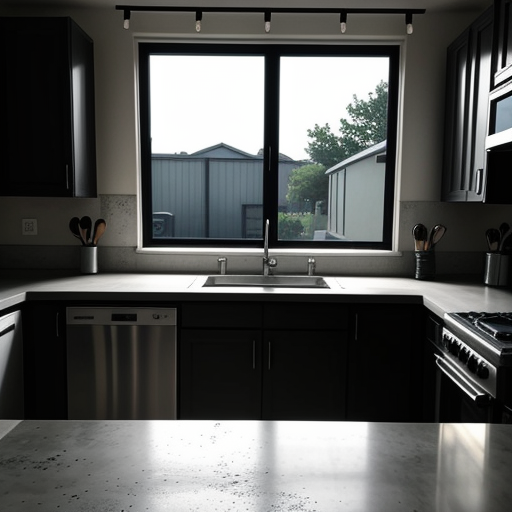
Flipping properties has become an increasingly popular investment strategy for those looking to capitalize on the real estate market. With the right approach, it is possible to purchase, renovate, and sell residential or commercial properties for a significant profit. This guide will delve into the essential steps and considerations involved in successfully flipping properties.
Understanding the Property Flipping Process The first step in flipping properties is to acquire a good understanding of the process. Generally, flipping involves purchasing undervalued properties, making necessary renovations, and then selling them for a profit. Many successful flippers have a clear strategy in place, often focusing on specific neighborhoods or property types.
Researching the Market Before committing to a property, it is crucial to conduct thorough market research. Analyze current trends, property values, and the market demand in potential areas. Pay attention to neighborhoods that are experiencing growth or rejuvenation, as these often present the best opportunities for profitable flips.
Finding the Right Property Identifying the right property to flip can significantly impact your profit margin. Look for properties that require cosmetic updates rather than major repairs. Foreclosures, auctions, and distressed properties can be good sources for undervalued homes. It's essential to evaluate each property's potential resale value, staying in line with your renovation budget and market expectations.
Creating a Detailed Budget Establishing a solid budget is vital for a successful flip. This should include not only the purchase price of the property but also estimated renovation costs, carrying costs (mortgage, insurance, taxes), and the expected selling costs. Having a comprehensive budget helps you remain financially disciplined and alert to potential overspending.
Planning Renovations Wisely When it comes to renovations, focus on improvements that will increase the property's value without breaking the bank. Prioritize updates that are most appealing to buyers, such as kitchen and bathroom remodels, curb appeal enhancements, and energy-efficient upgrades. It’s advisable to seek the guidance of local real estate agents or appraisers to determine which renovations will yield the highest return on investment.
Marketing and Selling the Property Once the renovations are complete, it’s time to put your flipping skills to the test in selling the property. Utilize professional photography, compelling property descriptions, and effective staging to attract potential buyers. Leverage multiple marketing channels, including social media, real estate listing websites, and open houses for maximum exposure.
Understanding the Risks Every investment comes with risks, and flipping properties is no exception. Be prepared for unexpected costs and delays, and consider the potential for market downturns during your project timeline. Having contingency plans and a solid financial cushion can mitigate these risks and help ensure your project's success.
Conclusion Flipping properties can indeed be a lucrative venture when approached with diligence and awareness. By understanding the flipping process and conducting thorough research, aspiring investors can navigate the property market skillfully. With the right strategy, budget management, and effective marketing, flipping properties can become a profitable endeavor.
Whether you are a seasoned investor or new to the real estate scene, remember that continuous learning and adaptation are key components of success in the property flipping business.