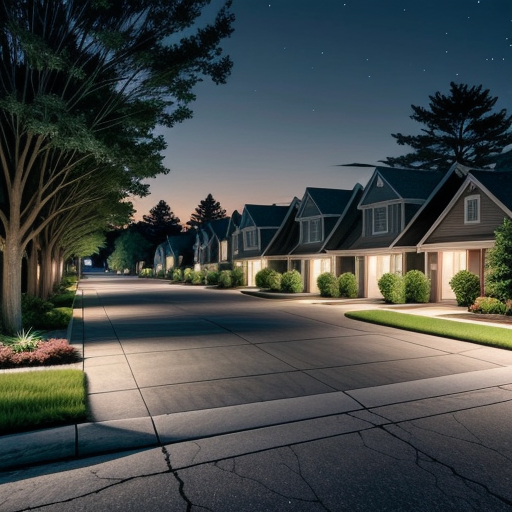
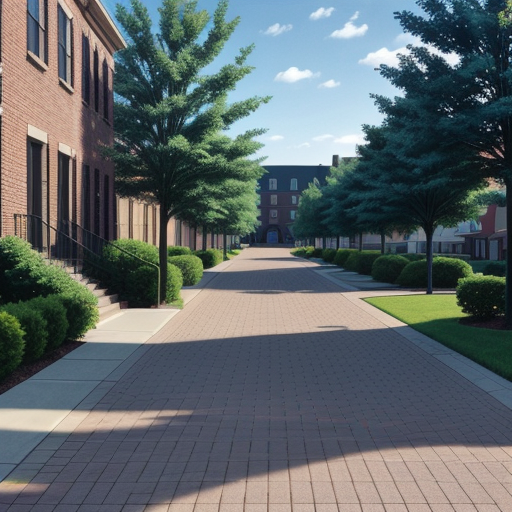
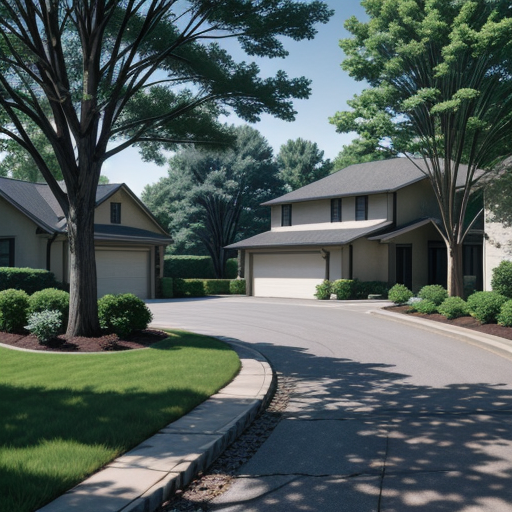
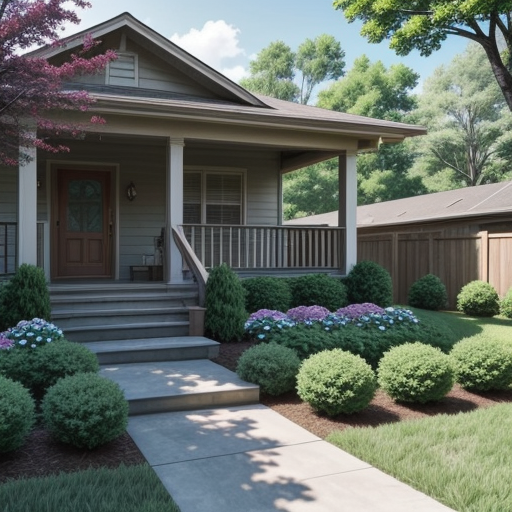
When it comes to real estate, the dynamics of home values are often affected by external factors. Among these, new developments stand out as a significant influence. These developments can manifest as residential complexes, commercial hubs, infrastructure improvements, or community projects. Understanding how these changes impact home values is crucial for buyers, sellers, and investors alike.
Firstly, new developments typically boost the appeal of an area. Consider a once quiet neighborhood that sees the addition of a shopping center or a park. Such amenities can make the area more attractive to potential buyers, creating higher demand for homes. As demand increases, home values tend to rise, making it a prime time for sellers to capitalize on this uptick.
In addition, developments can enhance infrastructure in a community. Improved roads, public transportation options, and increased safety measures can all contribute to a neighborhood's desirability. For instance, access to major highways or commuter rail lines can be a game-changer for homebuyers, leading to an increase in property values as these conveniences are valued highly by prospective residents.
However, it’s not all sunshine and rainbows. An influx of new development can sometimes lead to over-saturation in the market. If too many new homes are built in a short time frame, it may lead to a decline in home values, particularly if supply outstrips demand. This scenario can be financially damaging for current homeowners, especially if their property value decreases significantly.
Moreover, the nature of the development plays a crucial role in determining its impact. High-end luxury developments might not significantly affect the prices of existing homes in more modest neighborhoods. Conversely, affordable housing developments can help stabilize prices in lower-income areas but may also attract higher rents and property valuations, altering the demographic landscape.
Lastly, buyers should stay informed about local planning and zoning changes. Understanding the potential for future developments can provide insight into an area's growth trajectory and, consequently, its likely impact on home values. Engaging with local real estate agents who have their finger on the pulse of the market can be invaluable in navigating these changes.
In conclusion, new developments have a multifaceted impact on home values. They can elevate an area's desirability, enhance infrastructure, and lead to shifts in the local market dynamics. Buyers and sellers need to consider these factors when making real estate decisions to ensure they are making informed choices that align with their financial goals.