Flipping properties has become a popular venture for both aspiring and seasoned real estate investors. Understanding how to navigate the ins and outs of this business can lead to substantial profits. In this guide, we will explore effective strategies for flipping properties, from selecting the right home to timing your sale.
Understanding Property Flipping Property flipping involves buying a home at a lower price, renovating it, and then selling it for a higher cost, ideally in a short time frame. While this practice can be lucrative, it requires careful planning and execution.
Research the Market Before diving into property flipping, it is crucial to understand the local real estate market. Analyzing trends, understanding demand, and identifying neighborhoods that are on the rise can help you make informed decisions. Use online real estate tools and consult with professionals to gather data on properties that are currently selling and homes that have recently sold.
Setting a Budget Once you have pinpointed a promising area, the next step is to establish a budget. This includes not only the purchase price of the property but also renovation costs, closing fees, and other associated expenses. It is advisable to set aside a contingency fund for unexpected repairs that may arise during the renovation process.
Choosing the Right Property Selecting the right property is crucial for a successful flip. Look for homes that require cosmetic upgrades rather than structural repairs. Properties that have potential but are priced below market value, due to outdated designs or minor damage, are often ideal for flipping. Consider homes in desirable neighborhoods that appeal to potential buyers.
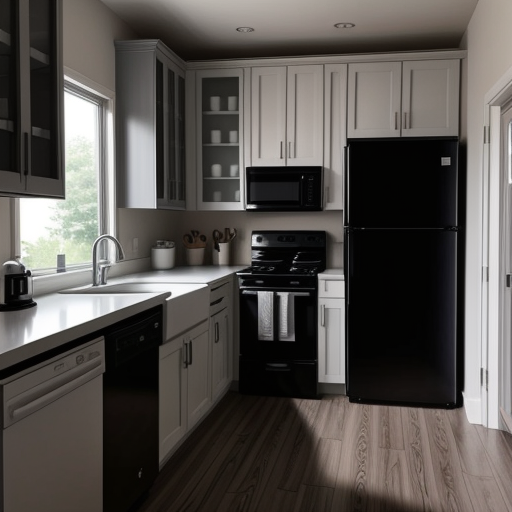
Renovation Strategies Keep renovations focused on high-return improvements. Kitchen and bathroom remodels are often the most impactful. Hiring reputable contractors is also essential to ensure quality work. However, if you're handy, you might consider handling some projects yourself to save on costs. Always prioritize improvements that enhance the property’s appeal without overspending.
Marketing and Selling the Property Once renovations are complete, effective marketing is key to a quick sale. High-quality photographs, engaging descriptions, and leveraging social media can attract potential buyers. Consider hiring a real estate agent who specializes in flips to assist with pricing and negotiations. Timing the market to sell during peak seasons can maximize your profit.
Understanding the Risks While flipping properties can be rewarding, it is not without its risks. The market can fluctuate, renovations may take longer than expected, or unforeseen issues may arise. It’s important to conduct thorough due diligence and not to rush into a purchase without adequate research.
Conclusion Flipping properties for profit takes dedication and a strategic approach. By conducting comprehensive market research, setting realistic budgets, choosing properties wisely, and executing effective renovations and marketing, you can increase your chances of success in this exciting field. Whether you’re a first-time flipper or a seasoned investor, following these guidelines will help you navigate the complexities of property flipping and achieve the profits you desire.