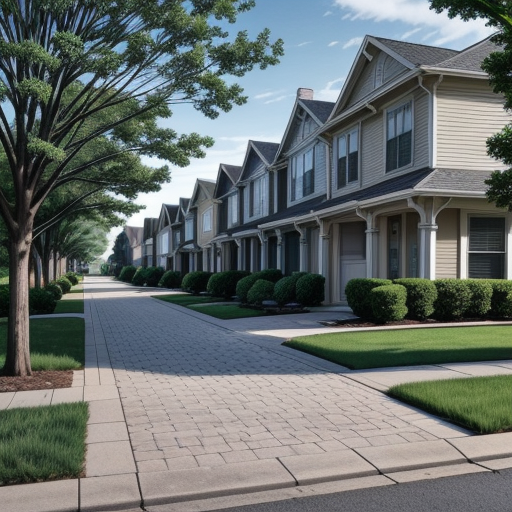
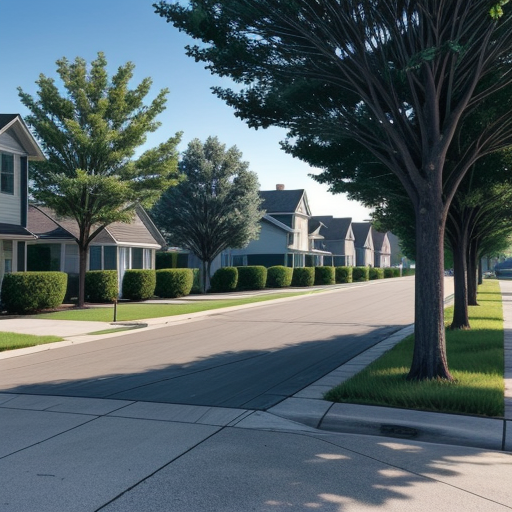
Vacation homes, often seen as a luxurious escape, carry a significant influence on the real estate dynamics of the areas in which they are located. Typically situated in desirable locales characterized by scenic sites or cultural allure, these properties can contribute substantially to the local real estate market's activity.
Firstly, the acquisition of vacation homes tends to drive demand, thereby increasing property values. This uplift can be particularly notable in regions where the supply of available homes is limited, creating an environment where prices are elevated even beyond the peak tourist season.
Secondly, vacation homes positively impact areas by bolstering economic activities; they attract tourism which in turn supports local businesses such as restaurants, shops, and entertainment venues. Real estate markets that thrive on tourism-driven demand often witness a ripple effect; jobs are created, and local economies flourish as a result.
However, the increase in vacation properties can lead to some challenges for local communities. Rising property values often mean rising taxes, which can become burdensome for permanent residents, potentially leading to displacement. Moreover, high demand for these properties can result in limited housing inventory for local buyers looking for primary residences, thus affecting affordability.
Investors and homeowners must understand the complex, multifaceted impact of vacation homes. When managed well, the presence of vacation homes can contribute to a balanced, prosperous local market. For real estate professionals, adapting strategies to cater to both investment buyers and local residents is vital to fostering sustainable growth.
In conclusion, while vacation homes undeniably inject vitality into local real estate markets, balancing the needs of transient and permanent populations is crucial for maintaining harmony and long-term economic health.