In today's environmentally conscious world, making your home more energy efficient is not just a trend; it's a smart choice that benefits both your wallet and the planet. Whether you are considering a new home or looking for ways to improve your current living space, implementing energy-efficient measures can significantly reduce utility bills, lower carbon footprints, and enhance comfort. Here’s an overview of some impactful strategies to consider.
Upgrade Your Insulation
One of the first steps to improving energy efficiency is to upgrade your home's insulation. Insulation helps maintain indoor temperatures by preventing heat loss in winter and keeping cool air inside during the summer. Common areas to upgrade include attics, basements, and even around windows and doors. Using energy-efficient insulation materials can further enhance these benefits.
Install Energy-Efficient Windows
Windows play a critical role in energy efficiency. Replacing single-pane windows with double or triple-pane options can drastically reduce heat transfer. Look for windows with a low U-factor and low solar heat gain coefficients. You can also enhance existing windows with storm windows or window films, which help to minimize energy loss.
Optimize Heating and Cooling Systems
Regular maintenance of HVAC systems can keep them running efficiently. This includes changing filters, sealing ducts, and scheduling annual check-ups. Consider upgrading to a programmable thermostat or even a smart thermostat that automatically adjusts temperatures based on your schedule, optimizing energy use.
Leverage Renewable Energy Sources
Installing solar panels is becoming increasingly popular among homeowners. Not only do they reduce your dependency on fossil fuels, but they also allow you to take advantage of tax credits and incentives. While the initial investment can be high, the long-term savings often outweigh the costs, providing a sustainable energy source for your home.
Invest in Energy-Efficient Appliances
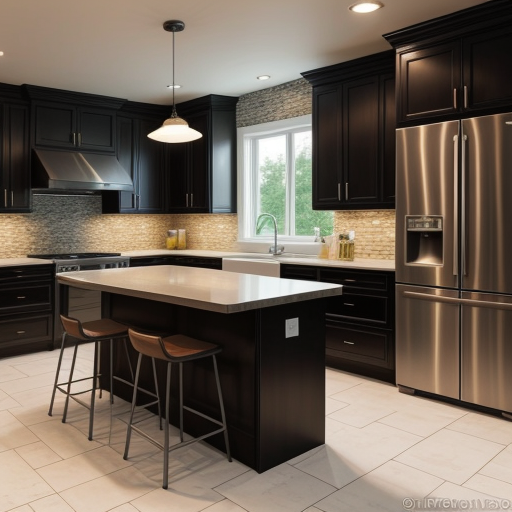
When it’s time to replace old appliances, choosing energy-efficient models can make a significant difference. Look for appliances that have the ENERGY STAR label, which indicates they meet energy efficiency guidelines set by the U.S. Environmental Protection Agency.
Be Mindful of Water Usage
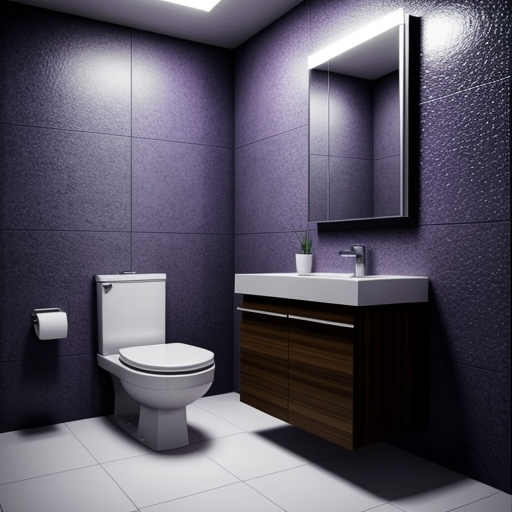
Energy efficiency also extends to water consumption. Installing low-flow faucets, showerheads, and toilets can decrease water usage and lower water heating costs. Ensuring your water heater is properly insulated and maintained can also enhance energy efficiency.
Utilize Smart Technology
Smart home technology can help monitor and reduce energy usage. From smart lights that turn off when no one is home to energy monitoring systems that provide insights into your consumption patterns, these innovative solutions can lead to substantial savings over time.
Seal Air Leaks
Finally, ensure that your home is sealed against drafts. Inspect areas around windows, doors, and outlets for any air leaks and seal them with weatherstripping or caulk. This simple step can make a dramatic difference in your home's energy efficiency, reducing heating and cooling costs.
Making your home more energy efficient involves several steps, each contributing to lower energy costs and a reduced carbon footprint. By investing in upgrades, maintaining systems, and leveraging technology, you can create a comfortable living environment while protecting our planet for future generations.