As energy costs rise and concerns about sustainability grow, homeowners are increasingly seeking ways to enhance the energy efficiency of their properties. Making your home more energy-efficient not only reduces utility bills but also contributes to a healthier environment. Here are several strategies that can help you achieve an energy-efficient home.
1. Upgrade Insulation
One of the primary methods to improve your home's energy efficiency is to ensure that it is well-insulated. Insulation helps to retain heat during winter and keep it out during summer, reducing the need for heating and cooling systems to work overtime. Focus on attic insulation, wall insulation, and even floors that are over unheated spaces.
2. Seal Windows and Doors
Drafty windows and doors can significantly impact your home’s energy efficiency. Check for gaps and cracks and use weather stripping or caulk to seal these leaks. Consider double or triple-pane windows as an investment; they provide better insulation than single-pane windows, keeping your heating and cooling costs lower.
3. Invest in Energy-Efficient Appliances
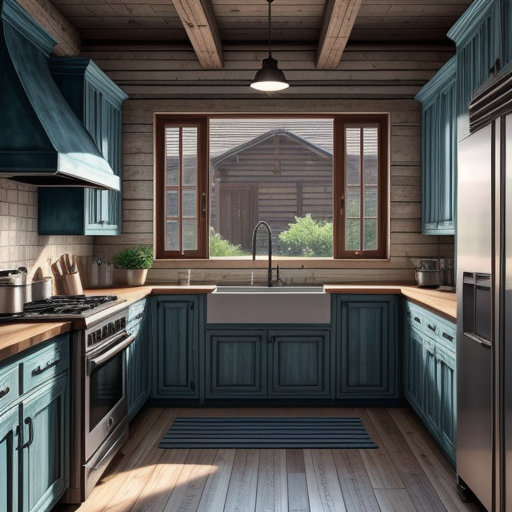
When it’s time to replace old appliances, choose Energy Star-rated products. These appliances use less energy and can lead to substantial savings on your utility bills over time. Look for energy-efficient models for refrigerators, washing machines, and HVAC systems.
4. Optimize Heating and Cooling Systems
Regular maintenance of your heating and cooling systems is crucial for energy efficiency. Change air filters regularly, and have your HVAC system serviced annually to ensure it’s operating efficiently. Programmable thermostats can also help manage your home’s temperature, lowering energy consumption when you are not home.
5. Utilize Solar Energy
If feasible, consider installing solar panels to harness renewable energy. Solar power can significantly reduce your electricity bills and even allow you to sell excess energy back to the grid. Additionally, many states offer tax credits and rebates to offset the initial installation costs.
6. Implement Smart Home Technology
Smart home devices, such as smart thermostats and smart lighting systems, can help you monitor and control your home’s energy usage conveniently. These technologies optimize energy consumption based on your daily routines, thus ensuring that you’re not wasting energy.
7. Consider Energy-Efficient Landscaping
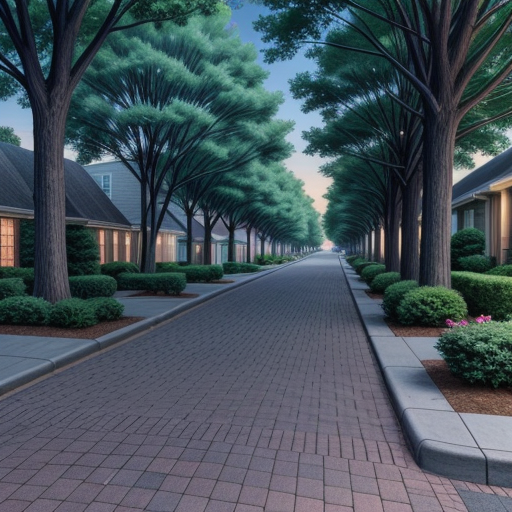
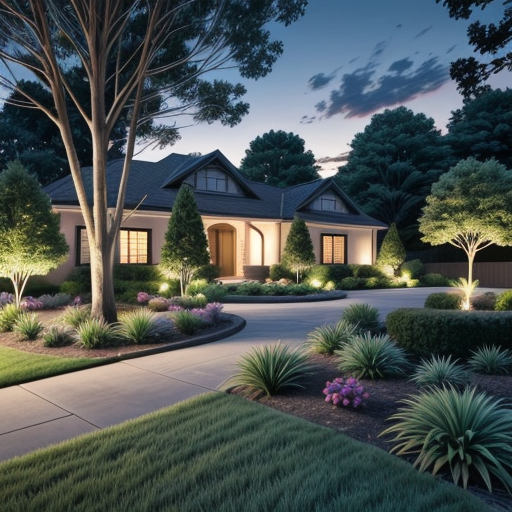
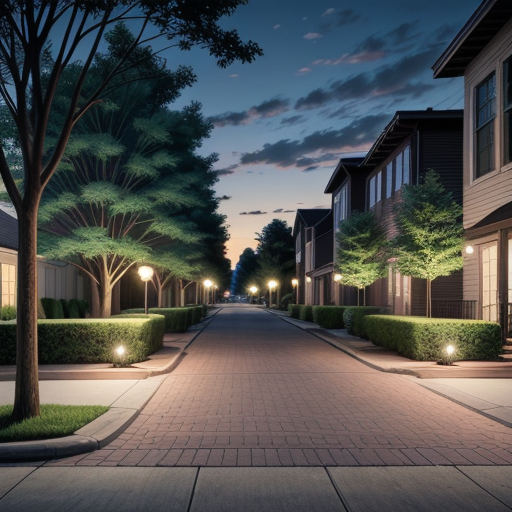
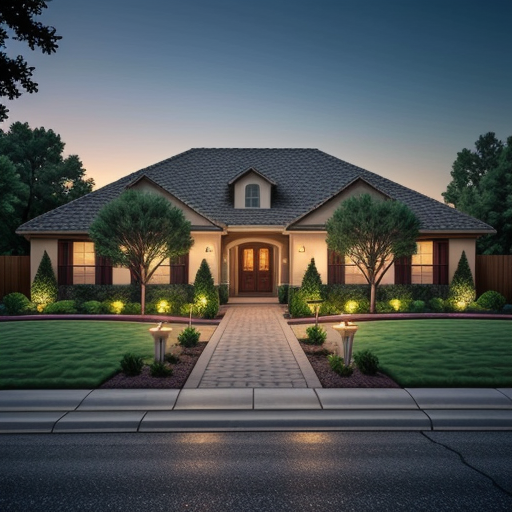
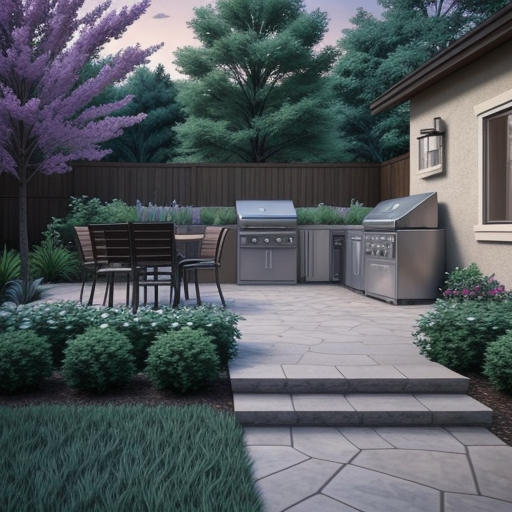
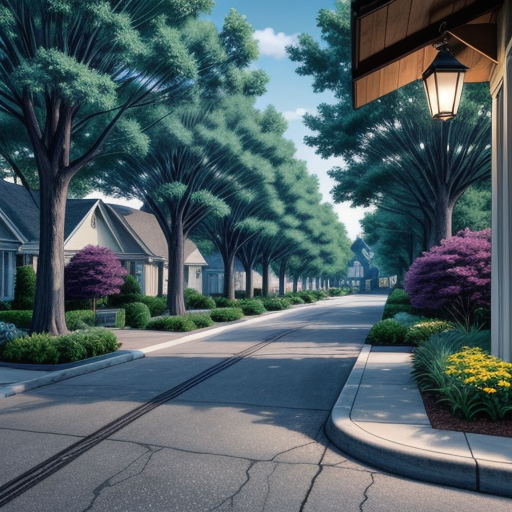
Landscaping can play a significant role in your home’s energy efficiency. Strategically planting trees and shrubs can provide shade, reducing the need for air conditioning in the summer. Additionally, consider native or drought-resistant plants that require less water and maintenance.
In conclusion, making your home more energy-efficient involves a combination of insulation improvements, appliance upgrades, and the integration of smart technology. Not only will these changes benefit the environment, but they will also enhance your quality of life by creating a comfortable living space. By implementing these strategies, you can help ensure that your home is not only energy-efficient but also a great investment in the long run.