Owning a vacation home is a dream come true for many, offering a refuge from regular life and a getaway for family and friends. However, protecting this investment requires understanding the nuances of vacation home insurance, which can differ significantly from traditional homeowner's insurance.
One key difference in vacation home insurance is the level of risk involved. Since vacation homes are usually unoccupied for extended periods, they might be more susceptible to damages from theft, vandalism, or unnoticed maintenance issues. Thus, insurers tend to evaluate these properties with a different lens, which can affect premiums and coverage levels.
Another important factor to consider is how you use your vacation home. If you plan on renting it out, even if only occasionally, your insurance needs might change. Standard policies may not cover damages or liabilities that arise from renting, necessitating a different type of insurance or add-on coverage.
It’s also advisable for vacation home owners to consider additional coverage options such as liability insurance, which can provide protection if someone is injured on your property, and contents insurance to safeguard personal property within the home.
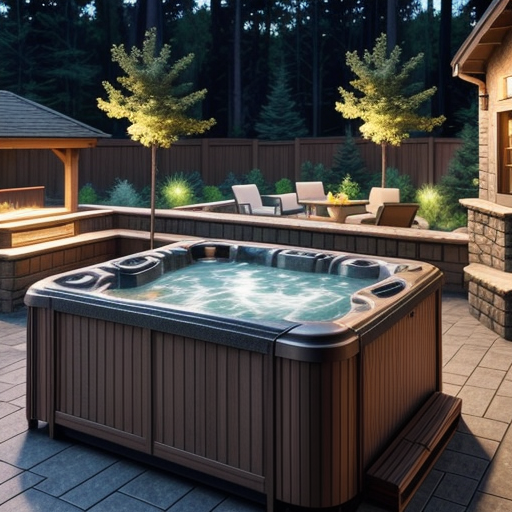
To ensure comprehensive coverage, declare any unique features of the property, like a hot tub or pool, which could escalate liability risks. Detailed documentation and up-to-date appraisals for high-value contents can also be crucial when filing a claim.
Ultimately, securing the right insurance for your vacation property entails assessing potential risks, understanding the terms of coverage, and tailoring a policy that aligns with both your usage and aspirations for the property. An in-depth discussion with an insurance broker specializing in vacation homes can provide tailored advice and peace of mind.