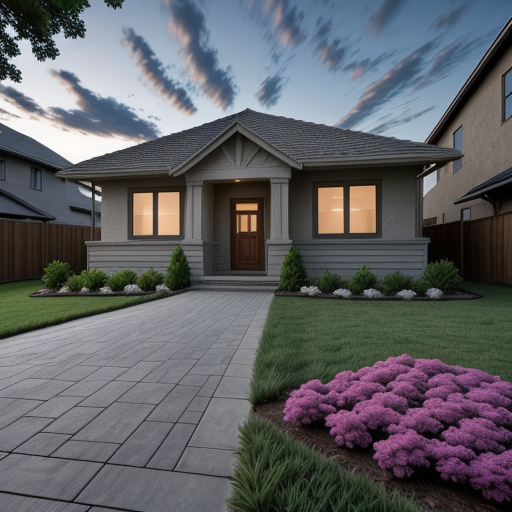
Purchasing a second home is an exciting venture filled with opportunities for relaxation, investment, and personal enjoyment. However, choosing the right location for this second property requires careful consideration and strategic planning. Below are essential factors to keep in mind as you embark on this journey.
1. Define Your Purpose
Before deciding on a location, clarify the primary purpose of your second home. Is it intended for personal leisure, or is it an investment aimed at generating rental income? Understanding your purpose will guide your choice of location and influence key factors such as proximity to amenities, tourist attractions, and potential rental demand.
2. Assess Proximity to Your Primary Residence
Consider how often you plan to visit your second home. If regular weekend visits are desired, a location closer to your primary residence might be more practical. A shorter travel distance can not only save time but also reduce travel-related expenses.
3. Evaluate Accessibility and Infrastructure
Ensure the location is easily accessible via major highways, airports, or public transportation. A well-connected area is more attractive not only for your personal convenience but also for prospective renters, making the investment aspect of your property more viable.
4. Analyze the Market Trends
Research local real estate market trends to understand the appreciation potential of properties in the area. Engage with local real estate agents who can provide insights into property values and projected growth. An area with a stable or growing market is an ideal choice.
5. Consider Lifestyle and Amenities
A second home should complement your lifestyle and offer conveniences or attractions that align with your interests. Look for areas with desirable amenities, such as beaches, skiing resorts, golf courses, or vibrant cultural scenes. The more the location resonates with your personal lifestyle, the more you'll enjoy your time there.
6. Evaluate Weather and Seasonal Conditions
The climate and weather patterns of a region can significantly impact your decision. Whether you prefer a sunny beach or a snowy mountain, make sure the seasonal conditions suit your preferences. Keep in mind that extreme weather can also affect property accessibility and maintenance costs.
7. Check Local Taxes and Regulations
Familiarize yourself with the property taxes, insurance requirements, and rental regulations in the area. These factors can influence the overall cost of ownership and potential rental income. Consulting with a local legal expert might be beneficial in understanding these aspects fully.
8. Safety and Community
Lastly, evaluate the safety and security of the area. A safe neighborhood with a welcoming community enhances your living experience and increases the desirability of your property. Check crime rates and speak to locals to get a feel for the community vibe.
Deciding on the perfect location for your second home involves weighing multiple factors to ensure it meets your needs and goals. With thoughtful consideration and informed decision-making, you will be well on your way to finding a second home that not only serves as a retreat but also a smart investment.