Flipping properties can be a lucrative venture for real estate investors looking to increase their income. However, it requires careful planning, research, and execution to ensure you maximize your profits. This guide will walk you through the essential steps to successfully flip properties.
Understanding the Property Flipping Process To start flipping homes, it's critical to understand the process thoroughly. Flipping typically involves purchasing a property, renovating it, and reselling it at a higher price within a relatively short timeframe. Successful flippers know their market and the types of properties that can yield the best returns.
Market Research is Key Before making your first flip, conduct extensive market research. Investigate neighborhoods with growth potential, property values, and the demand for specific types of homes. Consider working with a real estate agent who specializes in investment properties; they can provide invaluable insights and help you identify promising opportunities.
Financing Your Flip Proper financing is crucial in the flipping process. You can explore several financing options, including traditional mortgages, hard money loans, or using cash. Each option has its pros and cons, but the goal is to acquire the property without straining your finances. Ensure you have a budget in place to cover not just the purchase but also renovation costs.
Choosing the Right Property Identifying the right property to flip is perhaps the most important step. Look for distressed properties, those that require significant repairs, or homes in desirable locations that may just need cosmetic upgrades. Properties with good bones but outdated interiors can often be transformed quickly for a substantial profit.
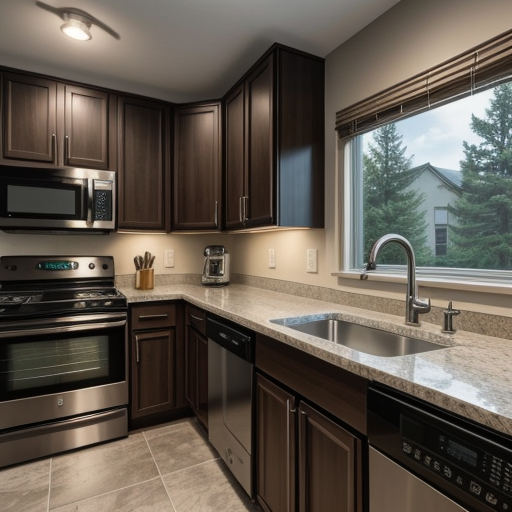
Renovation Planning and Execution Once you've secured a property, it's time for the renovation phase. Create a detailed renovation plan that prioritizes high-impact changes, like updating kitchens and bathrooms, enhancing curb appeal, and addressing any structural issues. Always keep your target market in mind—what features will attract potential buyers? Having a clear vision will help you stay on track and within budget.
Setting the Right Price Pricing your flipped property correctly can make or break your profit margin. Research comparable properties in the area to set a competitive price point that reflects both the renovations you’ve made and the current market conditions. Remember, overpricing can lead to prolonged sales periods, while underpricing may leave money on the table.
Marketing Your Property To ensure a quick sale, invest time in effective marketing strategies. High-quality photographs and engaging descriptions can attract potential buyers. Leverage social media platforms, online listings, and local real estate channels to showcase your property.
Closing the Deal Once you find a buyer, work closely with your real estate agent to navigate the closing process. Ensure that all necessary inspections and appraisals are completed smoothly, and prepare for negotiations. With the right strategy, you can close on a property quickly and move on to your next flipping project.
Final Thoughts Flipping properties can be a rewarding adventure, yielding great profits if approached correctly. With thorough market research, strategic renovations, and effective sales tactics, real estate investors can achieve successful flips. Prepare, execute, and adapt to the ever-changing market conditions, and you’ll be well on your way to becoming a seasoned property flipper.