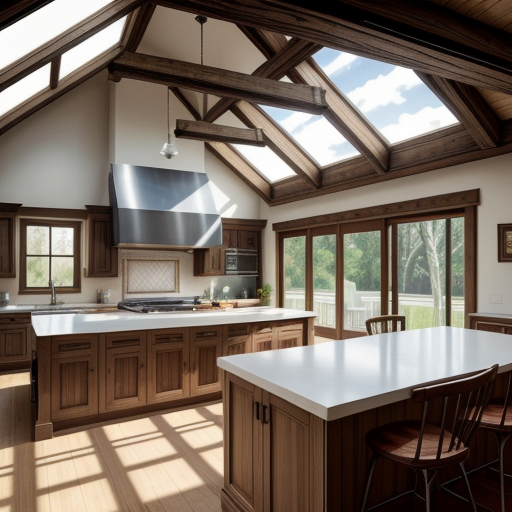
Investing in fixer-upper properties can be an enticing opportunity for those looking to enter or expand in the real estate market. These properties, often priced lower than move-in-ready homes, present the chance for buyers to potentially reap substantial financial rewards after renovations. However, before jumping into a fixer-upper investment, it's crucial to perform a comprehensive cost analysis and assess the potential returns.
The initial purchase cost of a fixer-upper is generally lower compared to comparable homes in the area that are ready to occupy. This lower entry price is a significant draw for budget-conscious buyers or those looking to maximize their investment potential. However, it's essential to remember that these savings come with added responsibilities. Renovations can be costly and time-consuming, and unexpected issues often arise during the process.
To effectively evaluate the financial implications, begin with a detailed inspection of the property to identify visible and hidden defects. Estimate the renovation costs by consulting with contractors, gathering quotes, and creating a budget that includes materials, labor, permits, and a contingency fund for unexpected expenses. It’s also prudent to consider the cost of financing if borrowing is necessary for the purchase or renovation.
Beyond repair costs, consider the potential increase in property value post-renovation. Research comparable properties in the neighborhood to determine the post-renovation market value. This will help you gauge the potential return on investment (ROI). Additionally, it's important to factor in the local real estate market's health, including supply and demand dynamics, as this will influence the property's final value and sales timeline.
Investing in fixer-uppers can lead to significant financial gains, but it's not without its risks. Thorough research and planning are key to turning a fixer-upper into a profitable venture. Successful investors are those who have a clear understanding of the project scope, budget accurately, and enlist the right expertise to transform a dilapidated property into a desirable home.