When considering a home purchase, one essential aspect to think about is its resale value. Whether you plan to live in the property for only a few years or intend to pass it on to future generations, understanding a home’s potential on the resale market is crucial. Here's a guide to help you evaluate this key factor effectively.
Location, Location, Location
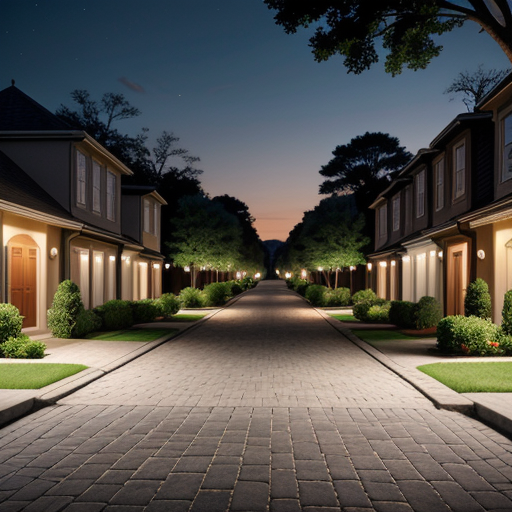
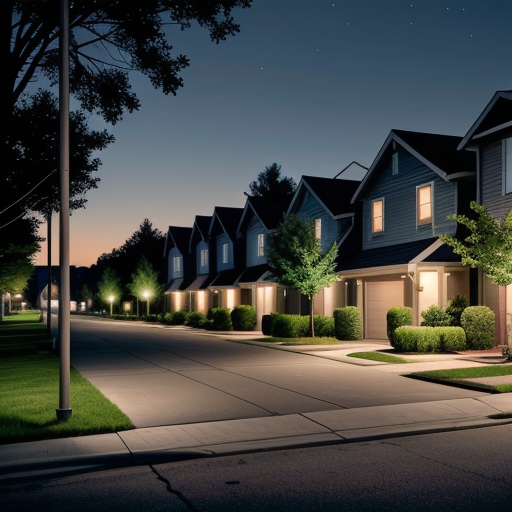
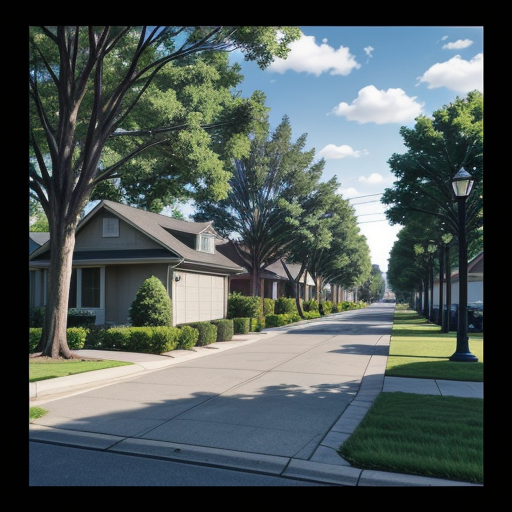
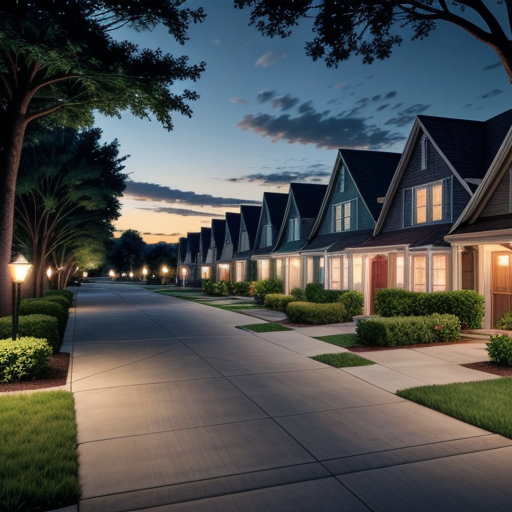
One of the most significant determinants of a home's resale value is its location. Homes in desirable neighborhoods with access to excellent schools, public transportation, and amenities like shopping centers, parks, and restaurants tend to retain or even increase in value. Evaluate the neighborhood's potential for growth by researching any upcoming developments or improvements in the area, as these are indicators of rising property values.
Market Trends and Economic Conditions
Stay informed about current real estate market trends and broader economic conditions. A robust economy and strong local job market can enhance property values. Reviewing housing market cycles and understanding whether you're buying in a seller’s or buyer’s market will be beneficial. Keep an eye on mortgage interest rates, as these also have a long-term impact on real estate values.
Property Features and Curb Appeal
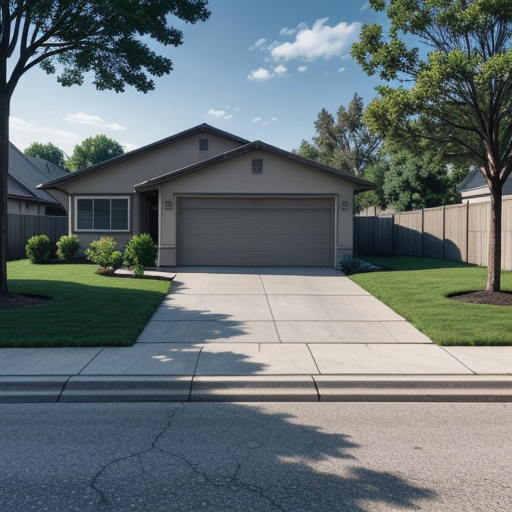
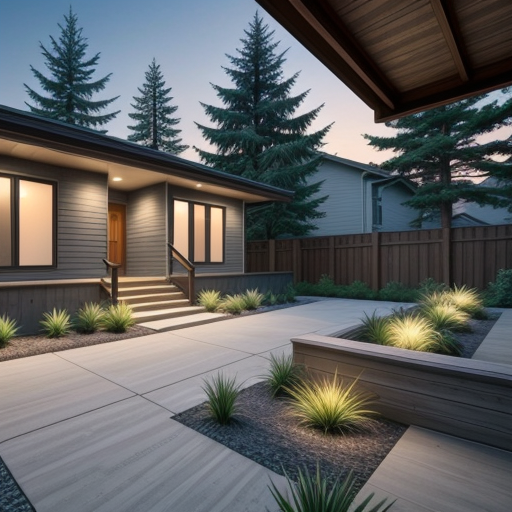
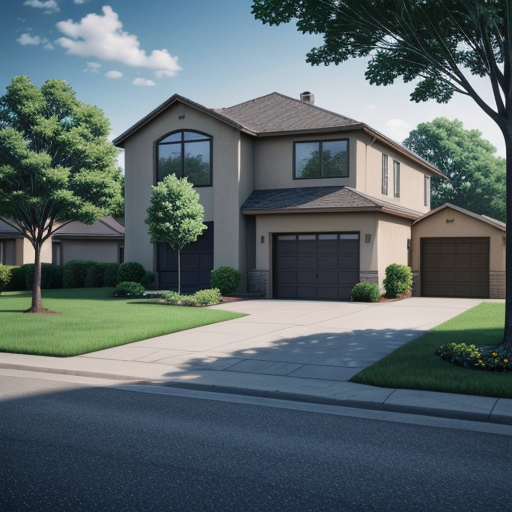
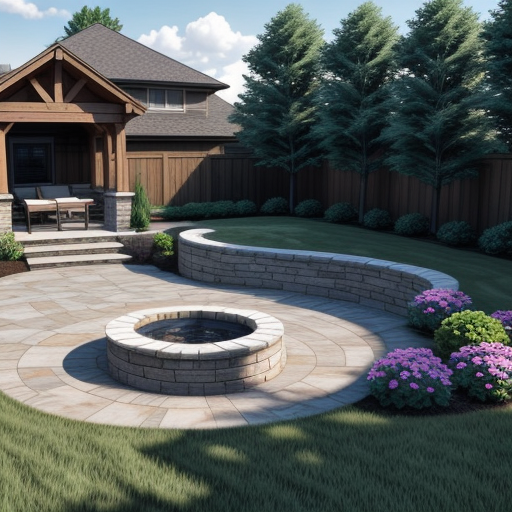
The physical characteristics of the property itself play an influential role in its resale value. Homes with unique features or those that offer flexibility in use, such as extra space for an office, are appealing. Invest in properties that have been well-maintained and have visually appealing landscaping and exterior design, as these are often top selling factors.
Quality of Construction and Age of the Home
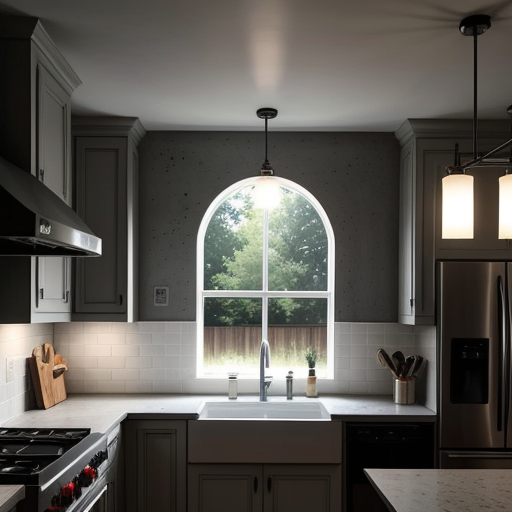
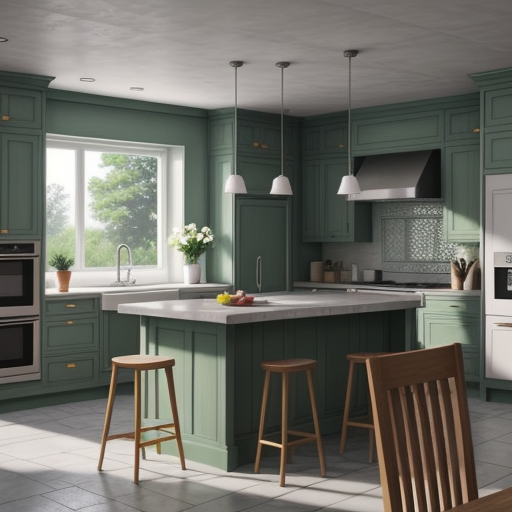
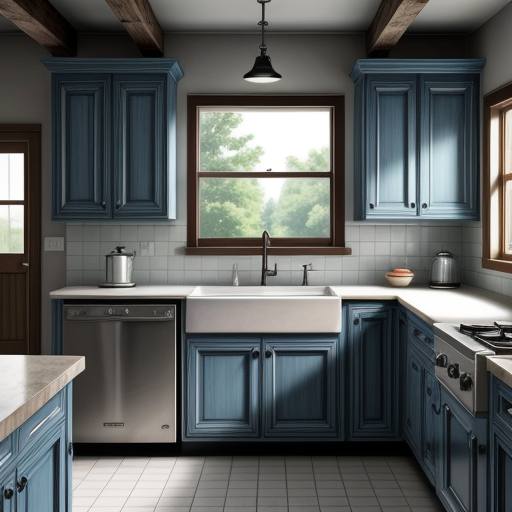
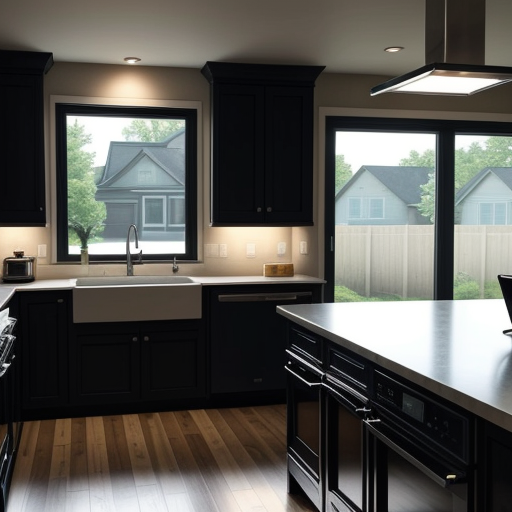
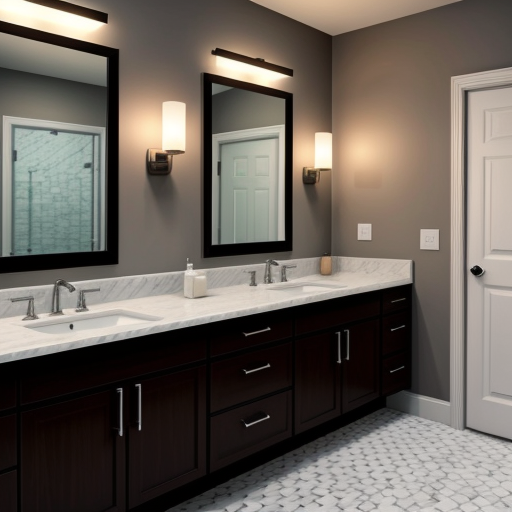
Evaluate the quality of the construction and the age of the home. Newer homes or those that have been recently renovated typically offer modern design and efficiency, which can be attractive to future buyers. Inspect the structural integrity of the house to judge its soundness; a well-built home can demand a higher resale price.
Comparable Sales and Property Appreciation
Investigate the history of property sales in the area to understand appreciation trends. Look at comparable recently sold homes to gauge where the market is going. Pay attention to the price per square foot and analyze any price fluctuations to get a sense of a house’s financial potential.
Zoning and Future Development
Consider the zoning laws that apply to the home, as these can influence its future value. Properties located near planned development projects such as transit lines, new businesses, or recreational facilities often appreciate over time. This potential for growth is attractive to investors and buyers.
By taking these factors into account, you can make a more informed decision when purchasing a home, ensuring it is not only a comfortable living space but also a sound investment for your future.