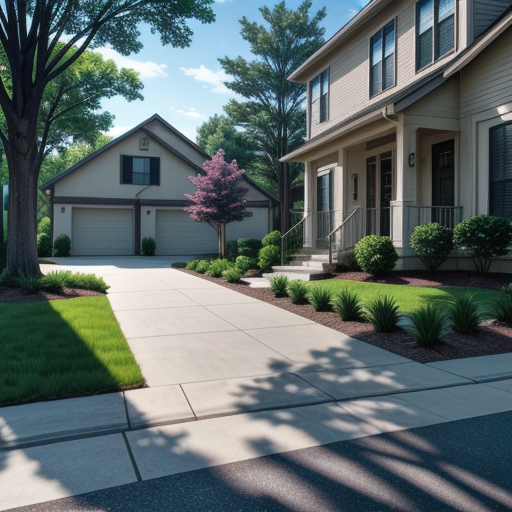
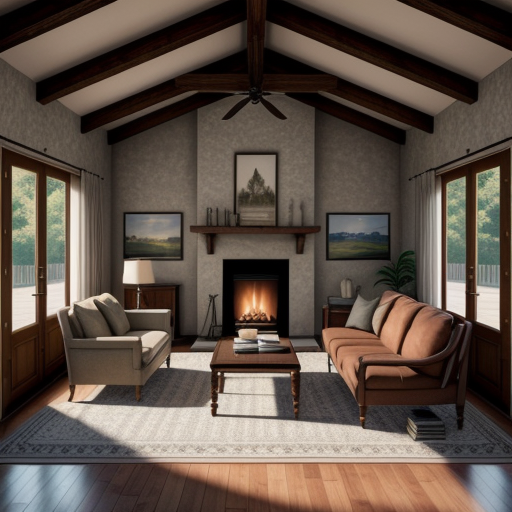
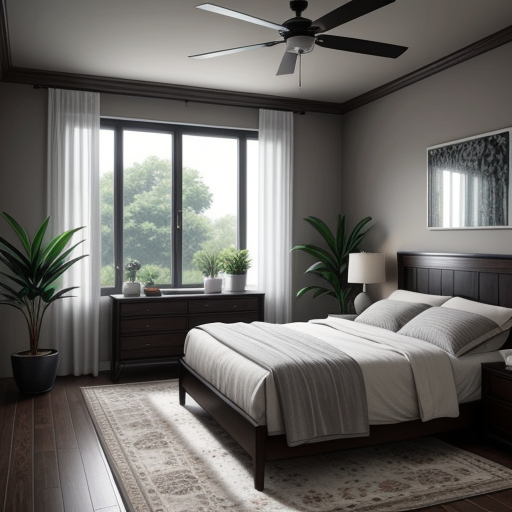
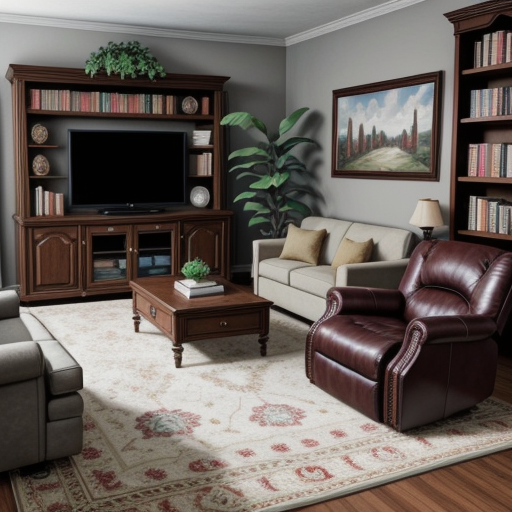
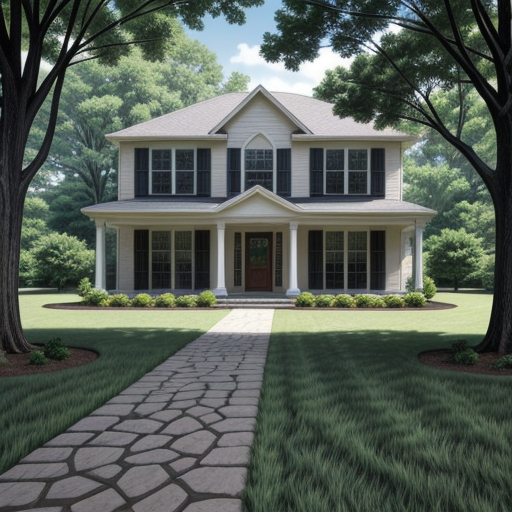
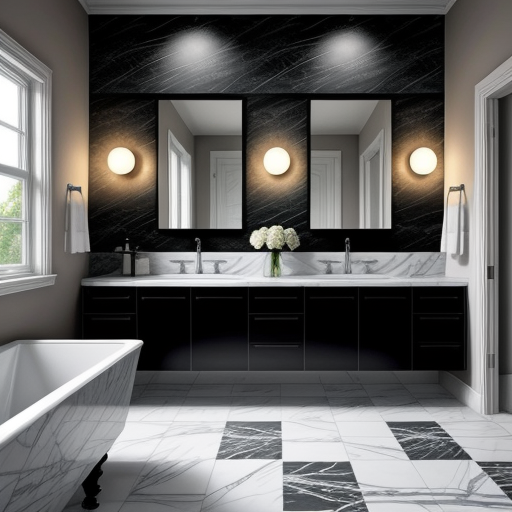
In the ever-evolving world of home design, staying updated with the latest trends is essential for both homeowners and real estate professionals. As we move deeper into 2023, several key themes have emerged, reflecting shifts in consumer preferences, environmental consciousness, and technological advancements. This article explores the most significant trends shaping modern home design.
Sustainability and Eco-Friendly Choices
One of the most prominent trends in home design is the focus on sustainability. Homebuyers today are increasingly interested in eco-friendly materials and energy-efficient appliances. Features like solar panels, green roofs, and sustainable building materials are becoming standard rather than optional. This shift not only benefits the environment but can also lead to lower utility bills, making it an attractive option for many homeowners.
Open Floor Plans
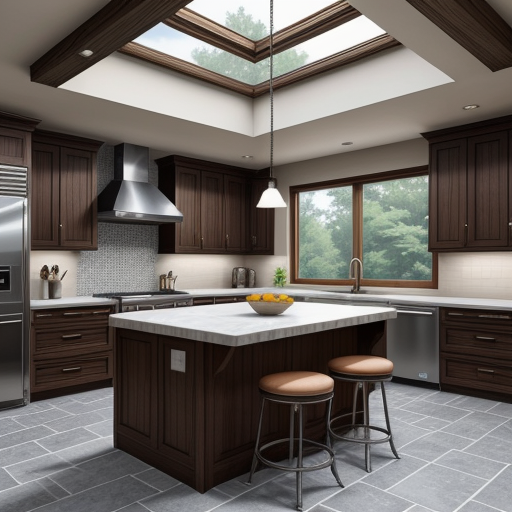
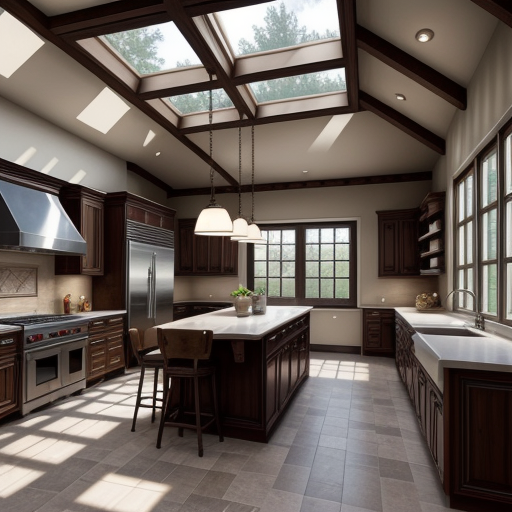
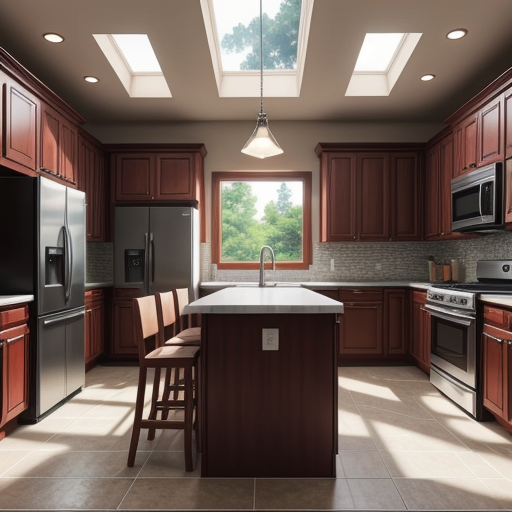
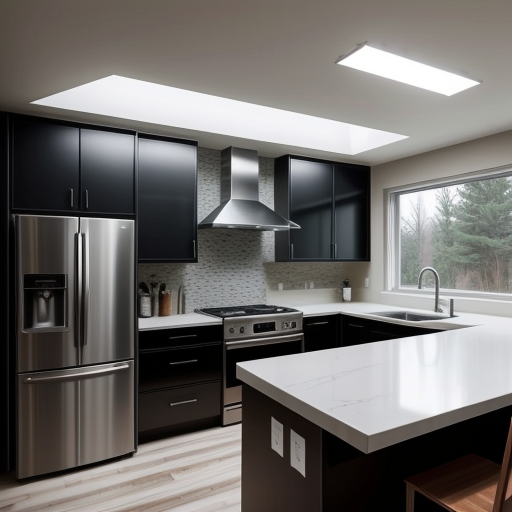
The open floor plan remains a popular choice among new home designs. This layout fosters a sense of community by seamlessly connecting living spaces, such as the kitchen, dining area, and living room. It allows for better natural light circulation and creates a more spacious feel, which is particularly desirable in smaller homes. As families seek to spend more time together and entertain guests, the open floor plan continues to be a favored choice.
Smart Home Technology
Smart home technology is revolutionizing how we interact with our living spaces. From smart thermostats to security systems that can be monitored via smartphone apps, technology integration is a growing trend. Homebuyers are showing interest in properties equipped with these innovative capabilities, viewing them as conveniences that enhance their quality of life. This trend is not just about convenience; it also encompasses energy management and security, adding layers of efficiency and safety to homes.
Biophilic Design
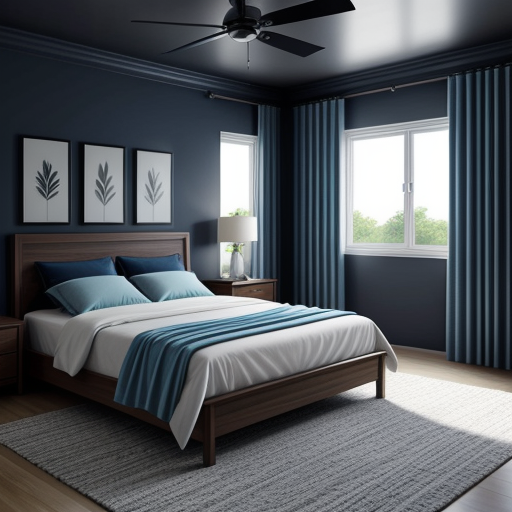
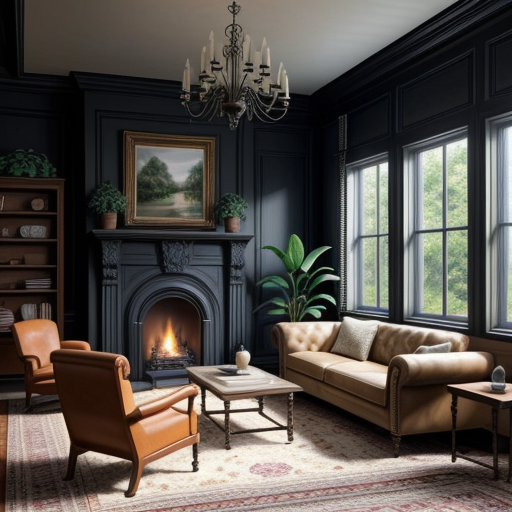
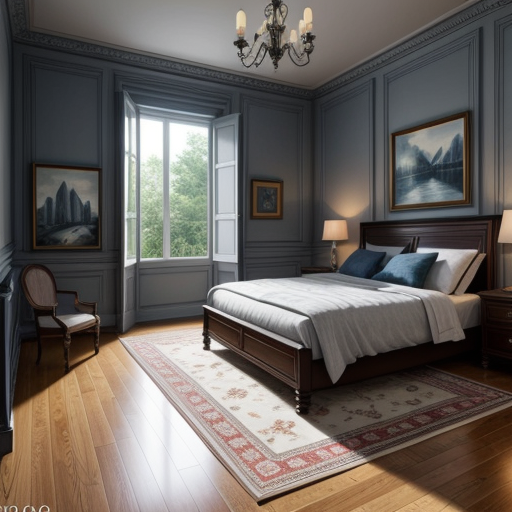
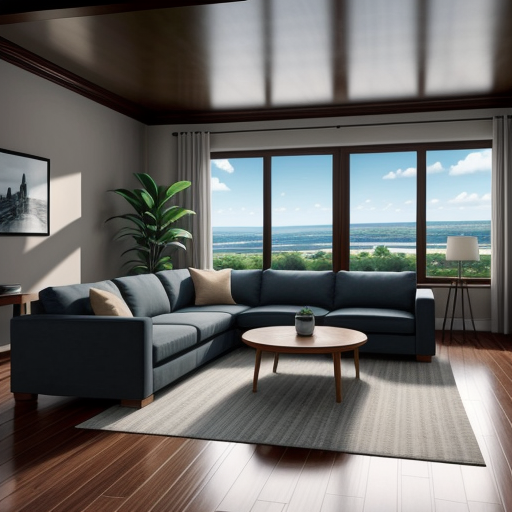
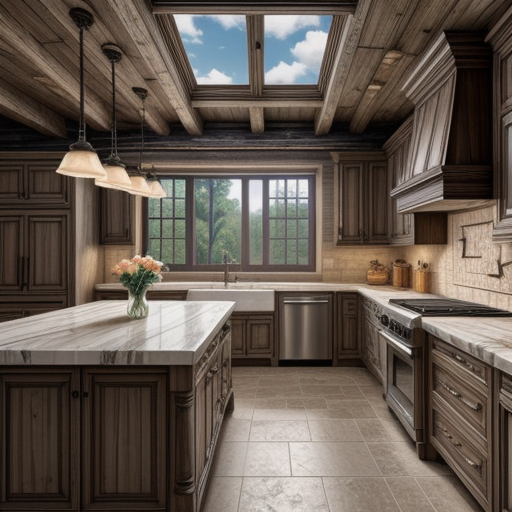
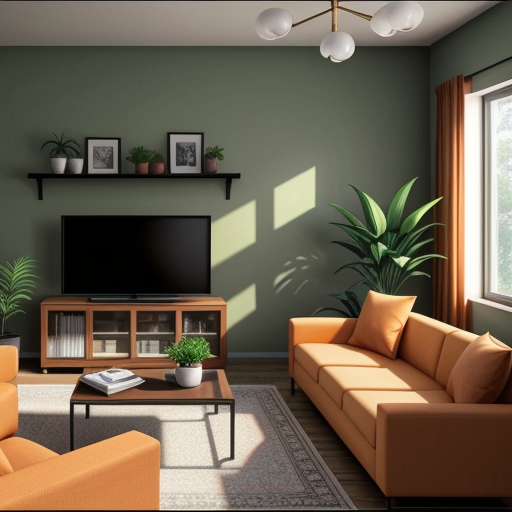
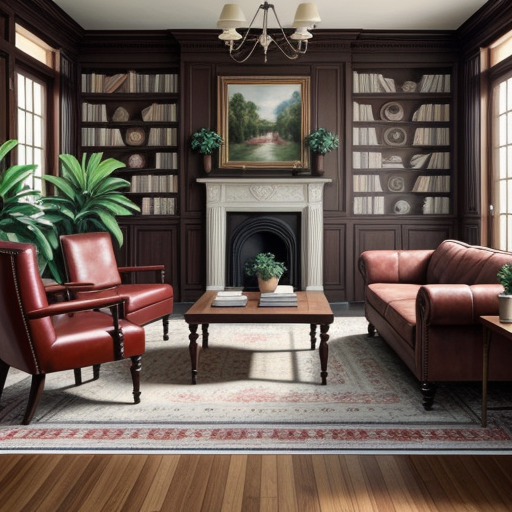
Biophilic design emphasizes the connection between humans and nature. This design philosophy encourages the incorporation of natural elements into home interiors, such as indoor plants, natural lighting, and organic materials. Homes featuring large windows that invite natural light and views of outdoor landscapes are increasingly in demand. This trend not only improves the aesthetic appeal of a home but also promotes overall well-being by creating calming and restorative environments.
Multi-Functional Spaces
As remote work and hybrid schedules continue to rise, the need for multi-functional spaces has become a necessity in modern home design. Homeowners are looking for areas that can easily transition from workspaces to leisure areas. Design elements such as foldable walls, Murphy beds, and convertible furniture are being integrated to create flexible environments that cater to various activities, especially in smaller homes.
Conclusion
In conclusion, modern home design is being shaped by sustainability, technology, and a desire for functionality. As you search for a new home or consider renovations, keep these trends in mind to ensure that your living space is not only stylish but also in line with current preferences and standards. Adapting to these changing trends can enhance not just your living experience but also potentially impact your property value positively. For those in real estate, understanding these trends is essential to effectively guide clients in their home buying journey.