Purchasing a fixer-upper can be an enticing option for many homebuyers, especially those looking to customize a home or invest in a property with potential for appreciation. However, buying a home that needs significant repairs is not without its challenges. Understanding the advantages and disadvantages can help you make an informed decision.
Advantages of Buying a Fixer-Upper
1. Lower Purchase Price: One of the most attractive benefits of buying a fixer-upper is the lower initial cost. These homes are often priced below market value compared to their move-in-ready counterparts, allowing you to enter a desirable neighborhood or a better location that might otherwise be out of reach.
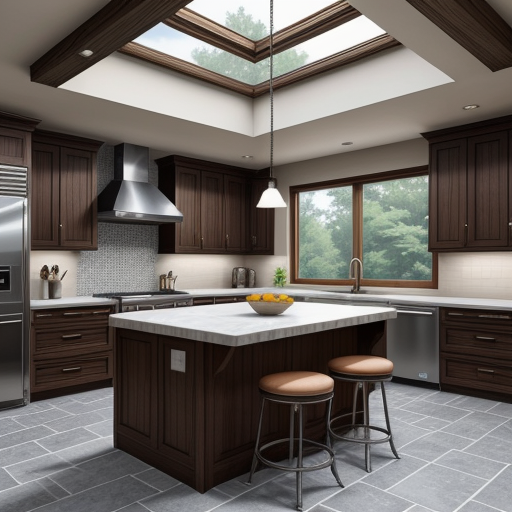
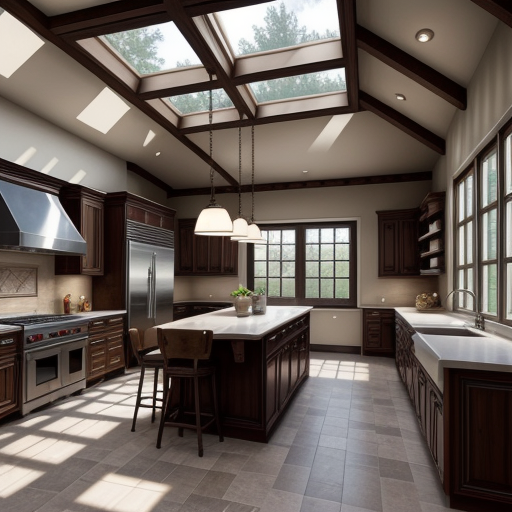
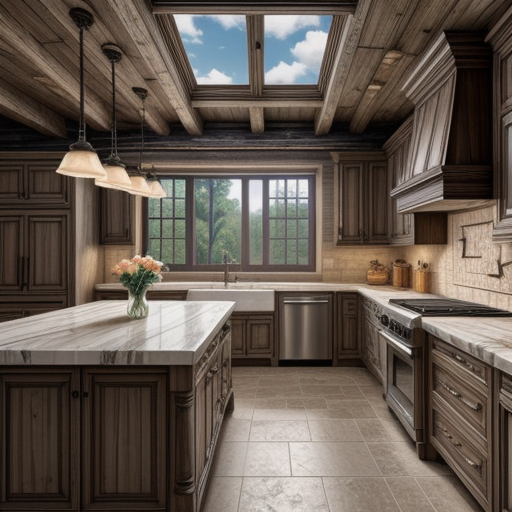
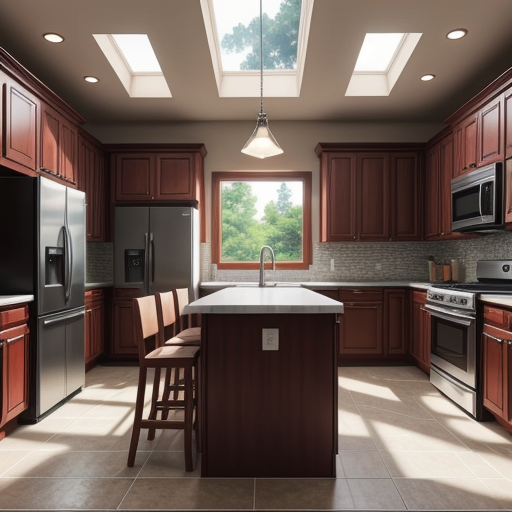
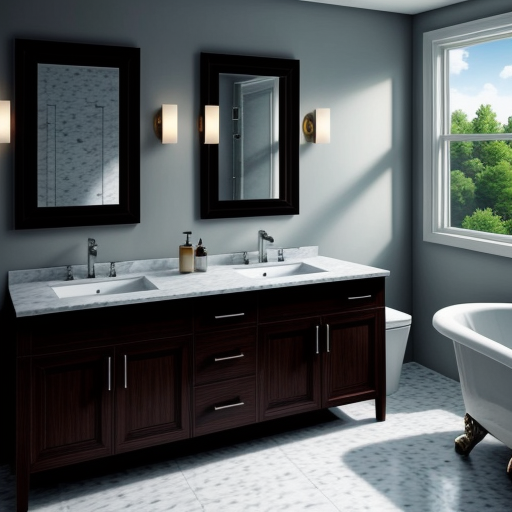
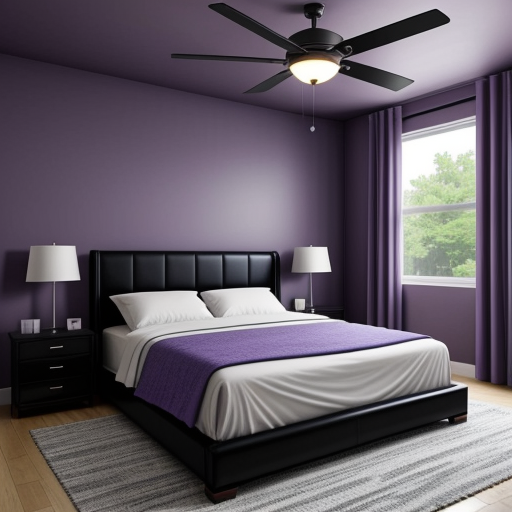
2. Customization Opportunities: Purchasing a fixer-upper gives you the freedom to personalize the property to your taste. From the kitchen layout to the bathroom tiling, you can design interiors according to your style preferences and functionality needs.
3. Potential for Increased Equity: By investing in renovations and improvements, you could substantially increase the value of the property. This sweat equity can result in a significant return on investment when it's time to sell.
4. Less Competition: Typically, there is less competition for fixer-upper homes, which can give you more negotiating power and reduce the chances of a bidding war.
Disadvantages of Buying a Fixer-Upper
1. Unexpected Costs: While these homes are cheaper upfront, the costs of renovation often add up quickly. Unexpected repairs due to hidden damages or the requirement to meet specific building codes can drive up expenses significantly.
2. Time-Consuming: Renovating a fixer-upper takes time, from planning and permitting to the actual construction work. This can disrupt your life considerably if you plan on living in the home during renovations.
3. Financing Challenges: Securing a mortgage for a fixer-upper can be more complicated than for a move-in-ready home. Some lenders may be hesitant to finance major renovations or might require additional paperwork, like a detailed renovation plan.
4. Stress and Effort: Managing a home renovation can be stressful, particularly if you're new to the process. The need to hire and coordinate with contractors, stay within budget, and make myriad design decisions can be overwhelming.
In conclusion, while buying a fixer-upper can be an excellent opportunity for the right buyer, it requires careful consideration of individual circumstances, budgets, and the willingness to invest time and effort. Evaluating the pros and cons can help determine whether this route to homeownership aligns with your goals and abilities.