In today's world, improving energy efficiency in your home isn't just about sustainable living—it's also about significant cost savings and enhancing comfort levels. With global attention focused on reducing carbon footprints, homeowners have become increasingly interested in optimizing their homes' energy performance. This guide explores various strategies to enhance energy efficiency, which can result in financial savings and a reduced environmental impact.
Firstly, conduct an energy audit of your home. This assessment provides an effective understanding of where energy is being wasted and what improvements are necessary. Consider hiring a professional auditor or using a DIY kit to identify leaky windows, ductwork, or areas that could benefit from additional insulation.
Next, focus on enhancing insulation and sealing. Proper insulation in areas like the attic, walls, floors, and basements is pivotal in maintaining indoor temperatures. Additionally, sealing gaps and cracks around windows, doors, and piping can significantly reduce heat loss in winter and cool air escaping during summer.
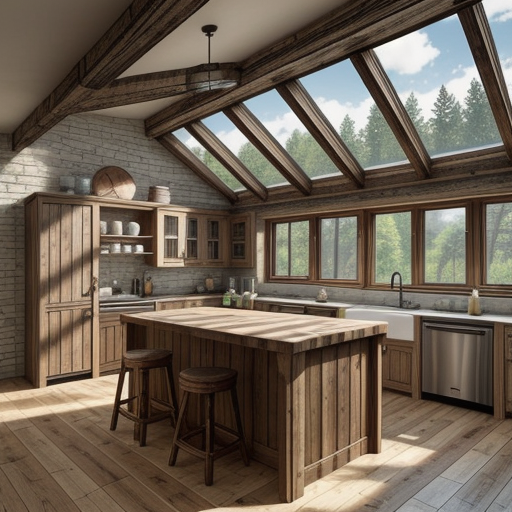
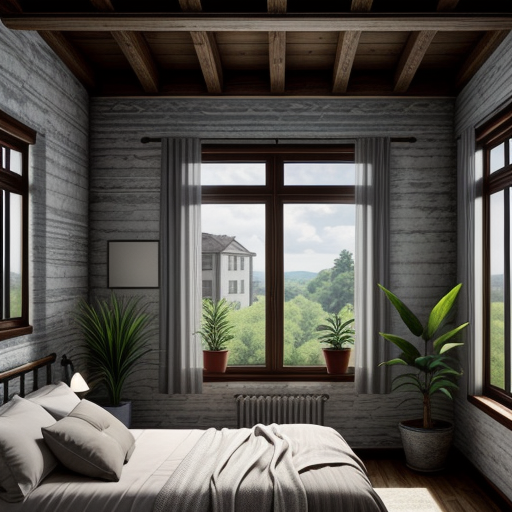
Install energy-efficient windows or apply storm windows to existing ones to improve energy conservation. Double glazed windows with low-emissivity coatings can drastically reduce energy bills by keeping heat out in the summer and retaining warmth in the winter.
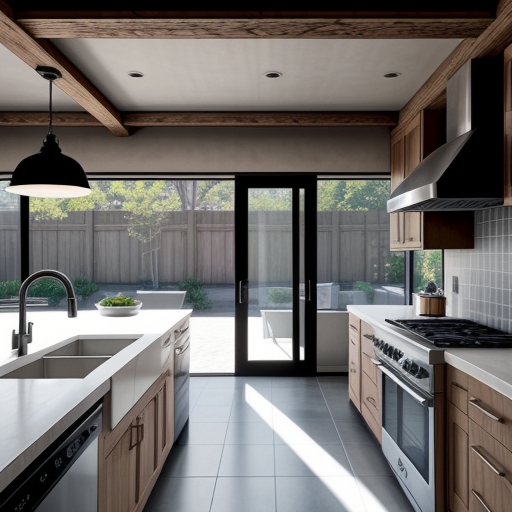
Upgrade to energy-efficient appliances and lighting. Consider appliances with ENERGY STAR labels as they use significantly less energy and water compared to older models. Similarly, replacing incandescent bulbs with LED or CFL bulbs will lower energy consumption and reduce electricity bills.
Investing in smart home technology can further enhance your home’s energy efficiency. Smart thermostats, for instance, automatically adjust heating and cooling settings based on your daily routine, resulting in energy savings without sacrificing comfort.
Finally, don't underestimate the impact of renewable energy sources. Installing solar panels can significantly cut energy costs in the long run while increasing your property's value. Research whether government incentives or tax credits are available in your area to offset the initial investment costs.
Ultimately, by taking these steps, you can vastly improve your home's energy efficiency, leading to lower utility bills, increased comfort, and a smaller environmental impact. These efforts make your home more attractive to potential buyers, should you decide to sell, and contribute positively to a sustainable future.