Flipping properties has become an increasingly popular investment strategy for real estate enthusiasts looking to make a profit in a competitive market. While it can be lucrative, successfully flipping properties requires thorough knowledge, planning, and strategy. This guide outlines the essential steps to take when considering property flipping as an investment.
Understanding the Basics of Property Flipping
At its core, property flipping involves purchasing a property, renovating it, and then selling it for a higher price. The key to making a profit lies in understanding the market and finding undervalued properties that have potential for appreciation. Identifying the right property's location, condition, and market trends is crucial.
Researching the Market
Before diving into any investment, extensive research is necessary. Study comparable sales in the area, often referred to as "comps," to determine which properties are selling and at what price. Local market trends can provide insights on what types of properties are in demand, allowing you to make more informed purchase decisions. Analyze neighborhood factors such as school districts, amenities, and future developments that could influence property values over time.
Financing Your Investment
Securing the right financing is crucial for any property flipping venture. Traditional mortgage lenders may not offer the most favorable terms for short-term flips. Consider alternative options like hard money loans, private lenders, or cash purchases, which typically provide more flexibility and faster closings. Always evaluate associated costs, including interest rates and points, to ensure your financing aligns with your investment goals.
Looking for the Right Property
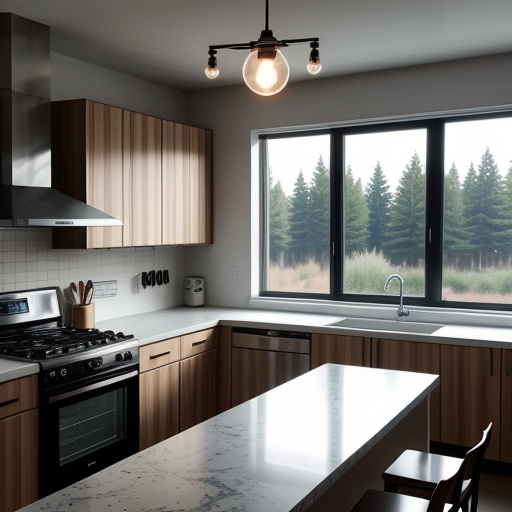
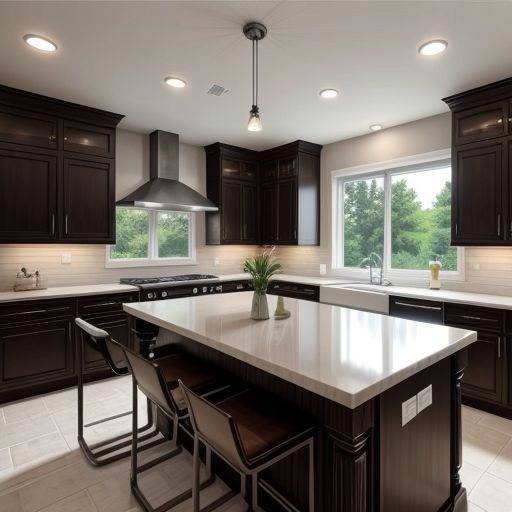
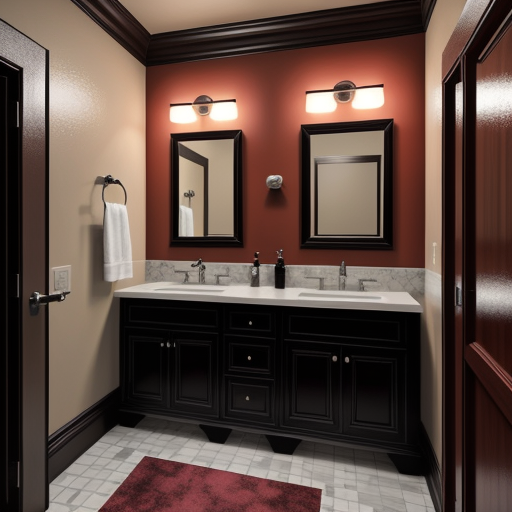
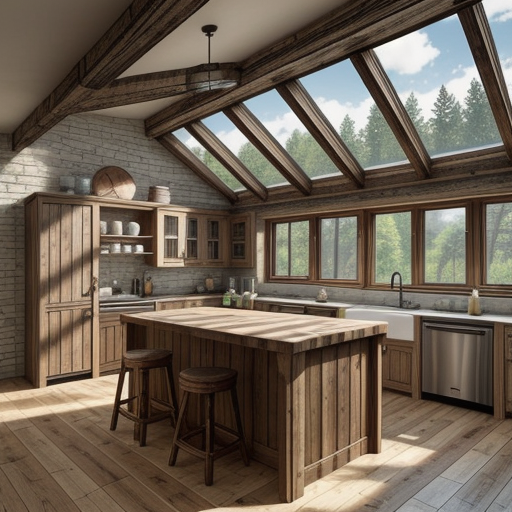
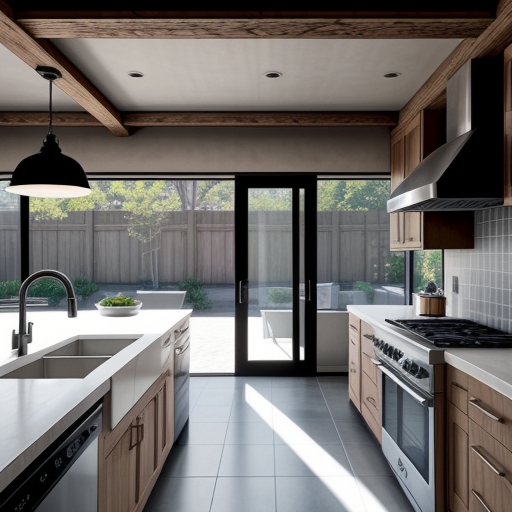
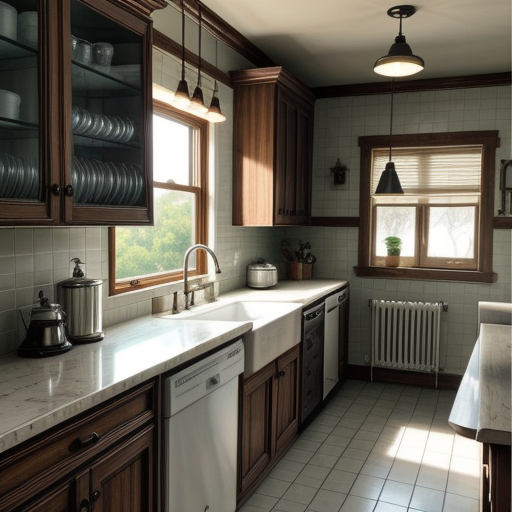
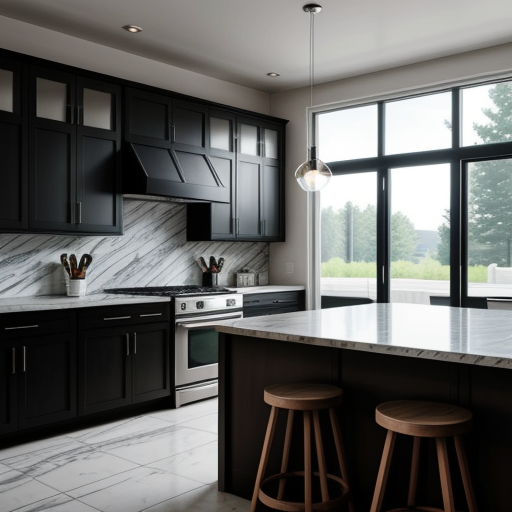
Finding the right property to flip can be challenging. Look for distressed properties that are in need of repairs, such as foreclosures, short sales, or properties listed below market value. A thorough property inspection can reveal what repairs are needed to restore the home effectively. Projects that offer cosmetic improvements, like updating kitchens or bathrooms, tend to yield the highest returns without overextending your budget.
Planning Your Renovation Budget
Once you have acquired a property, it’s essential to establish a detailed renovation budget. This budget should include all potential costs from labor to materials, permits, contingencies for unexpected expenses, and holding costs while the property is listed for sale. Stick to your budget while also being flexible enough to adjust if unexpected issues arise during renovations.
Executing the Renovation Work
Hiring experienced contractors is key to a successful renovation. While DIY projects can save money, they may also lead to delays and quality issues if you lack the necessary skills. Ensure any contractors you hire are licensed and insured to protect your investment. Set a timeline for renovations and monitor progress consistently to avoid issues that can delay your selling timeline.
Marketing and Selling the Property
Once renovations are complete, it’s time to market your property. High-quality photos and listing descriptions that highlight the property's best features are crucial to attract potential buyers. Partner with a knowledgeable real estate agent who understands the local market dynamics and can assist in pricing your home competitively. Hosting open houses and leveraging social media can also enhance visibility.
Conclusion
Flipping properties can be a rewarding endeavor when approached with the right strategies and preparation. Understanding market dynamics, staying within budget, and executing effective renovations are vital components. With thorough planning and execution, successfully flipping properties can yield profitable results. Always assess the risks involved and remain adaptable to fluctuations in the real estate market.
By following the steps outlined in this guide, aspiring property flippers can create a path toward profitability while minimizing the common pitfalls associated with real estate investments.