In recent years, climate change has emerged as a significant factor influencing the real estate market. As global temperatures rise, natural disasters become more frequent, and sea levels increase, these environmental shifts are reshaping not only where people choose to live but also how properties are bought, sold, and insured.
The first impact of climate change on real estate is the increased frequency of extreme weather events such as hurricanes, floods, and wildfires. Properties in high-risk areas are seeing changes in their valuation. Buyers are becoming more cautious, often opting for homes that are resilient against such events or located in regions less affected by natural disasters. This shift in preference is pushing the demand in certain areas while leaving others with slowed market activity.
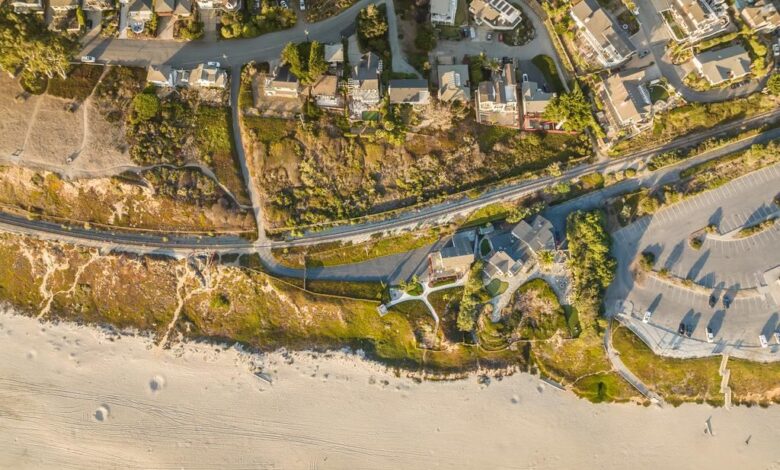
Moreover, rising sea levels pose a significant threat to coastal real estate. Properties located along coastlines are at risk of flooding, leading to potential damage and decreased property values. In some instances, insurance premiums have skyrocketed, further deterring potential buyers from investing in these areas.
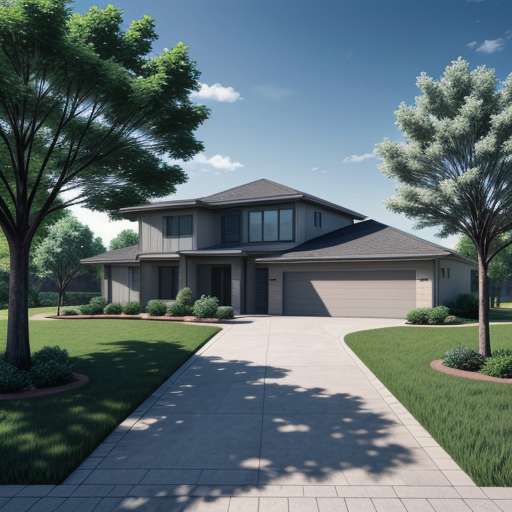
On the other side, there is a burgeoning interest in sustainable and eco-friendly buildings. Properties with energy-efficient features, such as solar panels, insulated windows, and green roofs, are not just helping reduce carbon footprints but are also attracting buyers willing to pay a premium for such upgrades. This demand for sustainable real estate is expected to grow as more consumers prioritize environmental responsibility in their purchasing decisions.
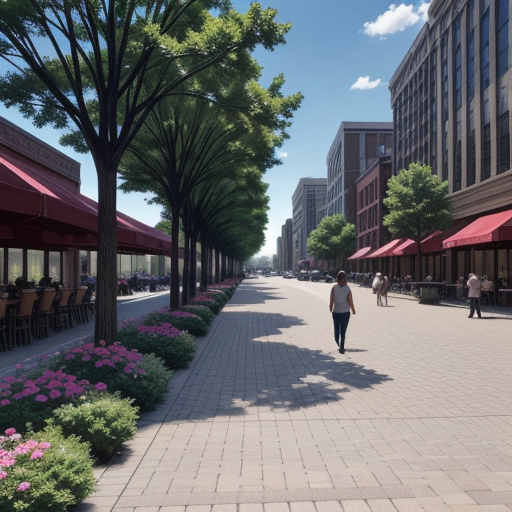
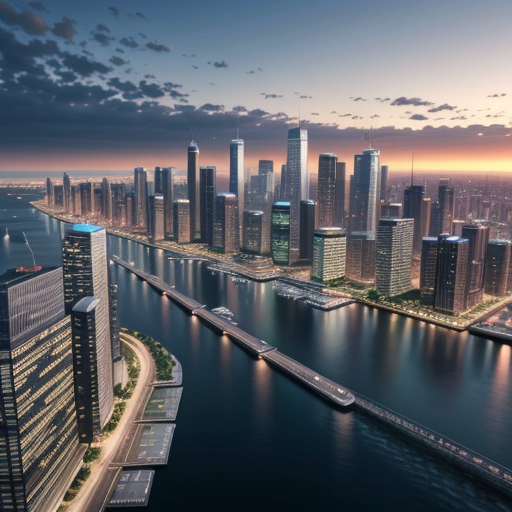
Additionally, urban planning is now increasingly factoring in climate resilience. Cities are investing in infrastructure to mitigate the impact of weather changes, which in turn can make urban areas more appealing to prospective buyers. Areas that successfully integrate climate resilience into their planning are likely to see a boost in real estate values in the long term.
In conclusion, climate change is making its presence felt in the real estate market, influencing buyer preferences, property values, and urban planning. As this trend continues, real estate agents and investors must stay informed about environmental impacts to make prudent decisions. The focus on sustainability and resilience is not just a reactive stance but a proactive strategy that is reshaping the future of real estate.