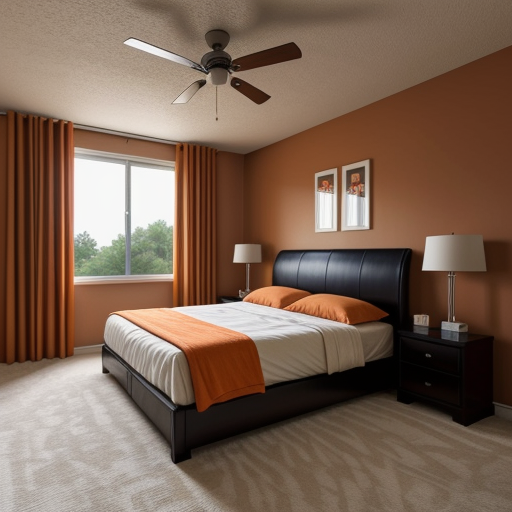
In recent years, energy-efficient home improvements have gained significant traction among homeowners and homebuyers alike. Not only do these upgrades contribute positively to the environment, but they often lead to substantial savings on energy bills as well. Whether you're preparing your home for sale or simply looking to increase comfort and lower utility costs, understanding the various energy-efficient improvements available is essential.
One of the most impactful upgrades you can make is investing in high-quality insulation. Proper insulation helps maintain a consistent temperature in your home, reducing the need for heating and cooling systems to work overtime. This not only enhances comfort but also drives down energy expenses.
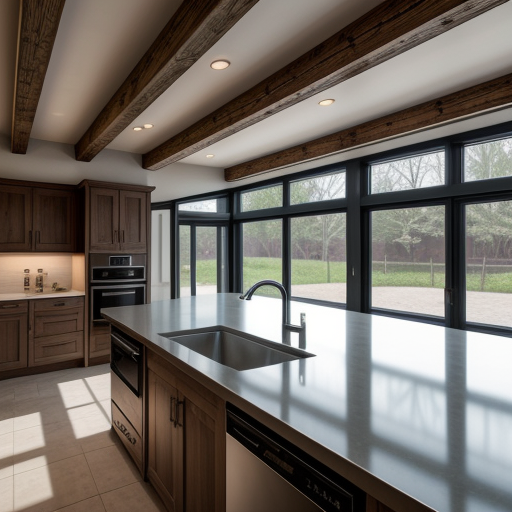
Next, consider upgrading to energy-efficient windows. Traditional windows can account for significant heat loss in both colder and warmer climates. Energy-efficient models—often marked with the ENERGY STAR label—are designed to minimize this loss. They can effectively keep your home warm in winter and cool during summer, further conserving energy and saving you money.
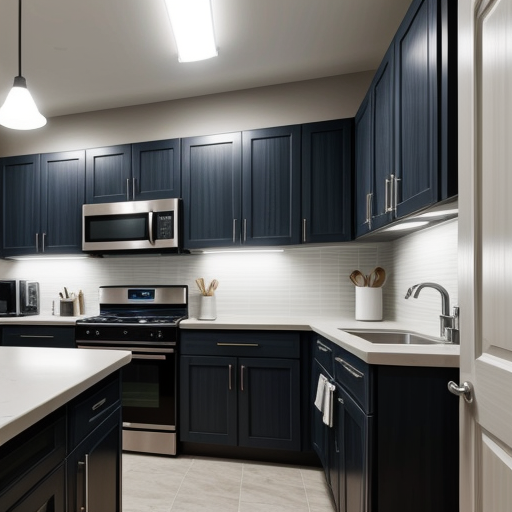
Another effective improvement is installing energy-efficient appliances. Replacing old appliances with those that bear the ENERGY STAR certification can lead to considerable savings. These appliances use less energy while still delivering high performance levels, making them a smart choice for eco-conscious homeowners.
Lighting also plays a crucial role in energy efficiency. Swapping out incandescent bulbs for LED lights can substantially reduce electricity usage while providing better illumination. LEDs typically last longer and consume only a fraction of the energy, leading to cost savings both in terms of energy bills and replacement costs.
Additionally, consider integrating smart home technology. Smart thermostats, for instance, allow you to monitor and control your home’s temperature more effectively. With features such as programmable schedules and remote access, these devices can contribute to energy savings by reducing unnecessary heating and cooling.
Lastly, if your home permits, look into renewable energy sources, such as solar panels. While the initial investment may be significant, the long-term savings and potential tax incentives can make this option financially viable for many homeowners. Furthermore, solar panels can boost your home's value and appeal to environmentally conscious buyers.
In conclusion, energy-efficient home improvements are not only beneficial for the planet but also financially advantageous for homeowners. By making strategic upgrades such as improved insulation, energy-efficient windows and appliances, LED lighting, smart technology, and renewable energy sources, you can significantly enhance your home's energy efficiency. As awareness of these improvements continues to grow among buyers, investing in energy efficiency can set your property apart in the real estate market—and help you save money in the long run.