As the trend towards eco-friendly living continues to grow, homeowners and potential buyers are becoming increasingly aware of the importance of indoor air quality (IAQ) in sustainable homes. Indoor air quality refers to the cleanliness and safety of the air within and around buildings, affecting the health and comfort of the occupants. In sustainable homes, where environmental responsibility is paramount, ensuring optimal IAQ is a critical aspect that offers both health benefits and adds value to the property.
One of the main reasons indoor air quality is so important in sustainable homes is its direct impact on health and well-being. Poor air quality can lead to a host of health issues, including allergies, asthma, and other respiratory problems. By focusing on IAQ within green homes, builders and homeowners can reduce the presence of pollutants such as volatile organic compounds (VOCs), dust, mold, and smoke, creating a healthier living environment for everyone.
Moreover, sustainable home designs often incorporate materials and systems that naturally enhance air quality. This includes the use of low-VOC paints, sustainable flooring, and formaldehyde-free insulation, all of which contribute to cleaner indoor air. Similarly, advanced ventilation systems, like heat recovery ventilators (HRVs) and energy recovery ventilators (ERVs), can be installed to ensure a continuous exchange of indoor and outdoor air, effectively removing contaminated air from the house and replacing it with fresh air.
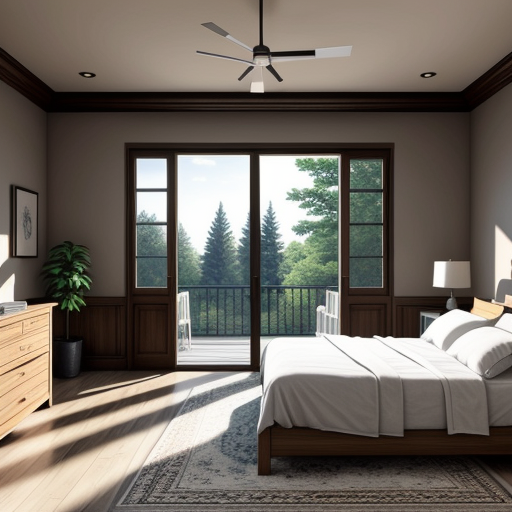
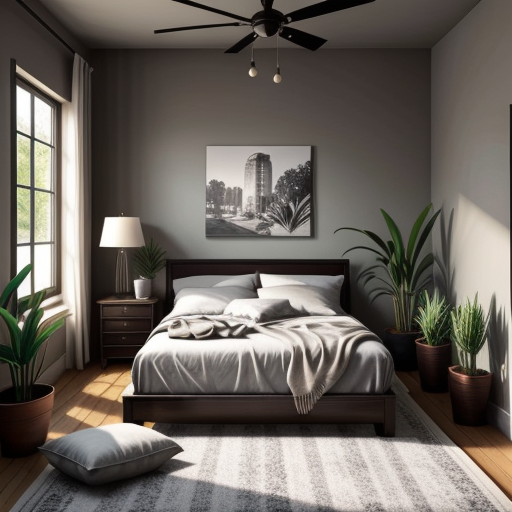
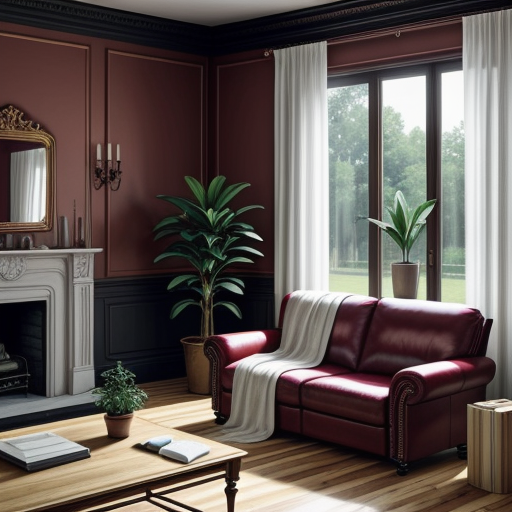
The integration of plants and biophilic design elements also plays a significant role in maintaining good IAQ. Plants naturally improve air quality by filtering pollutants and increasing oxygen levels. Sustainable homes can benefit greatly from incorporating indoor gardens or living walls, which not only enhance aesthetics but also contribute to healthier indoor environments.
In addition to the health advantages, enhancing IAQ in sustainable homes can lead to increased property value. Buyers today are more informed about environmental issues and often look for homes that align with eco-friendly and healthy living standards. A home that boasts superior air quality not only delivers immediate benefits to its occupants but also appeals to a wider range of conscious buyers, which can be a compelling selling point in the marketplace.
Finally, maintaining good indoor air quality is also closely tied with energy efficiency. By using high-quality insulation and airtight construction techniques, sustainable homes can retain heat more effectively, thereby reducing energy consumption and lowering utility bills. This efficient use of energy resources not only supports a healthy indoor environment but also contributes to the overall sustainability of the property.
In conclusion, indoor air quality is a vital component of sustainable home design that should not be overlooked. It plays a crucial role in safeguarding inhabitants' health, improving property value, and enhancing overall energy efficiency. As the demand for environmentally responsible housing grows, both real estate agents and home buyers should prioritize IAQ considerations when evaluating or marketing sustainable properties.