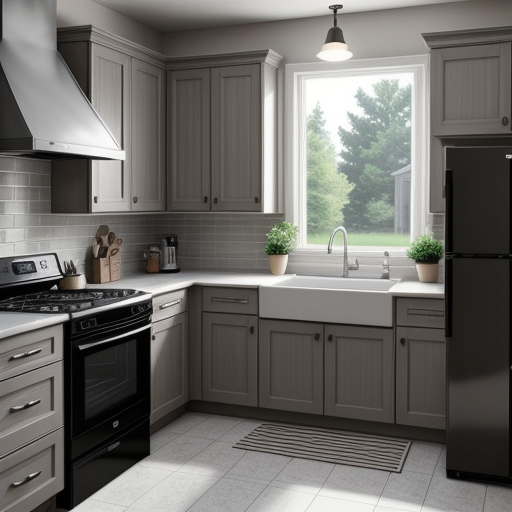
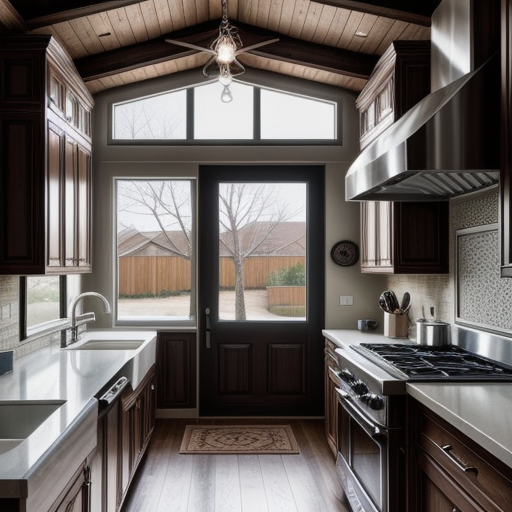
Downsizing can be a daunting process, but with strategic planning and organization, moving from a larger space to a more manageable home can be remarkably efficient. Whether you are transitioning to a smaller house, a condo, or an apartment, the following tips can help you navigate the downsizing process seamlessly while ensuring you retain the items that truly matter to you.
1. Start Early and Plan Ahead One of the most important aspects of downsizing efficiently is to begin the process well in advance. Ideally, you should allow yourself several months to sort through your belongings. Create a timeline that includes specific tasks and deadlines. This will help you stay on track and reduce stress as your move date approaches.
2. Declutter Ruthlessly Begin by evaluating each item in your current home. Consider the last time you used it and its sentimental value. A good rule of thumb is to consult the 'one-year rule': if you haven't used an item in the last year, perhaps it's time to let it go. Donate, sell, or recycle items that don’t serve a purpose in your new living space.
3. Categorize Your Belongings Organize your items into categories such as keep, donate, sell, and discard. This will create clear divisions, making it easier to decide what to keep and what to remove. Additionally, labeling boxes and rooms can help streamline the packing process, ensuring you know what is inside each box when it comes time to unpack.
4. Measure Your New Space Before you start packing up your belongings, take the time to measure the space in your new home. Knowing the dimensions of each room can prevent you from bringing too many items that won't fit. This information can also help you choose which furniture to keep and which to leave behind or replace.
5. Utilize Professional Help Consider hiring professional movers who specialize in downsizing. They can provide valuable insights into efficient packing strategies and ensure your belongings are transported safely. Additionally, many moving companies offer packing services that can save you time and effort.
6. Make Use of Storage Solutions If you find it difficult to part with certain items but don't have the space in your new home, renting a storage unit can provide a temporary solution. This allows you to keep your belongings safely while you transition. However, be cautious not to use storage as a long-term solution, as it may lead to more clutter down the line.
7. Embrace a New Lifestyle Downsizing is not just about reducing the number of belongings you have; it's also about embracing a lifestyle that prioritizes simplicity and less clutter. Use this opportunity to rethink your lifestyle and the role that possessions play in it. Focus on experiences and relationships rather than material items.
8. Celebrate the Change Moving to a smaller space can initially feel overwhelming, but it is important to celebrate the change. Host a small gathering with family and friends in your new home to mark the occasion. This will help you embrace this transition and create new memories in your new space.
In conclusion, downsizing your home can be an efficient and rewarding process when approached with strategy and foresight. By planning ahead, decluttering, and making informed decisions about what to keep, you can make the moving process less stressful and more enjoyable. Embrace the change and look forward to a simplified lifestyle in your new home.