In today's eco-conscious world, making your home more energy efficient is not only beneficial for the environment but also can lead to significant cost savings on utility bills. Homeowners are increasingly seeking solutions to reduce energy consumption, and there are numerous strategies that can be implemented to achieve this goal.
One of the first steps in enhancing energy efficiency is to conduct a comprehensive energy audit of your home. This assessment identifies areas where energy is being wasted, such as drafty windows, outdated insulation, and inefficient heating or cooling systems. Many utility companies offer free or low-cost energy audits, making it an accessible option for homeowners.
Insulation is a critical component of an energy-efficient home. Proper insulation helps maintain a consistent indoor temperature, reducing the need for excessive heating or cooling. Consider upgrading insulation in attics, basements, and walls to minimize heat transfer. This investment can yield significant savings on energy costs over time.
Another effective way to improve energy efficiency is by sealing air leaks. Gaps around windows, doors, and other openings can lead to significant energy loss. Weatherstripping and caulking these areas can create a tighter seal, ensuring that your home remains comfortable without overworking your heating or cooling systems.
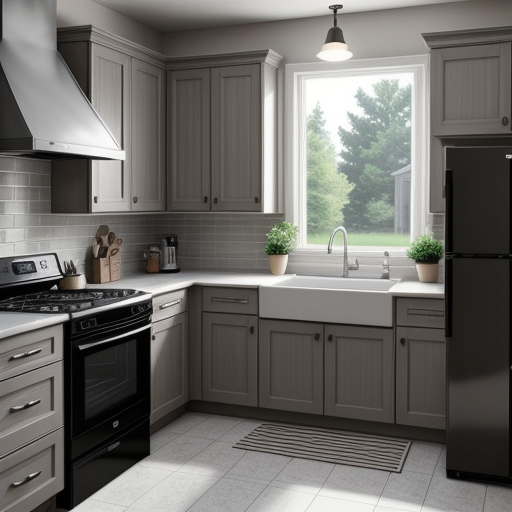
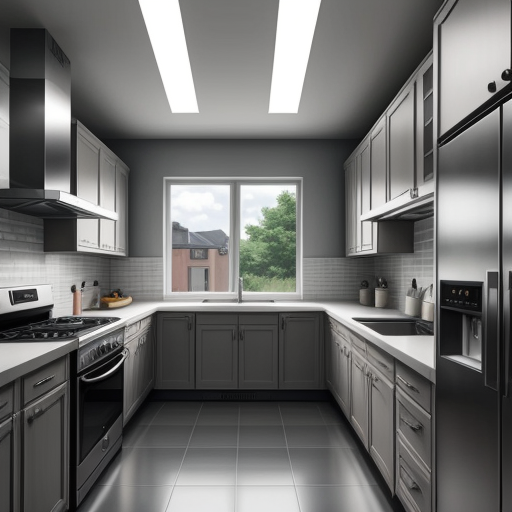
Switching to energy-efficient appliances can also make a considerable difference in your home’s energy consumption. Look for appliances rated by ENERGY STAR, which signifies they meet strict energy efficiency guidelines set by the U.S. Environmental Protection Agency. While the initial investment may be higher, the long-term savings on energy bills can be substantial.
Consider incorporating smart home technology to further enhance energy efficiency. Smart thermostats, energy monitoring systems, and automated lighting can help you manage your energy use more effectively. These systems can adjust usage based on your lifestyle needs, ensuring that energy is only consumed when necessary.
Finally, exploring renewable energy options, such as solar panels, can significantly contribute to your home’s energy efficiency. Although the upfront costs can be considerable, many homeowners find that the long-term savings and potential tax incentives make this an attractive option.
In conclusion, making your home more energy efficient involves several strategic steps that can lead to cost savings and a reduced environmental footprint. From improving insulation and sealing air leaks to upgrading appliances and embracing smart technology, there are multiple ways that homeowners can work towards a more sustainable living environment. Start with an energy audit, prioritize necessary upgrades, and enjoy the benefits of a more efficient home.