In today's rapidly evolving real estate market, energy efficiency has emerged as a key consideration for homebuyers. Increasing the energy efficiency of your home not only helps reduce utility bills but also adds to the overall value of your property. Here are some essential strategies to improve your home's energy performance.
Firstly, consider upgrading your insulation. Proper insulation ensures that your home maintains a consistent temperature, reducing the need for excessive heating or cooling. Focus on areas such as the attic, walls, and floors to prevent energy loss.
Next, evaluate your windows and doors. Replacing single-pane windows with double or triple-pane variants can significantly reduce energy consumption by minimizing heat exchange. Additionally, weatherstripping doors can prevent drafts and help maintain indoor temperatures.
Another effective measure is to install a programmable thermostat. This modern device allows you to set optimal temperatures throughout the day, enhancing comfort while optimizing energy use. Many smart thermostats also offer remote control via smartphone apps, providing additional convenience and savings.
Don't forget about the lighting in your home. Switching to LED bulbs can dramatically decrease your electricity usage. They last longer than traditional incandescent bulbs and consume less energy, helping to reduce your carbon footprint.
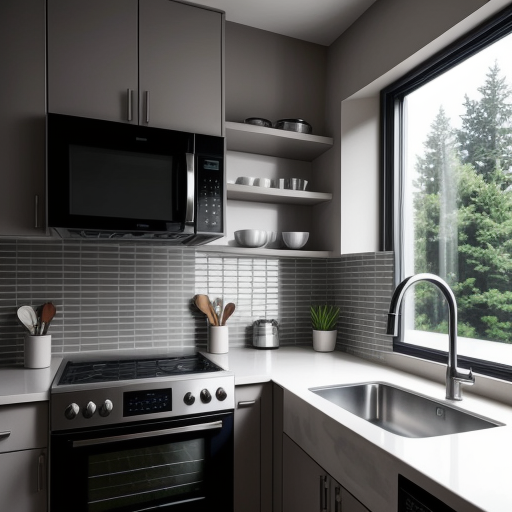
Appliances also play a critical role in energy efficiency. Consider upgrading to ENERGY STAR-rated appliances, which adhere to rigorous standards for energy consumption. These appliances benefit the environment and reduce long-term energy costs.
Lastly, explore renewable energy options. Installing solar panels or wind turbines can significantly decrease reliance on conventional energy sources and, in some areas, contribute to energy credits or rebates.
By implementing these strategies, you can make your home more energy-efficient and attractive to environmentally conscious buyers, ultimately enhancing its market value.