In today's environmentally-conscious world, understanding Passive House standards can be a valuable asset for prospective homebuyers. As energy efficiency and sustainability become increasingly important in real estate, Passive House homes offer a compelling option. But what exactly are Passive House standards, and why should they matter to you?
What Are Passive House Standards?
The Passive House standard is a rigorous voluntary building standard for energy efficiency, developed in Germany in the late 1980s. It aims to drastically reduce a building's ecological footprint, resulting in ultra-low energy buildings that require little energy for heating or cooling. To meet Passive House standards, homes must achieve high levels of insulation, airtightness, and use energy-efficient ventilation systems.
Key Components of Passive House Design
- Thermal Insulation: Passive Houses employ high-quality insulation in walls, roofs, and floors to keep desired temperatures constant and reduce energy consumption.
- Airtight Construction: These homes are designed to be extremely airtight, preventing cold air from entering and warm air from escaping.
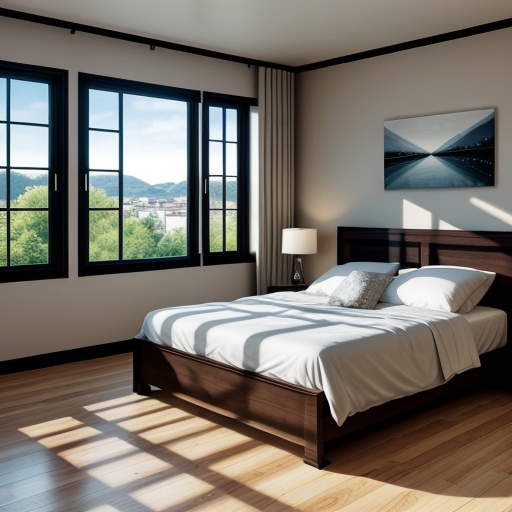
- Highly Efficient Windows: The use of triple-glazed windows allows for optimal heat retention.
- Ventilation Systems: Energy recovery ventilation systems maintain fresh air while conserving heat, contributing to energy savings.
- Thermal Bridge Free Design: These homes minimize thermal bridges (areas where architectural elements create a heat flow path) to maintain energy efficiency.
Benefits of Passive Houses
For homebuyers, investing in a Passive House means reduced utility bills due to the significantly lower energy needs. These homes offer improved air quality and comfort, making them particularly ideal for people with respiratory issues or allergies. Additionally, their minimal environmental impact aligns with sustainable living initiatives.
Passive House in the Market
While the upfront cost of a Passive House might be higher due to specialized construction methods and materials, the long-term savings and increasing demand for sustainable homes offer a good return on investment. They are becoming more common in various real estate markets, making them an accessible option for buyers inclined towards sustainability.
Conclusion
Understanding Passive House standards equips homebuyers with knowledge about energy-efficient homes that contribute to a sustainable future. They offer significant benefits, ranging from cost savings to comfort, and align with broader environmental goals.
When viewing properties, consider consulting with a real estate agent who understands Passive House principles to guide you in making an informed decision. This can contribute not just to personal savings, but also to a healthier planet.