Creating a sustainable property management plan is an essential step for any property owner or manager looking to minimize their environmental impact while also optimizing operational efficiency. As we move toward a more eco-conscious society, incorporating green practices into property management not only benefits the planet but can also enhance property value and appeal to environmentally-minded tenants.
The first step in developing a sustainable property management strategy is to conduct an energy audit. This process involves evaluating your property's energy usage to identify areas where improvements can be made. Simple adjustments, such as switching to energy-efficient lighting or installing programmable thermostats, can significantly reduce energy costs and consumption.
Water conservation is another vital component of a sustainable plan. Implementing low-flow fixtures, fixing leaks promptly, and considering rainwater harvesting systems can greatly decrease water usage. These measures not only contribute to environmental sustainability but can also result in substantial savings on utility bills.
Waste management is equally important. Encourage recycling and composting by providing adequate facilities and education for tenants. Implementing these practices can reduce the property's overall waste output, thus minimizing its environmental footprint. Additionally, partnering with waste management companies that prioritize recycling and waste reduction can further enhance sustainability efforts.
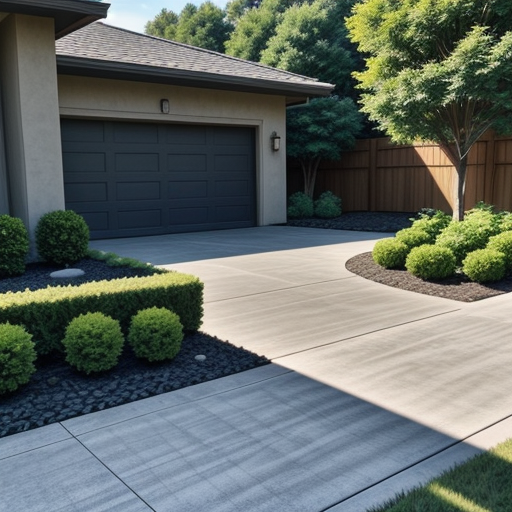
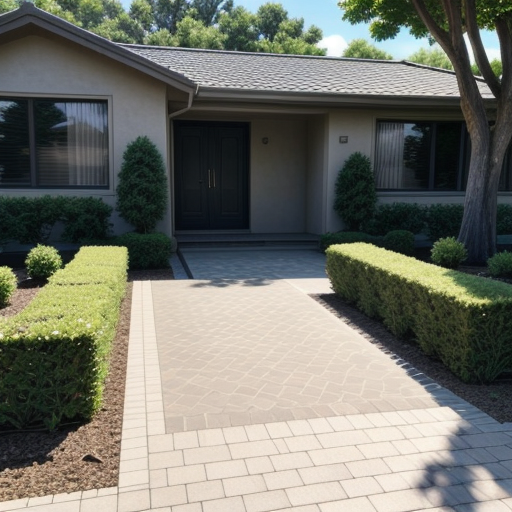
A sustainable landscape design can also contribute significantly to a property's eco-friendliness. Consider integrating native plants that require less water and maintenance, and explore the benefits of green roofs or vertical gardens to maximize green space. Sustainable landscaping not only contributes to the environment but can also improve air quality and enhance the aesthetic appeal of the property.
Lastly, consider leveraging smart technology to enhance sustainability. Smart systems provide real-time data and insights, allowing for more efficient energy and resource management. Smart water sensors, for example, can detect leaks early, while smart HVAC systems automatically adjust for energy efficiency based on occupancy and weather conditions.
In conclusion, developing a sustainable property management plan involves a holistic approach that includes energy efficiency, water conservation, waste reduction, sustainable landscaping, and smart technology. By implementing these strategies, property owners can play a pivotal role in promoting eco-friendly practices and contributing to a more sustainable future.