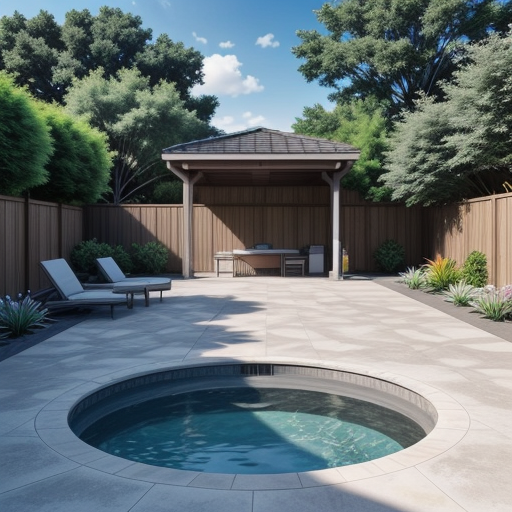
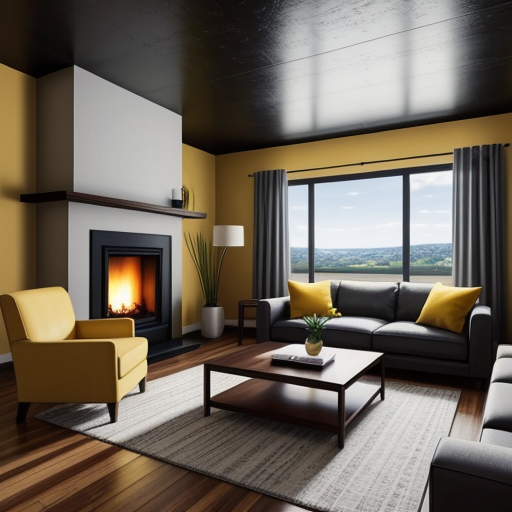
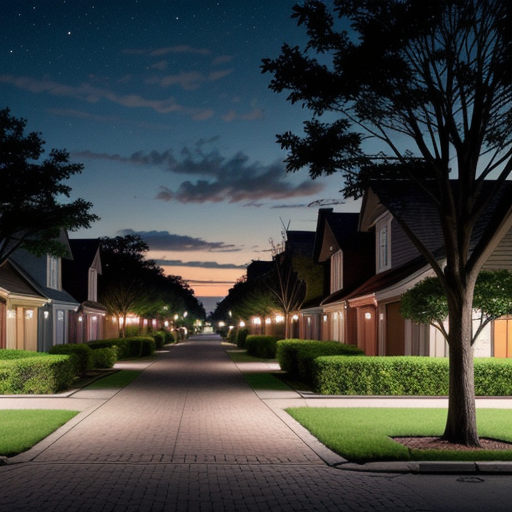
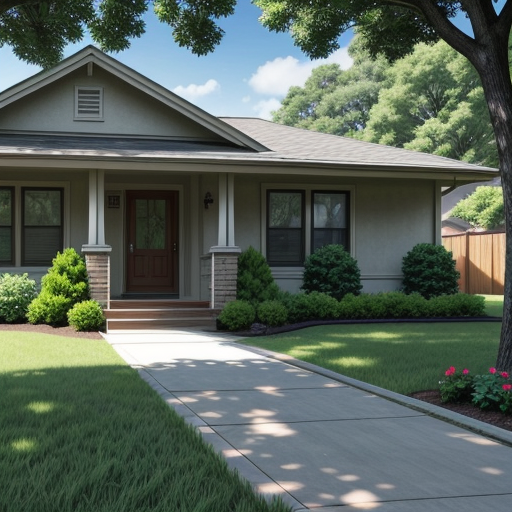
With a growing emphasis on sustainability and energy efficiency in the real estate market, understanding Passive House standards can significantly enhance your homebuying journey. Developed in the late 20th century, Passive House (or Passivhaus) standards are a rigorous, voluntary standard for energy efficiency in buildings, aiming to reduce their ecological footprint. This set of criteria prioritizes minimal energy use while ensuring maximum comfort for occupants.
Passive House standards are built around five key principles: superior insulation, air-tight construction, high-performance windows, heat recovery ventilation, and the elimination of thermal bridges. These elements work together to drastically decrease the energy required for heating and cooling spaces, allowing homes to use up to 90% less energy than conventional buildings.
For homebuyers, investing in a passive house offers numerous benefits. First, it can lead to substantial energy savings, reducing utility bills over time. Moreover, Passive Houses provide enhanced indoor air quality, maintaining a consistent temperature and eliminating drafts. This ensures a healthier living environment, particularly important for families and individuals with respiratory concerns.
Additionally, because Passive Houses are built to last, they often come with longer lifespans and lower maintenance costs. These homes also have an increased resale value due to their sustainability features, making them attractive in a highly competitive real estate market focused on environmental consciousness.
When considering a passive house, it’s crucial for homebuyers to engage with knowledgeable real estate agents who understand these standards and can provide guidance throughout the purchasing process. Doing so helps navigate potential challenges and ensures a seamless transition into a highly efficient, environmentally friendly home.
In conclusion, as the real estate industry evolves towards a more sustainable future, understanding Passive House standards equips homebuyers with the knowledge to make informed decisions. Embracing these principles not only benefits individual homeowners but also contributes positively to broader environmental conservation efforts.