In recent years, the importance of sustainable living has become more apparent than ever. As a result, many homebuyers and homeowners are seeking ways to design their homes with eco-friendly features. Here’s a comprehensive guide to help you create a sustainable, energy-efficient home that benefits both your lifestyle and the environment.
Why Sustainable Home Design Matters
Sustainable home design is not just a trend; it’s a critical approach to reducing our carbon footprint and promoting long-term environmental health. By incorporating sustainable practices and materials in your home, you can lower energy consumption, reduce waste, and create a healthier living environment.
Key Elements of a Sustainable Home
1. Energy Efficiency
One of the main components of a sustainable home is energy efficiency. Start by installing energy-efficient windows and doors to minimize heat loss. Consider using solar panels to harness renewable energy and reduce dependency on fossil fuels. Additionally, energy-efficient appliances and LED lighting can significantly lower your electricity usage.
2. Water Conservation
Water-saving fixtures such as low-flow toilets, faucets, and showerheads can greatly reduce water consumption. Incorporating rainwater harvesting systems and greywater recycling can further enhance water efficiency in your home.
3. Sustainable Materials
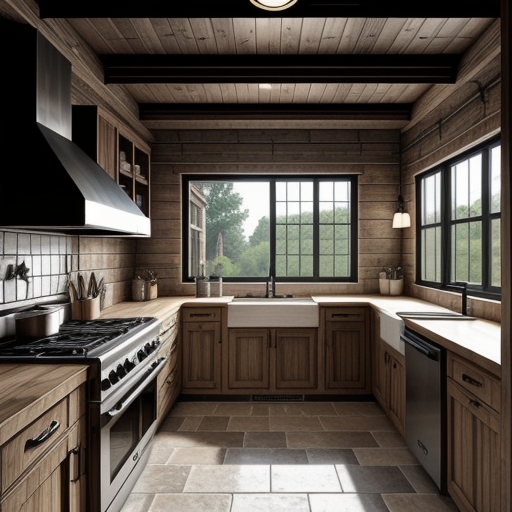
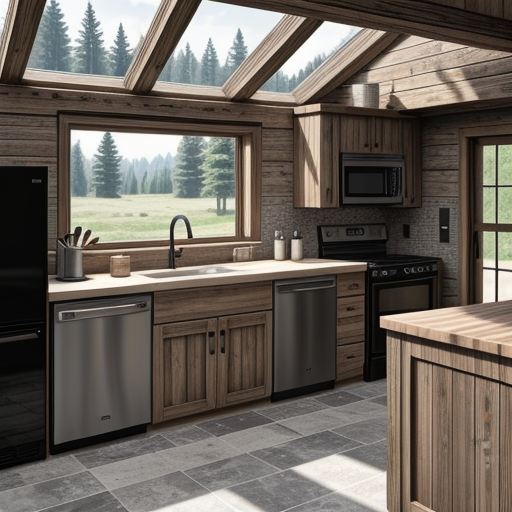
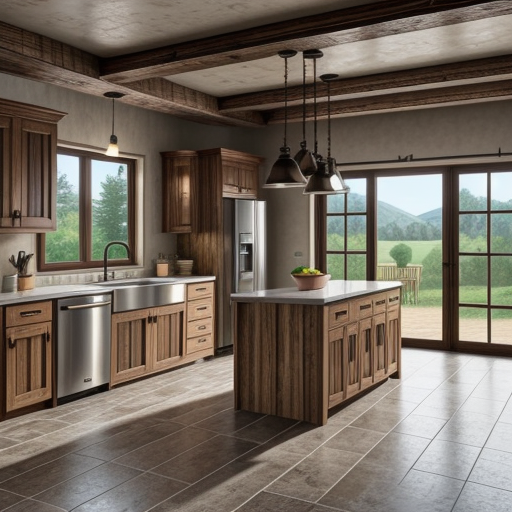
Opt for building materials that are sustainable, recycled, or locally sourced. Bamboo flooring, reclaimed wood, and recycled steel are excellent choices. These materials not only help reduce environmental impact but also add a unique aesthetic to your home.
4. Indoor Air Quality
Use non-toxic, low-VOC (volatile organic compound) paints and finishes to improve indoor air quality. Installing a high-quality ventilation system can ensure that your home remains well-ventilated and free of pollutants.
5. Smart Home Technology
Investing in smart home technologies can help you monitor and reduce your home’s energy usage. Smart thermostats, lighting systems, and energy management apps provide real-time data and automation capabilities to optimize efficiency.
Design Tips for Sustainable Living
Maximize Natural Light
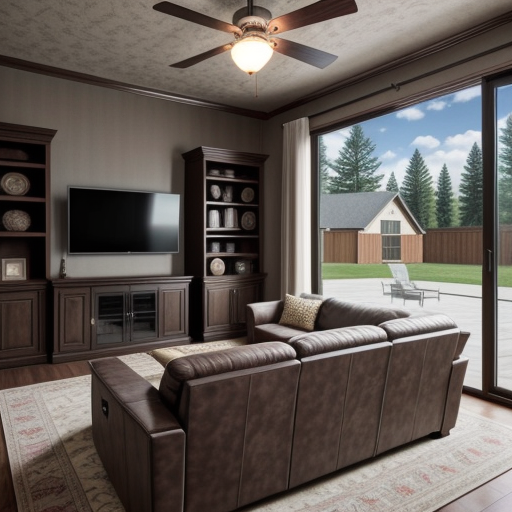
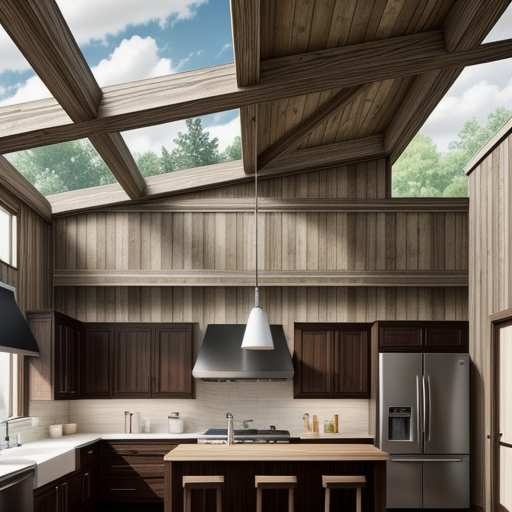
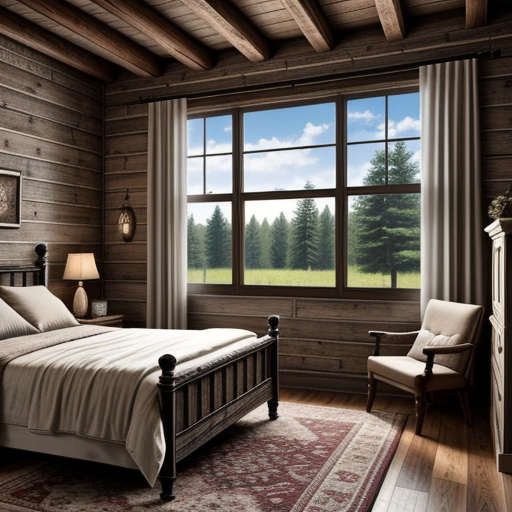
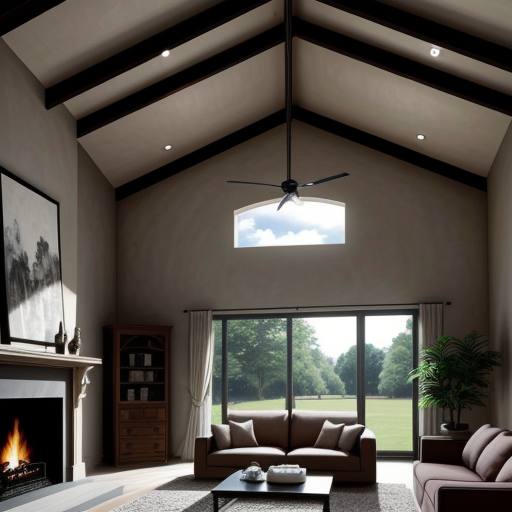
Design your home to take full advantage of natural light. Large windows, skylights, and strategically placed mirrors can make your home brighter while reducing the need for artificial lighting.
Insulation and Sealing
Proper insulation in walls, roofs, and floors can dramatically decrease the amount of energy needed for heating and cooling. Sealing gaps and cracks can prevent drafts and maintain a consistent indoor temperature.
Native Landscaping
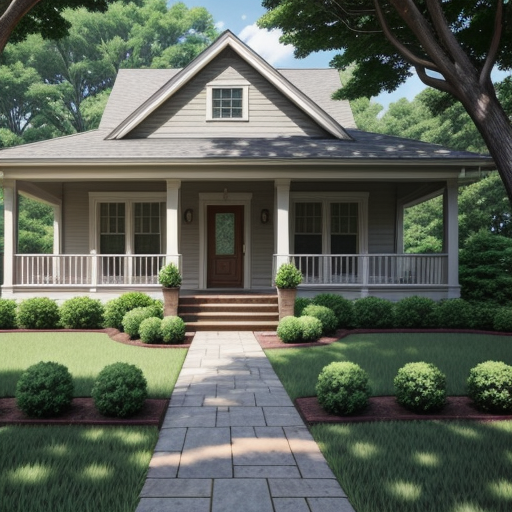
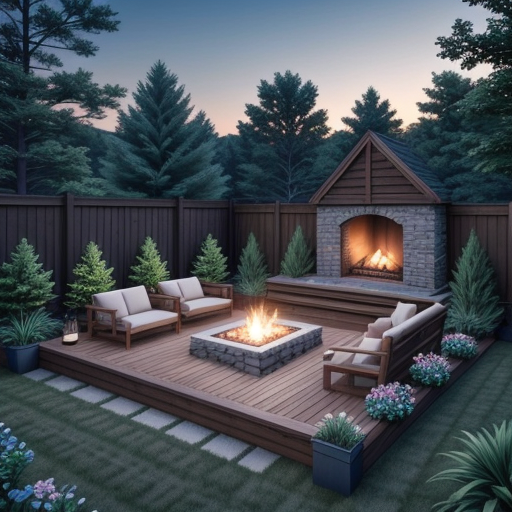
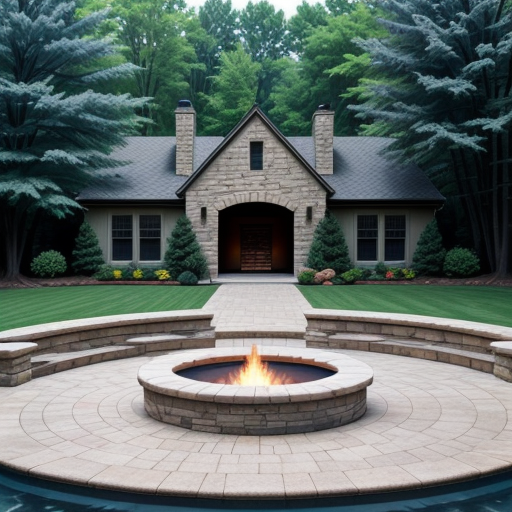
Use native plants in your landscaping to save water and support local biodiversity. Native plants are adapted to the local climate and require minimal irrigation compared to non-native species.
Multifunctional Spaces
Design spaces that can serve multiple purposes. This reduces the need for additional rooms and conserves building materials and energy.
Conclusion
Creating a sustainable home is a rewarding endeavor that pays dividends for both the environment and your personal well-being. By focusing on energy efficiency, water conservation, sustainable materials, indoor air quality, and smart technologies, you can design a home that stands the test of time and reduces your environmental impact. Start making sustainable choices today, and enjoy the benefits of an eco-friendly lifestyle for years to come.