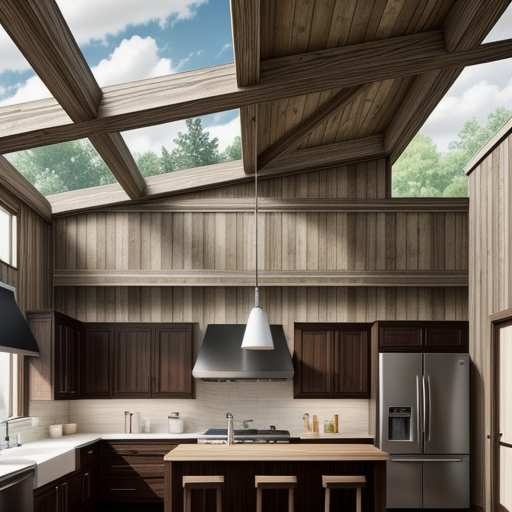
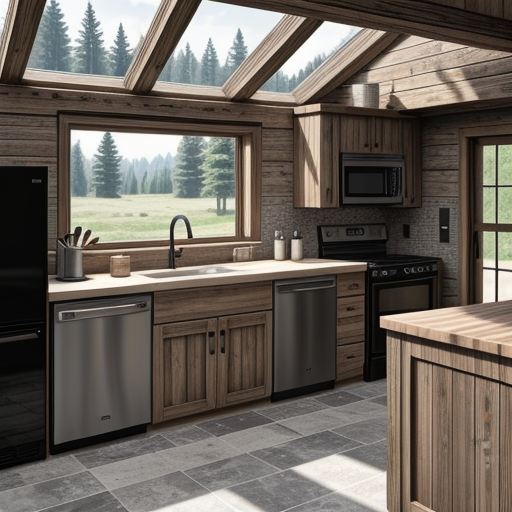
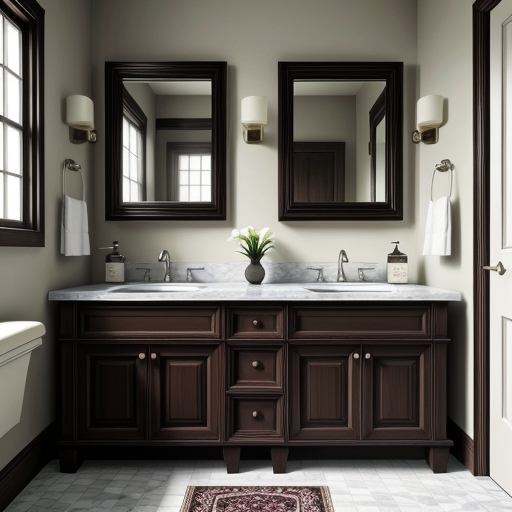
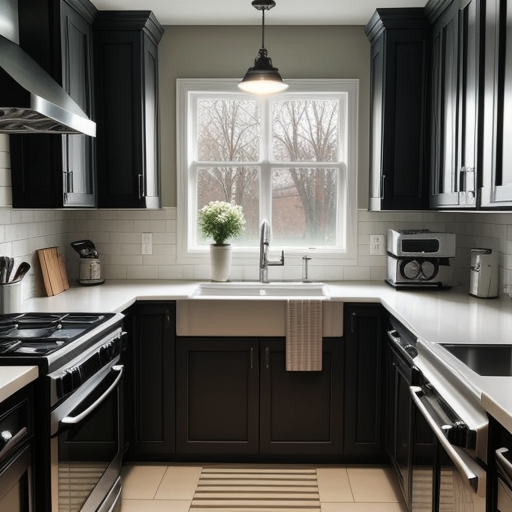
Renovating your home can be an exciting yet overwhelming venture. Whether you want to remodel your kitchen, revamp your bathroom, or create an open-concept living space, careful planning is crucial to ensure a smooth and successful renovation process. Here are some essential steps to help you navigate your home renovation journey.
1. Define Your Goals The first step in planning any home renovation is to clearly define your objectives. Ask yourself what you hope to achieve with the renovation. Are you updating the space for your family's needs, preparing to sell your home, or simply improving aesthetics? Having a clear vision will guide your decisions and keep you focused throughout the process.
2. Set a Realistic Budget Once you have your goals in mind, it’s time to set a budget. Determine how much you can allocate for the renovation, taking into consideration both labor and material costs. It's also advisable to include a contingency fund for unexpected expenses—aim for about 10-20% of your overall budget to account for surprises.
3. Research and Gather Inspiration Before making any concrete plans, spend some time gathering inspiration. Browse through magazines, visit home improvement stores, or use platforms like Pinterest and Houzz to compile ideas that resonate with your vision. Having a visual reference will help when discussing your project with contractors or designers.
4. Hire the Right Professionals Depending on the scope of your renovation, you may need to enlist the help of professionals. Research contractors, architects, or interior designers, and check their credentials and previous work. Don’t hesitate to collect multiple quotes to ensure you find the best fit for your needs and budget.
5. Create a Timeline A well-structured timeline is essential for keeping your renovation on track. Work with your contractors to develop a schedule outlining each phase of the project. Be sure to include time for permitting or any inspections that may be required. Flexibility is key; delays can happen, so remain adaptable throughout the process.
6. Consider Permits and Regulations Before starting any demolition or major work, familiarize yourself with local building codes and regulations. You may need specific permits depending on the nature of your renovations, especially for structural changes or significant electrical or plumbing work. Neglecting this step can lead to fines or costly delays.
7. Prepare for Disruption Depending on the extent of your renovations, be prepared for some level of disruption in your daily life. Create a plan for where you’ll stay if your home will be uninhabitable during the renovation. Also, consider making temporary arrangements for meals or laundry if essential areas of your home will be under construction.
8. Communicate Regularly Throughout the renovation process, maintain open lines of communication with your contractor and any other professionals involved. Regular updates can prevent misunderstandings and ensure that the project is progressing as planned. Don’t hesitate to voice any concerns or questions you may have.
Conclusion Planning a home renovation involves careful consideration and organization, but with the right approach, it can also be a highly rewarding experience. By defining your goals, setting a budget, gathering the right team, and maintaining clear communication, you can transform your vision into reality. Embrace the journey and enjoy the process of creating a home that truly reflects your style and needs.