In today's environmentally conscious world, improving the energy efficiency of your home is not just beneficial for reducing utility costs, but also plays a vital role in decreasing your carbon footprint. Energy efficiency upgrades can range from simple, cost-effective measures to more complex renovations. This comprehensive guide will walk you through key strategies to make your home more energy-efficient.
1. Conduct an Energy Audit
Begin by assessing your current energy usage. Many utility companies offer home energy audits, which can help identify areas where your home may be losing energy unnecessarily. These audits are the first step to understanding your energy efficiency needs.
2. Upgrade Insulation
A well-insulated home can retain more heat in winter and keep cool air in during the summer months. Check your attic, walls, and basement to ensure they are adequately insulated. Consider using eco-friendly insulation materials for an added environmental benefit.
3. Seal Gaps and Leaks
Drafts can significantly impact your home's energy efficiency. Inspect your home for gaps around windows, doors, and any other openings to the outside. Use weather stripping or caulking to seal leaks to prevent air from escaping or entering your home.
4. Improve Heating and Cooling Systems
Having an efficient HVAC system is crucial. Regular maintenance, such as replacing filters and ensuring ducts are clean, can improve performance. If your system is outdated, consider upgrading to a more energy-efficient model to save on heating and cooling costs.
5. Switch to Energy-Efficient Appliances
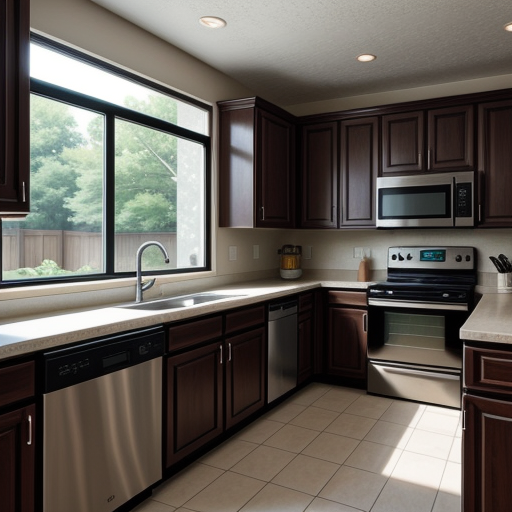
Appliances account for a significant portion of energy usage. When it's time to replace them, choose those with the Energy Star label, as they use less energy and operate more efficiently than standard appliances.
6. Utilize Smart Technology
Investing in smart home technology, such as programmable thermostats, can optimize your energy use. These gadgets allow you to control energy consumption more precisely and often remotely, enhancing convenience and savings.
7. Implement Renewable Energy Sources
Consider the long-term benefits of installing solar panels. While the initial investment may be significant, solar energy can drastically reduce your reliance on grid electricity, leading to lower utility bills and a sustainable energy source for your home.
Making your home energy efficient requires both planning and investment, but the long-term financial savings and environmental benefits are well worth the effort. By taking these steps, you'll be contributing to a more sustainable future while enjoying the comfort of a more energy-efficient home.