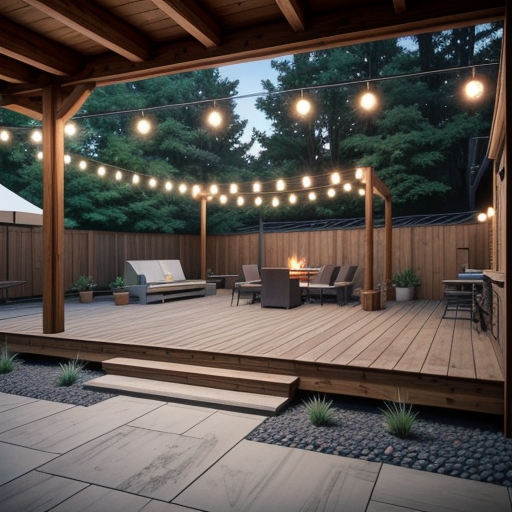
Creating a sustainable garden at home is an enriching endeavor that not only enhances the aesthetic appeal of your property but also contributes positively to the environment. For real estate agents, understanding this trend can be a vital component in engaging with eco-conscious clients. Here are some essential steps and tips for cultivating an eco-friendly garden.
Choosing Native Plants
One of the foundational steps in developing a sustainable garden is the selection of native plants. These plants are adapted to local climate conditions, requiring less water and fewer resources to thrive. They also support local wildlife, providing natural habitats and food sources. Research what plant species are native to your region and incorporate them into your garden design.
Water Conservation Techniques
Water is a precious resource, and conserving it is crucial for sustainability. Implementing a rainwater harvesting system allows you to collect and store rainwater for future use in irrigation. Additionally, drip irrigation systems can minimize water wastage by delivering water directly to the plant roots. Mulching is another effective method to retain soil moisture, reducing the need for frequent watering.
Organic Gardening Practices
Adopt organic gardening practices by avoiding synthetic fertilizers and pesticides. Instead, use composting as a natural fertilizer to enrich soil nutrients. Composting kitchen scraps and garden waste not only reduces landfill waste but also helps create quality soil. Likewise, encourage beneficial insects and birds by providing diverse plantings and small water features to support pollinators and natural pest control.
Sustainable Landscape Design
Consider sustainable landscape design principles that focus on reducing the environmental impact. This includes minimizing lawn areas and designing garden spaces that promote biodiversity. Creating zones with different functional uses, such as vegetable beds or wildflower sections, can enhance your garden's sustainability.
Regular Maintenance and Monitoring
Sustainable gardening requires ongoing efforts. Regularly monitor plant health and soil conditions, making necessary adjustments to maintain a balanced ecosystem. Encourage good practices such as seasonal pruning, crop rotation, and intercropping to keep the garden resilient and productive.
By embracing these eco-friendly practices, homeowners can create gardens that not only flourish but also contribute to the well-being of the planet. For real estate agents, understanding and promoting sustainable gardening can be a selling point that resonates with buyers looking for eco-conscious homeownership options.
In conclusion, a sustainable garden is a step toward environmental stewardship, offering numerous benefits to homeowners and the wider community. Through mindful plant selection and resource management, your garden can become a thriving, sustainable asset to your property.