When it comes to safeguarding your home, choosing the right security system is a crucial decision. With the increasing number of options available on the market, making an informed choice can be overwhelming. This guide aims to simplify the process by outlining key factors to consider when selecting a home security system.
1. Assess Your Security Needs
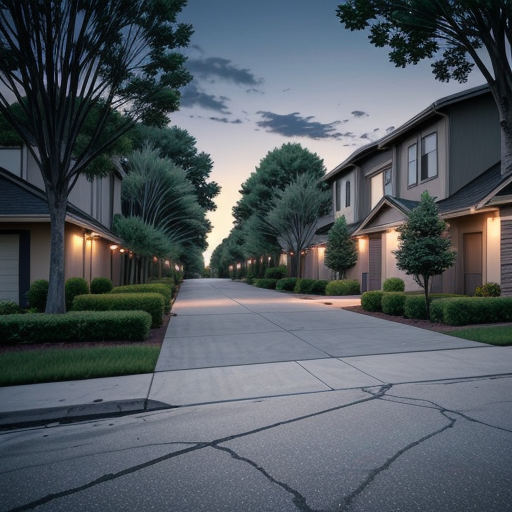
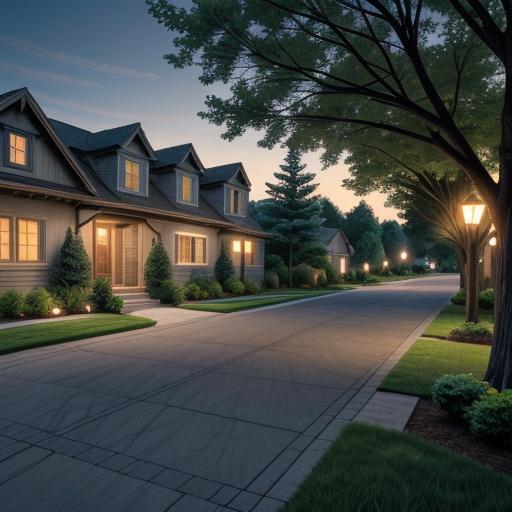
Before diving into the various types of security systems, it is essential to evaluate your specific needs. Consider factors such as the size of your home, the number of entry points, and the neighborhood you live in. Conduct an inventory of valuable possessions you want to protect and assess any past incidents of break-ins or neighborhood crime, as these can provide valuable insights into the level of security you should aim for.
2. Types of Home Security Systems
Home security systems generally come in two types: monitored and unmonitored systems. Monitored systems are linked to a central monitoring station that alerts authorities when an alarm is triggered. On the other hand, unmonitored systems require you to respond when the alarm goes off. Weigh the pros and cons of each type based on your lifestyle and budget.
3. Wired vs. Wireless Systems
Another significant factor to consider is whether to opt for a wired or wireless system. Wired systems are hardwired into your home and can be more reliable; however, they may require professional installation. Wireless systems are easier to install and can be mounted almost anywhere, but they may be susceptible to signal interference. Determine which option aligns best with your installation preferences and home layout.
4. Essential Features
Not all home security systems are created equal. Look for systems that offer essential features such as motion detectors, door/window sensors, surveillance cameras, and smart home integration. Modern systems often provide mobile app controls, enabling you to monitor and manage the security of your home remotely. Features like video doorbells and smart locks can further enhance your security and convenience.
5. Budget Considerations
Establishing a budget is vital when contemplating a home security system. Costs may include equipment purchases, installation fees, and monthly monitoring charges. It is essential to recognize that while cheaper systems may seem appealing, investing in a more robust system can provide greater peace of mind and long-term savings on potential security threats.
6. Read Reviews and Seek Recommendations
Before finalizing your decision, take the time to research various providers and read customer reviews. Personal recommendations from friends, family, or local real estate professionals can also provide valuable insights into which systems perform reliably and offer superior customer support.
7. Professional Installation vs. DIY
Deciding between professional installation and a DIY approach significantly impacts its effectiveness. While DIY security systems can save you money, professional installation ensures optimal placement and more effective functionality. Weigh the costs against the potential benefits before deciding on your installation method.
In conclusion, selecting the ideal home security system requires careful consideration of your unique needs, budget, and desired features. By thoroughly evaluating these factors and conducting diligent research, you can ensure that you make an informed choice to protect your home effectively. Never underestimate the importance of a robust security system; it is an investment in the safety of your home and the peace of mind you deserve.