Purchasing a home is likely one of the largest financial decisions you will make in your lifetime, and understanding how to determine its true value is crucial. Whether you're a first-time homebuyer or seasoned investor, becoming versed in the factors that impact a property's worth can help ensure a sound investment.
The first step in evaluating a home's value is to conduct a thorough market analysis. This involves examining recent sales of comparable properties in the area, known as 'comps'. Real estate agents often have access to comprehensive MLS data that will offer insights into local home values, pricing trends, and more. Leveraging this data allows you to determine the fair market value of a particular home, comparing it against others of similar size, age, location, and condition.
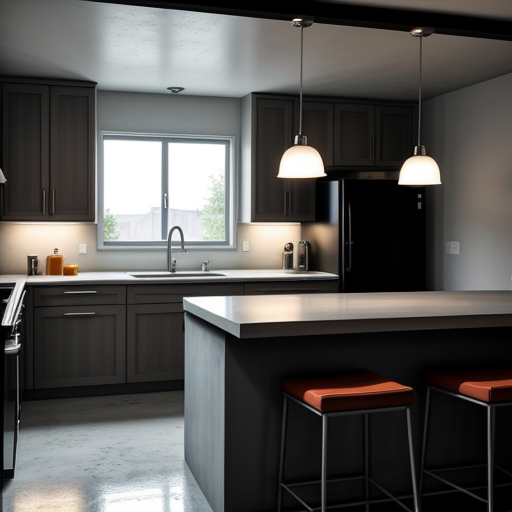
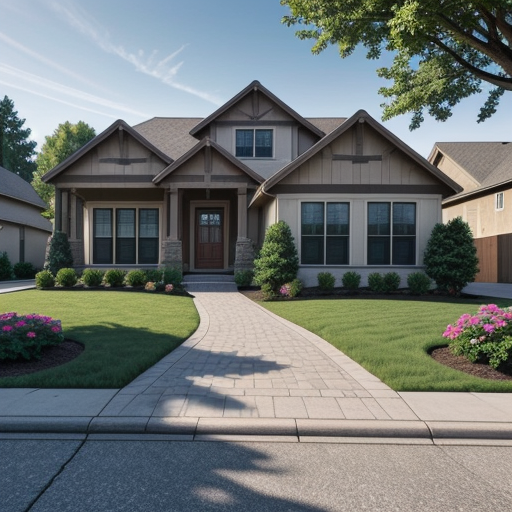
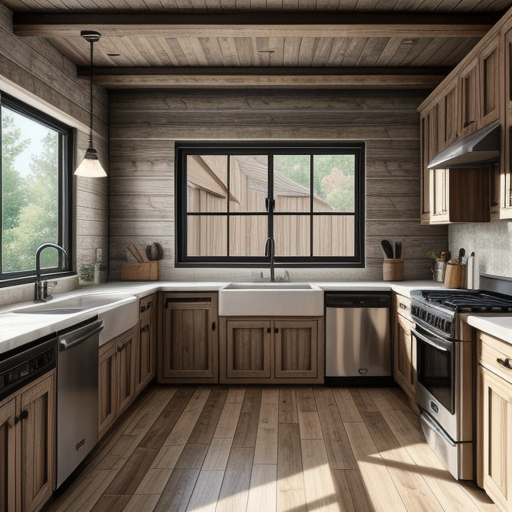
Another essential factor in determining a home's true value is the condition of the property itself. An appraisal report conducted by a licensed appraiser can provide a professional assessment, evaluating structural components, quality of construction, and necessary repairs or updates. The visual appeal of the property, both inside and out, also plays a significant role in its valuation.
Location is an integral aspect that directly influences a property's value. The proximity to amenities such as schools, shopping centers, public transportation, and employment hubs, as well as the quality of the neighborhood, can substantially impact a home's market value. Homes in desirable, up-and-coming neighborhoods often come with a premium price and have the potential for stronger appreciation over time.
Additionally, market conditions are pivotal when determining a home's true value. An understanding of whether you're in a buyer's or seller's market can influence pricing expectations and negotiation strategies. In a seller's market, demand often outpaces supply, which can drive prices higher, while a buyer's market typically offers more flexibility and opportunities for negotiating a better deal.
Moreover, online valuation tools offer a starting point for estimating a home’s value. However, these should be viewed as guidelines rather than definitive evaluations, as they often lack the nuance of in-person assessments and local market knowledge.
In summary, determining a home's true value requires a comprehensive approach that encompasses market analysis, property condition assessments, understanding of location dynamics, and current market trends. While these efforts can guide informed decision-making, working closely with seasoned real estate professionals will further enhance your ability to assess and negotiate the true value of a home effectively.