In today’s world, ensuring the safety of your home is more important than ever. With the rising potential for property crimes, choosing the right home security system is crucial for homeowners. This guide will walk you through the essential factors to consider when selecting a home security solution that best fits your needs.
1. Assess Your Security Needs
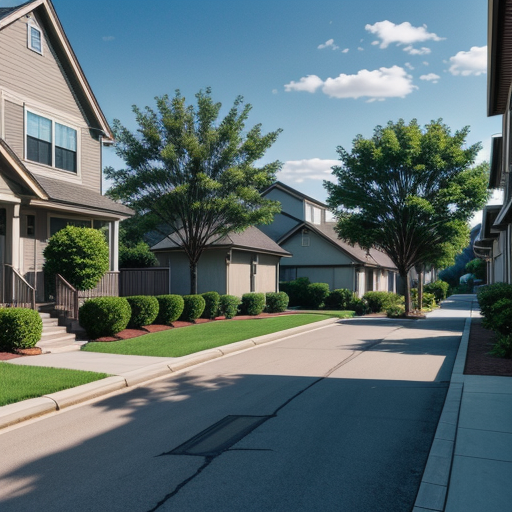
Before diving into the various systems available, it’s essential to assess your unique security needs. Consider factors such as your neighborhood’s crime rate, the size of your home, and the presence of valuables you’d like to protect. A thorough evaluation will allow you to determine the level of protection required for your family and property.
2. Types of Security Systems
Home security systems generally fall into two categories: monitored and unmonitored systems. Monitored systems are connected to a security company that alerts authorities in case of an emergency, while unmonitored systems rely on you or a neighbor to respond to alerts. Understanding these differences is key to selecting the right system for your lifestyle.
3. Features to Look For
Modern home security systems come equipped with a myriad of features. Look for systems offering key functionalities such as video surveillance, motion detectors, door/window sensors, and mobile app access. Extra features such as smart home integration and environmental sensors can also be beneficial in providing comprehensive protection.
4. DIY vs. Professional Installation
Deciding between a DIY installation or hiring professionals can significantly impact your experience. DIY systems typically offer more flexibility and often come at a lower cost, while professional installations ensure that systems are correctly set up and often come with additional support. Choose an option that aligns with your skill level and comfort.
5. Cost Considerations
Prices for home security systems can vary widely based on the features, installation options, and level of monitoring. It’s essential to review your budget and consider long-term costs, including monthly monitoring fees and potential equipment upgrades. Don’t forget to factor in savings from insurance discounts for having a security system in place.
6. Read Reviews and Compare Options
Once you've outlined your needs and budget, it's wise to read customer reviews and compare the offerings of several security companies. Look for feedback on system reliability, customer service, and ease of use. This research phase can provide valuable insights into the best systems available.
7. Look for Warranty and Support
When making your final choice, take note of the warranty offered by the manufacturer. A good warranty can assure you that your investment is protected. Also, ensure that the company provides reliable customer support. In times of urgency, being able to reach a knowledgeable representative is invaluable.
In conclusion, choosing the right home security system doesn’t have to be overwhelming. By assessing your specific needs, comparing features, and considering installation options, you can make an informed decision that will enhance your home’s security. Protecting your home and loved ones is a crucial step towards peace of mind, so take the time to choose wisely.