In today's real estate market, sustainability is more than just a trend; it's a necessity. As property managers and real estate agents, integrating sustainable practices into your property management plan can enhance property value, reduce operational costs, and attract environmentally-conscious tenants. Here, we outline a step-by-step guide to creating an eco-friendly property management strategy.
Assessing the Current State of Your Property The first step in creating a sustainable property management plan is to assess the existing state of your property. Conduct an energy audit to identify areas where energy is being wasted. Examine water usage, waste management practices, and the materials used within the property to identify opportunities for improvement. This foundational understanding will guide your sustainability efforts.
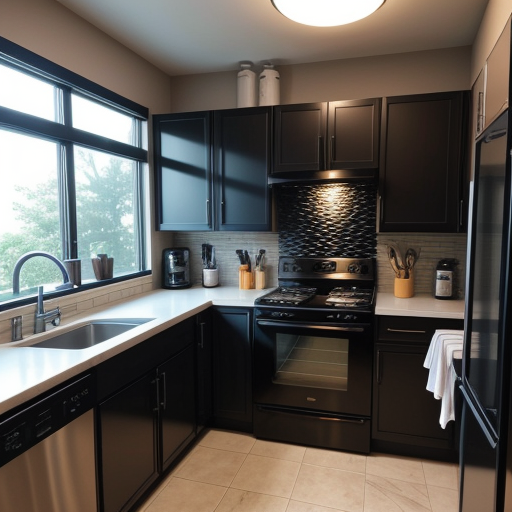
Implementing Energy-Efficient Solutions Energy efficiency is the cornerstone of any sustainable property management plan. Consider replacing traditional lighting with LED alternatives, installing programmable thermostats, and integrating energy-efficient appliances. By investing in insulation improvements and window upgrades, you can significantly reduce energy consumption.
Water Conservation Initiatives Water conservation is another critical component of a sustainable property strategy. Low-flow fixtures, dual-flush toilets, and irrigation systems with rain sensors can significantly decrease water usage. Encourage tenants to adopt water-saving habits and conduct regular maintenance checks to promptly fix leaks.
Waste Reduction Strategies Implement a comprehensive waste management program to minimize waste production and promote recycling. Provide separate bins for recyclables and compostable materials and educate tenants about proper waste segregation. Partner with waste management companies that prioritize eco-friendly disposal methods.
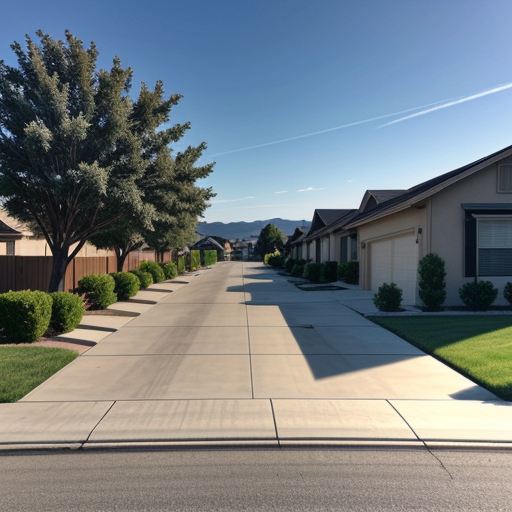
Sustainable Landscaping Landscaping can play a significant role in creating a sustainable property. Incorporate native plants that require less water and maintenance. Use organic fertilizers and pest control methods to reduce chemical use. Consider installing permeable pathways to ensure efficient rainwater absorption and reduce runoff.
Engaging Tenants in Sustainable Practices Engagement is key to the success of any sustainability program. Educate tenants about the importance of sustainable practices and encourage them to participate actively. Provide regular updates on sustainability goals and achievements to maintain interest and motivation.
Monitoring and Adjusting the Plan Finally, regularly monitor the effectiveness of your sustainable property management plan. Track energy usage and waste production metrics to measure progress. Be prepared to adjust strategies as needed to align with new technologies and evolving regulatory requirements.
Creating a sustainable property management plan benefits the environment and can enhance tenant satisfaction and overall property value. By taking proactive steps today, you can ensure a more sustainable and profitable future for your properties.