Increasing your home's energy efficiency is not only an excellent way to save on utility bills but also contributes to a more sustainable environment. Homebuyers and homeowners alike can benefit from understanding how to implement energy-efficient practices in their living spaces. Here are several strategies you can adopt to enhance the energy efficiency of your home.
1. Assess Your Home's Energy Use
Before making any upgrades, it's crucial to evaluate your current energy consumption. Conducting an energy audit helps identify the areas where energy loss occurs, such as improperly sealed windows and doors or outdated appliances. Many utility companies offer free or discounted energy audits, making this a beneficial first step.
2. Upgrade Your Insulation
Proper insulation is a key factor in maintaining a comfortable temperature in your home. Attic, wall, and floor insulation can prevent heated or cooled air from escaping, which minimizes the need for heating and cooling systems to work as hard. Consider using materials like spray foam, cellulose, or fiberglass to improve your home’s insulation.
3. Choose Energy-Efficient Appliances
When purchasing new appliances, opt for those with the Energy Star certification. These appliances meet energy efficiency guidelines set by the U.S. Environmental Protection Agency and can significantly reduce energy consumption. Looking for high-efficiency washing machines, refrigerators, and HVAC systems can make a notable impact on your energy bills.
4. Install Energy-Efficient Windows
Older windows can be a major source of energy loss. To improve your home’s efficiency, consider installing double or triple-pane windows with low-E (low emissivity) coatings. These feature insulating gas between the panes to reduce heat transfer and glare, keeping your home comfortable year-round.
5. Utilize Smart Home Technology
Smart thermostats and smart home devices can help monitor and manage energy use effectively. These innovative tools allow you to control your home’s heating and cooling remotely and can learn your schedule to optimize usage when needed. Integrating smart technology into your energy management practices can lead to significant savings over time.
6. Adopt Renewable Energy Solutions
Consider investing in renewable energy sources, such as solar panels. Though there is an upfront cost, the long-term savings on your energy bills and potential tax incentives can make this a worthwhile investment. Additionally, generating your own energy contributes to a more sustainable lifestyle.
7. Change Your Lighting
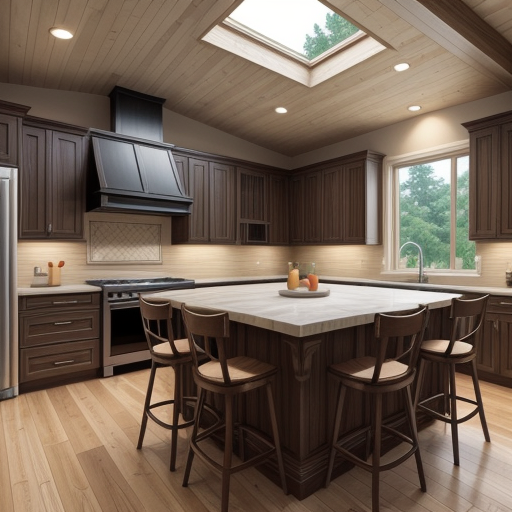
Switching to LED bulbs is another simple yet effective way to enhance your home’s energy efficiency. LEDs use up to 80% less energy than traditional incandescent bulbs and last significantly longer. Incorporating natural light by utilizing windows and skylights can further decrease your reliance on artificial lighting.
By implementing these strategies, homeowners can improve energy efficiency. Not only is this beneficial for your wallet, but it also contributes positively to the environment. Whether you're looking to sell your home or simply make it more comfortable and cost-effective, energy efficiency should be high on your list of priorities. Consider these upgrades an investment in your property’s value and your overall quality of life.