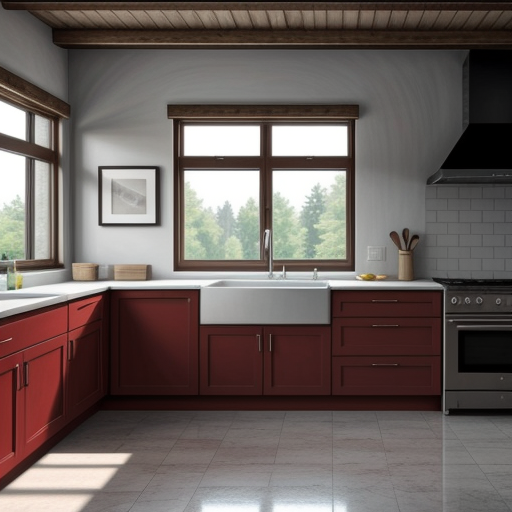
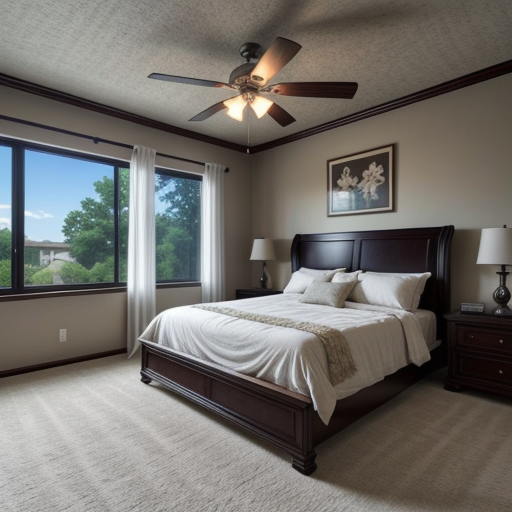
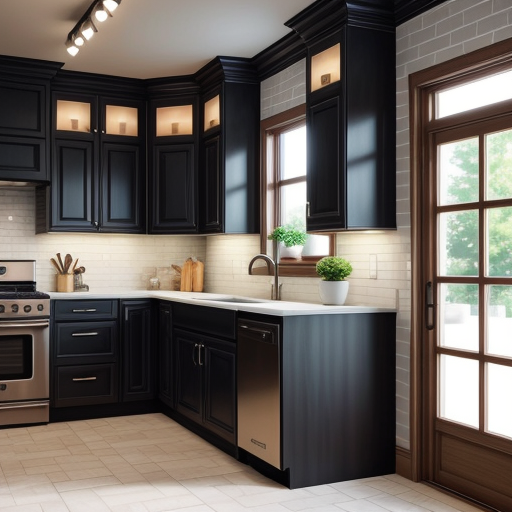
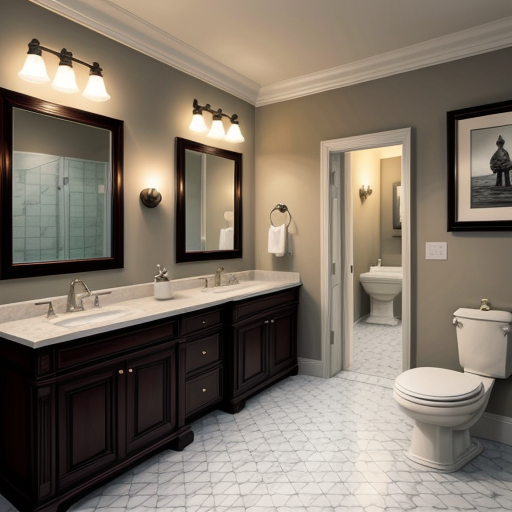
Renovating a home can be an exciting journey, but without a well-planned budget, costs can quickly spiral out of control. Creating a careful and calculated budget is crucial to ensure your project runs smoothly, stays on track, and doesn’t strain your finances.
Start By Setting Clear Objectives
Before diving into the numbers, it's essential to define what you wish to achieve with your renovation. Whether you want to increase the resale value of your home, enhance your living space for comfort, or take on necessary repairs, having a clear goal will guide your budgeting process.
Research and Gather Estimates
Once you have identified your objectives, research what similar renovations cost. Consult with contractors, use online resources, and talk to friends or neighbors who have completed similar projects. Gathering multiple estimates will provide a realistic view of potential costs.
Prioritize Your Needs and Desires
List out all the elements you hope to include in your renovation and categorize them into needs and desires. Prioritizing will help ensure that the most critical components are addressed first, leaving lesser essentials to be adjusted based on budget flexibility.
Allocate Funds for Unexpected Expenses
Unexpected expenses are a common reality in any renovation project. It's prudent to set aside a buffer, typically around 10-15% of your total budget, to cover unforeseen matters without derailing your project.
Explore Financing Options
If your renovation project exceeds the funds you have available, consider different financing options. Personal loans, home equity loans, or lines of credit are popular choices. Make sure to thoroughly understand the terms and conditions of any financial commitment you undertake.
Consult with Professionals
Engage financial advisors or accountants if necessary, to assist in setting a realistic budget based on your current financial situation. Professional guidance can prevent budgetary overextensions and provide peace of mind.
Regularly Monitor Expenses
Once renovations are underway, keep a close eye on expenditures. Regular monitoring will help you stay within budget and make necessary adjustments promptly. Use spreadsheets or budgeting apps to track spending effectively.
Creating a budget is a fundamental step in any renovation process. By setting clear objectives, prioritizing needs, preparing for unexpected costs, and regularly monitoring progress, you can ensure a successful renovation that respects your financial boundaries and meets your expectations.