In today's world, energy efficiency has become a key consideration for homeowners. Not only does it contribute to environmental sustainability, but it also promises significant cost savings over time. Whether you are preparing your home for the market or simply seeking to reduce your monthly utility bills, increasing your home's energy efficiency can be a worthwhile investment.
Start by conducting an energy audit to pinpoint where your home might be losing energy. Many local utility companies offer free audits to help homeowners identify problem areas. Once you know where improvements are needed, prioritize them according to your budget and potential energy savings.
Insulation is often the best place to begin. Ensuring your walls and attic are properly insulated can prevent heat loss during the colder months and keep your home cooler during the summer. Sealing air leaks around windows, doors, and other openings, such as ducts, vents, and electrical outlets, can also significantly enhance your home's energy retention.
Upgrading to energy-efficient windows is another effective strategy. Look for windows with a low U-factor and low-emissivity coatings that reduce heat transfer. Replacing older light bulbs with LEDs or compact fluorescents (CFLs) is a simple yet impactful change.
Consider investing in Smart Home technology. Programmable thermostats, smart lights, and zoning systems can be tailored to your lifestyle, optimizing energy use based on your daily activities.
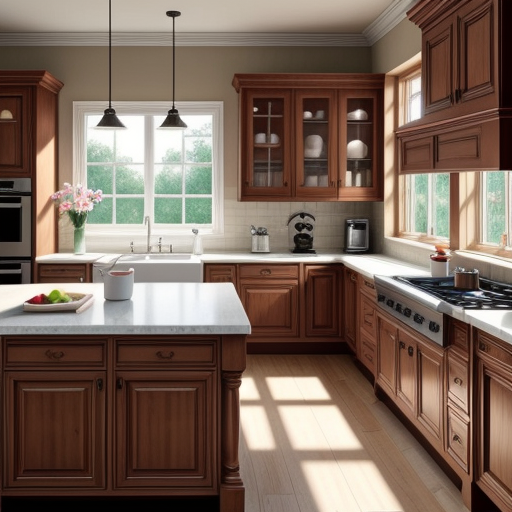
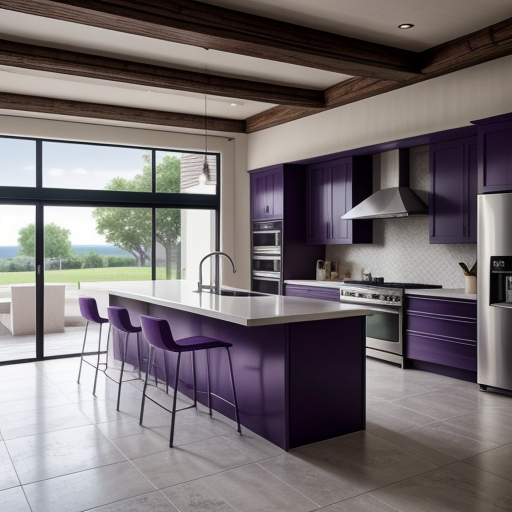
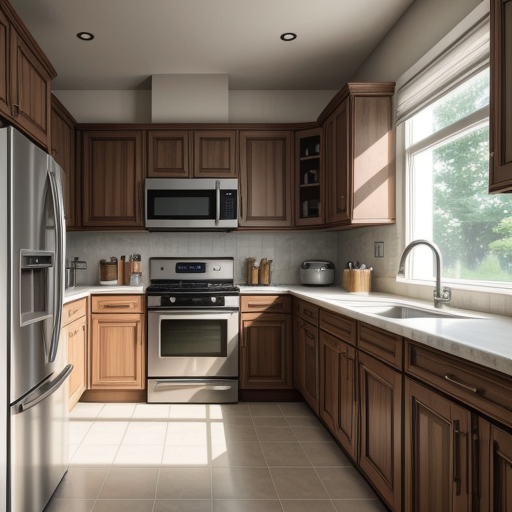
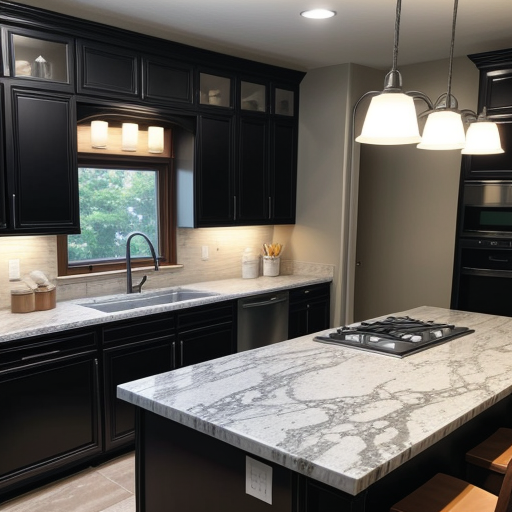
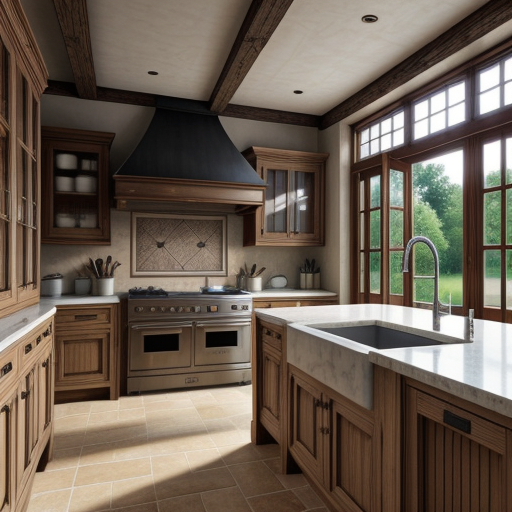
Appliances are a major source of energy consumption, so consider replacing older models with those that boast an Energy Star rating. These appliances use significantly less energy than their traditional counterparts without sacrificing performance.
Water heating is another area where savings can be made. Installing low-flow showerheads and faucet aerators reduces water use. Insulating your water heater and setting it to a lower temperature can also result in substantial cost reductions.
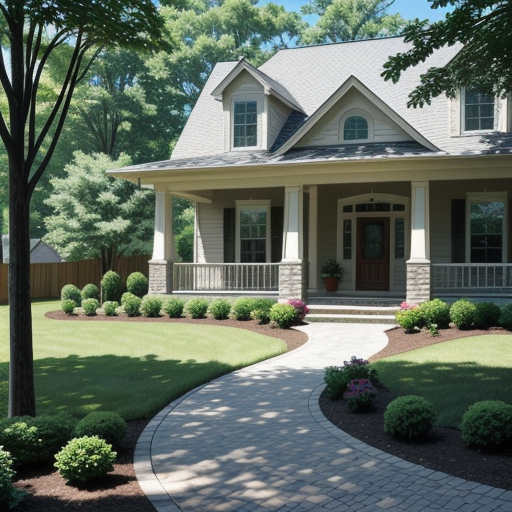
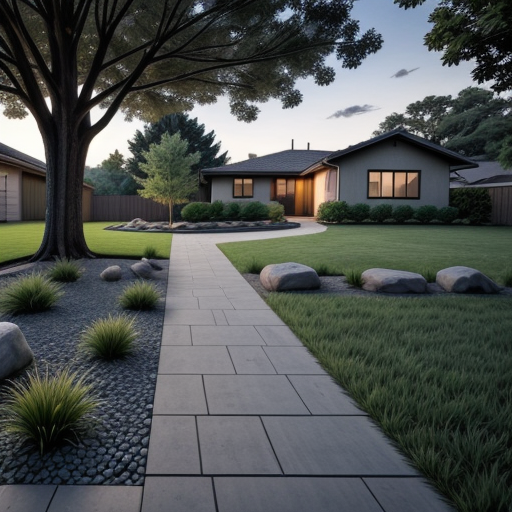
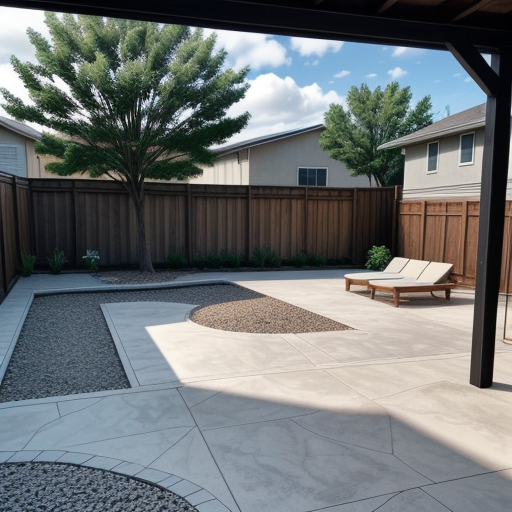
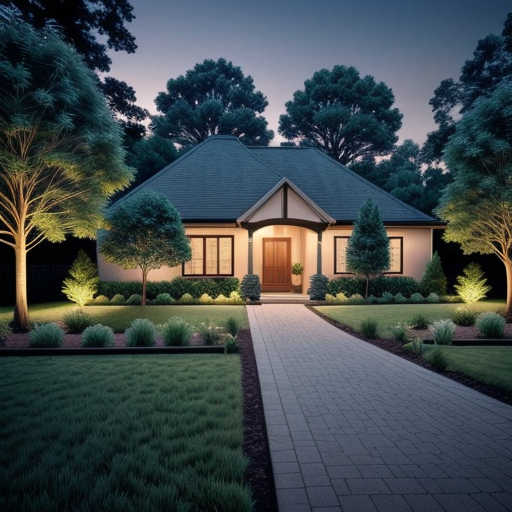
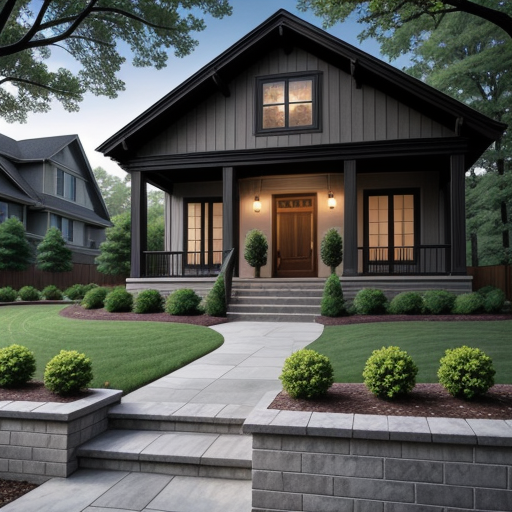
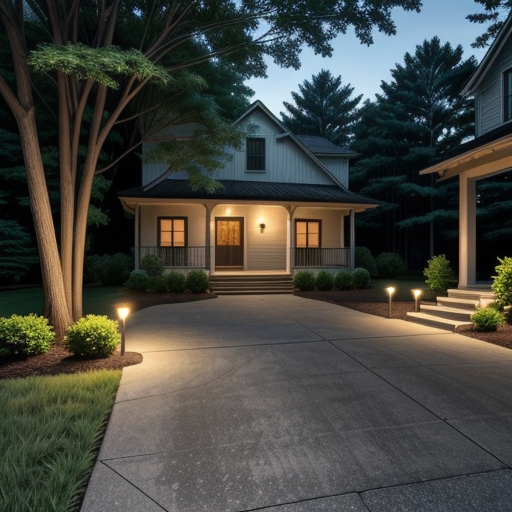
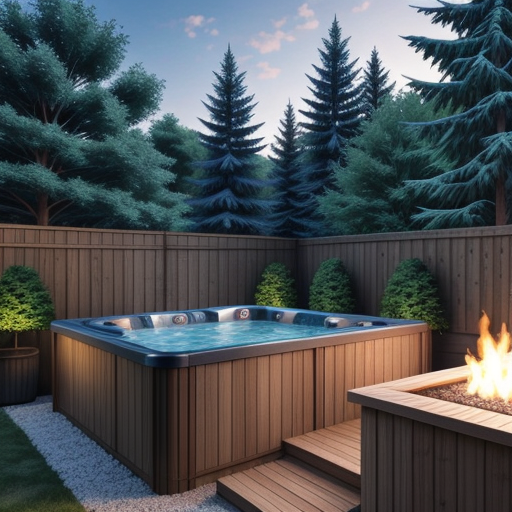
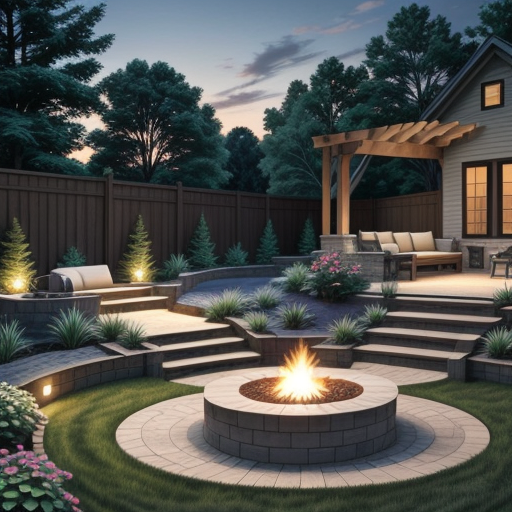
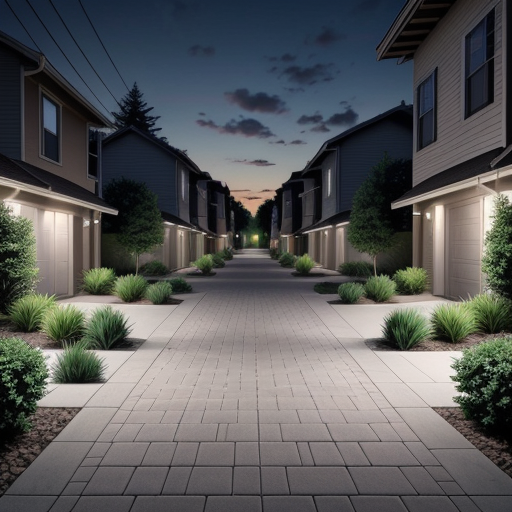
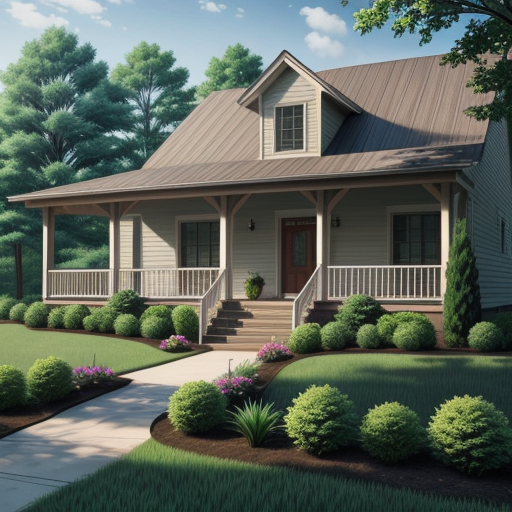
Landscaping can also contribute to energy efficiency. Strategically planted trees and shrubs can provide shade during the summer and wind protection during the winter, reducing your reliance on heating and cooling systems.
Lastly, consider renewable energy options, such as solar panels. While the initial investment might be significant, the long-term savings and potential rebates or tax incentives can make it worthwhile.
By taking these steps to enhance your home’s energy efficiency, you not only improve your property’s appeal to environmentally conscious buyers but also reap the benefits of reduced utility bills and a more comfortable living environment.