Designing a sustainable home is not just a trend; it’s a necessary step towards preserving our planet for future generations. Homebuyers and builders are increasingly incorporating eco-friendly practices into their designs to minimize their environmental footprint. This guide will provide you with practical tips and strategies on how to design a sustainable home that not only benefits the environment but also saves you money in the long run.
1. Energy Efficiency
When designing a sustainable home, one of the primary considerations is energy efficiency. Begin by ensuring that the building envelope—walls, floors, and roof—is well-insulated, which reduces the need for excessive heating or cooling. Choose energy-efficient windows and doors to prevent air leaks, and invest in energy-efficient appliances and lighting, such as LED bulbs. Additionally, consider installing a programmable thermostat to optimize energy use.
2. Renewable Energy
Harnessing renewable energy sources significantly contributes to a home’s sustainability. Solar panels are a popular option for generating electricity. They not only reduce reliance on non-renewable energy sources but can also offer financial incentives through tax credits and savings on energy bills. Wind turbines and geothermal heating systems are other alternatives to explore, dependent on your location and budget.
3. Water Conservation
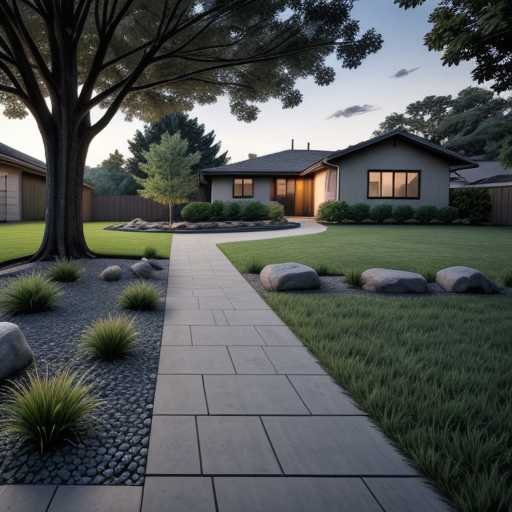
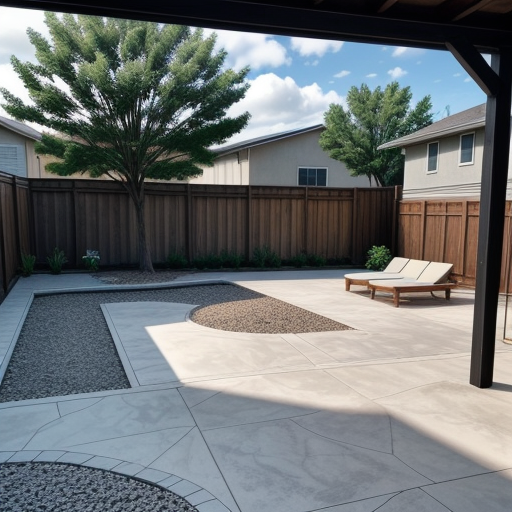
Incorporating water-saving measures is crucial in sustainable home design. Install low-flow fixtures, such as faucets, showerheads, and toilets, to reduce water usage. Consider implementing a rainwater harvesting system for irrigation and non-potable water needs. Xeriscaping, or designing landscapes to minimize water use, is another effective method to conserve this precious resource.
4. Sustainable Materials
Choose construction materials that are sustainable, durable, and have a low environmental impact. Consider using recycled or reclaimed materials wherever possible. Bamboo, cork, and reclaimed wood are excellent choices for flooring. Incorporate non-toxic paints and finishes that emit low volatile organic compounds (VOCs) to improve indoor air quality.
5. Smart Home Technologies
Integrating smart home technologies can significantly enhance a home's sustainability. Smart thermostats, lighting systems, and appliances can be controlled remotely and programmed to operate only when needed, leading to energy savings. Additionally, smart irrigation systems can monitor weather conditions and soil moisture to optimize water use.
6. Indoor Air Quality
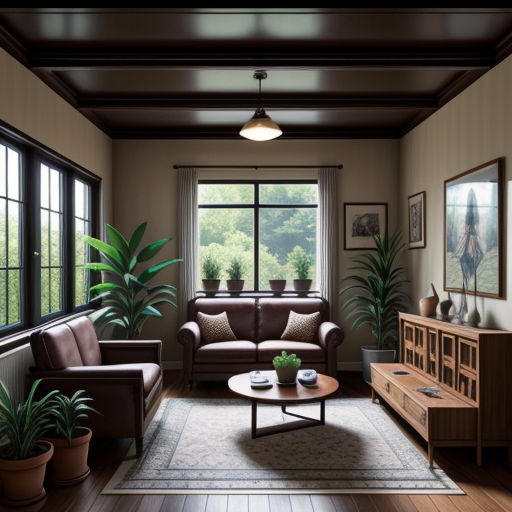
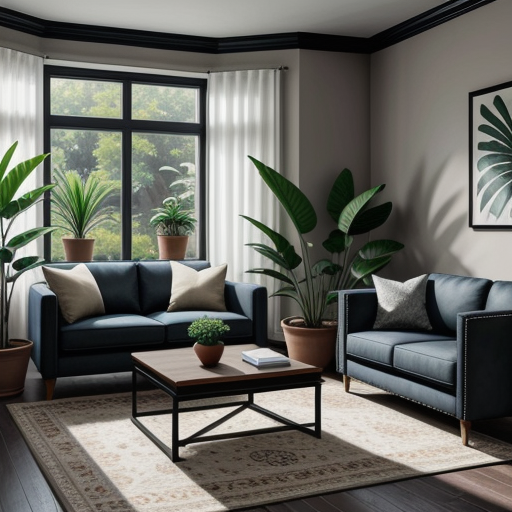
Improving indoor air quality is an essential aspect of sustainable home design. Use ventilation systems that provide fresh outdoor air while removing stale indoor air. Consider adding indoor plants that naturally purify the air and improve humidity levels. Select furnishings that do not emit harmful chemicals.
Designing a sustainable home is a commitment to a healthier lifestyle and environment. By incorporating these strategies, you can create a home that is comfortable, cost-effective, and eco-friendly. As awareness grows and technology advances, sustainable home design will not only become more accessible but also increasingly vital to our world’s well-being.