In today's world, where energy costs are steadily rising, increasing your home's energy efficiency is not only beneficial for the environment but also for your wallet. Homeowners looking to improve their energy efficiency can undertake various cost-effective measures that lead to immediate savings and long-term benefits.
One of the simplest ways to begin enhancing your home's energy efficiency is by conducting an energy audit. This comprehensive assessment helps identify areas where energy is being wasted. You can perform a DIY audit or hire a professional who can offer an in-depth analysis of your home’s energy use.
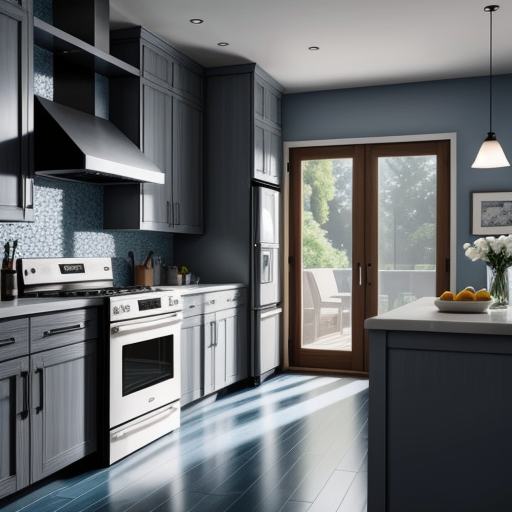
Another effective strategy is to invest in energy-efficient appliances. While the upfront cost may be higher, Energy Star-rated appliances use significantly less energy than their traditional counterparts, leading to substantial savings on utility bills over time. Look for major appliances such as refrigerators, washing machines, and dishwashers that have received energy-efficient certifications.
Insulation plays a crucial role in maintaining your home’s temperature while minimizing heating and cooling expenses. Ensure your home is properly insulated in areas such as the attic, walls, and floors. Additionally, seal any drafts around windows and doors to prevent heated or cooled air from escaping, which can drastically improve your home’s comfort and energy performance.
Consider upgrading your windows. Energy-efficient windows can reduce heat transfer, keeping your home cooler in the summer and warmer in the winter. Look for double-glazed windows that come with low-emissivity (low-e) glass coatings. These options can significantly cut down on your energy usage and enhance your home’s value.
Switching to LED lighting is another straightforward method to save energy. LED bulbs consume up to 75% less energy than traditional incandescent bulbs and last significantly longer. By making this simple switch in your home, you can reduce energy consumption and lower your electricity bill.
Implementing smart home technology can also contribute to enhancing energy efficiency. Smart thermostats, for instance, allow you to regulate your home's temperature more effectively, learning your habits and adjusting accordingly. You can also control your heating and cooling systems remotely, ensuring optimal energy use.
In conclusion, increasing your home's energy efficiency is a multifaceted approach that can lead to significant long-term savings. By conducting an energy audit, investing in energy-efficient appliances, ensuring proper insulation, upgrading windows, switching to LED lighting, and utilizing smart technology, homeowners can take proactive steps towards a more efficient and sustainable living space. Embarking on these improvements not only helps the environment but also enhances your property's appeal and market value in the long run.