When considering the purchase of a home, evaluating its potential resale value should be a key part of your decision-making process. Understanding this value can provide insights into the long-term investment quality of the property. Here are some important factors to consider when assessing a home's resale value.
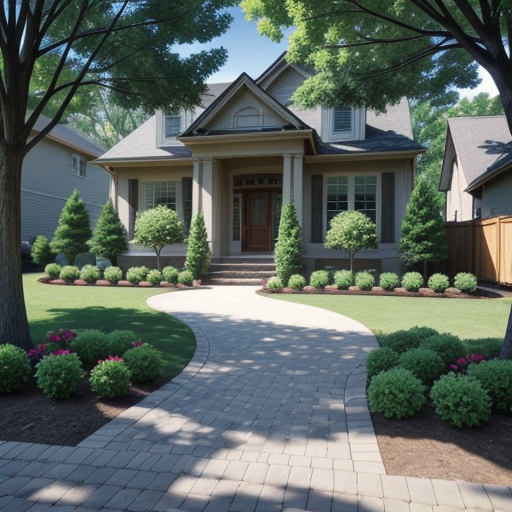
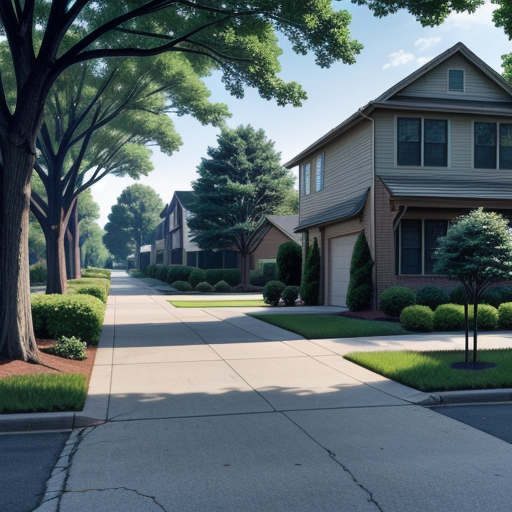
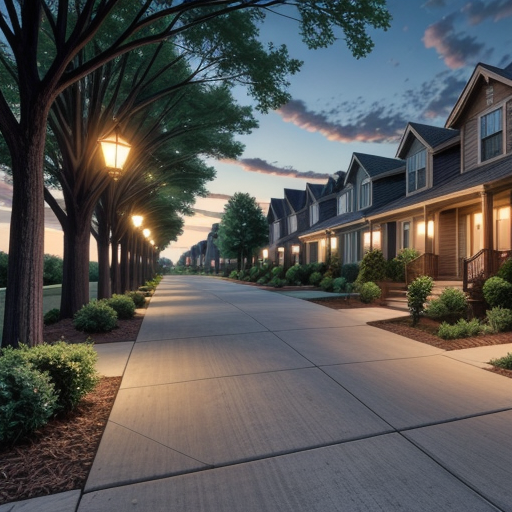
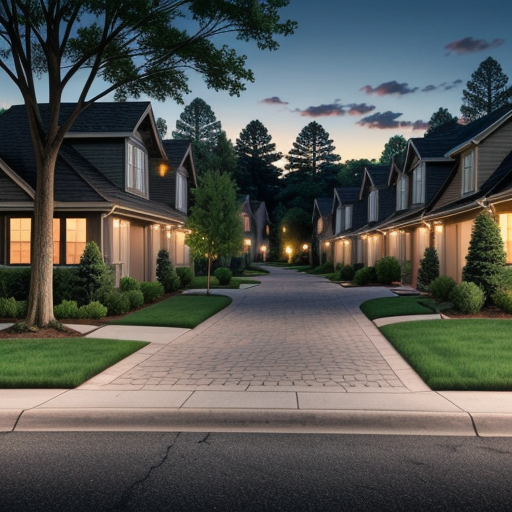
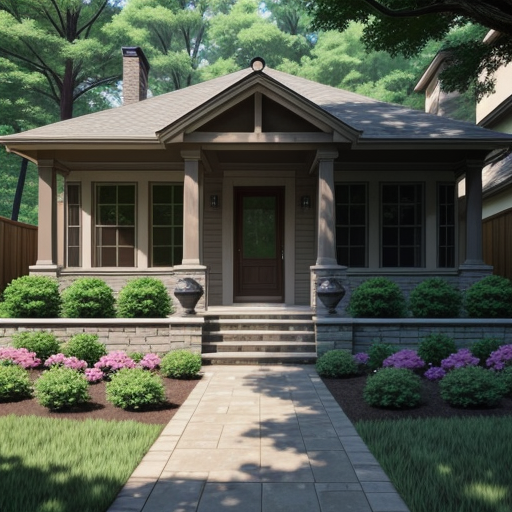
Location and Neighborhood Dynamics One of the most significant factors influencing a home's resale value is its location. Homes situated in desirable neighborhoods with good schools, low crime rates, and convenient access to amenities tend to retain or appreciate in value over time. Investigate the area's growth projections and any upcoming developments that may affect property values.
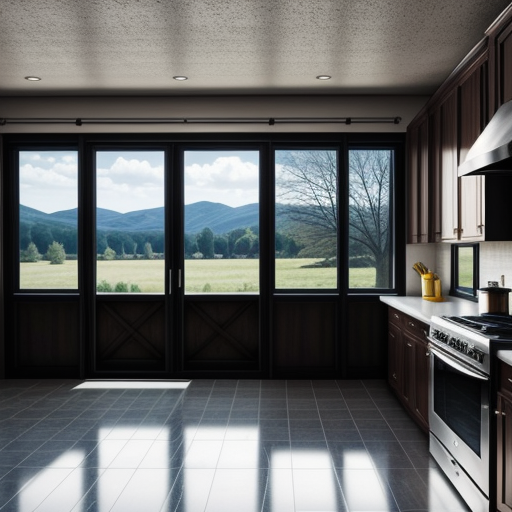
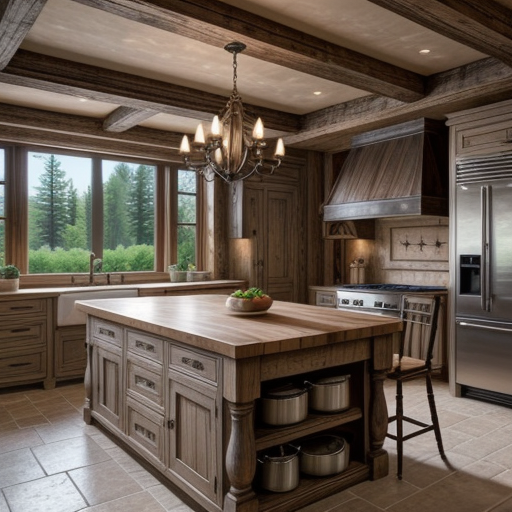
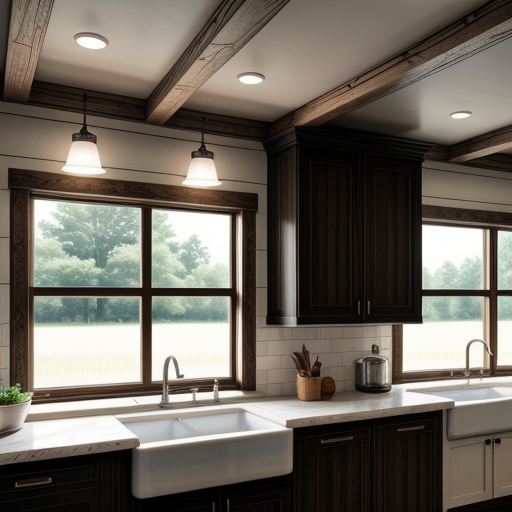
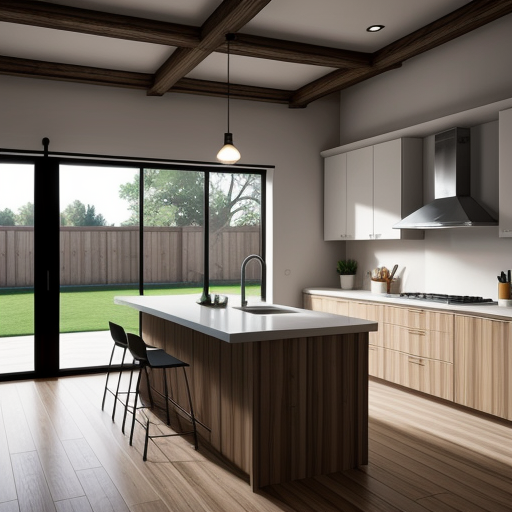
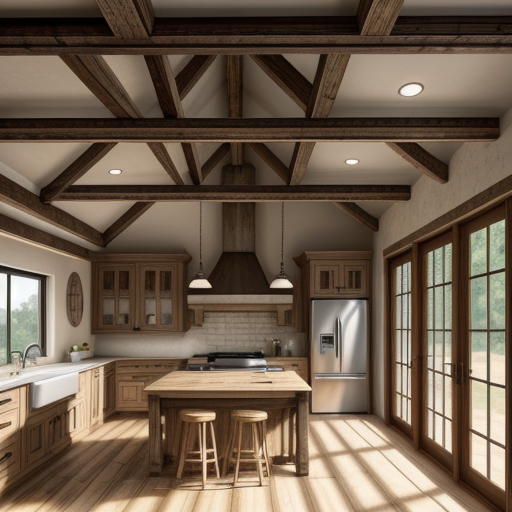
Home Condition and Maintenance The physical condition of the home plays a vital role in its resale value. A well-maintained property with modern upgrades, such as a renovated kitchen or updated bathrooms, is more likely to attract buyers and achieve a higher resale price. Conversely, homes requiring significant repairs or updates may struggle in the market. Consider the age of major systems like the roof, plumbing, and electrical work, as replacing these can be costly.
Comparative Market Analysis (CMA) A Comparative Market Analysis is a crucial tool for understanding a home’s value. By examining the sale prices of similar homes in the area (known as comparables), you can gauge what buyers are willing to pay. Look for homes with similar characteristics—such as square footage, style, and age—that have sold recently. This analysis can help you estimate an appropriate offer or budget for future resale.
Market Trends Real estate markets can fluctuate due to economic conditions, interest rates, and buyer demand. Stay informed about local market trends and indicators that suggest whether the market is favoring buyers or sellers. A booming market can enhance resale value, while a declining market may pose risks to long-term appreciation.
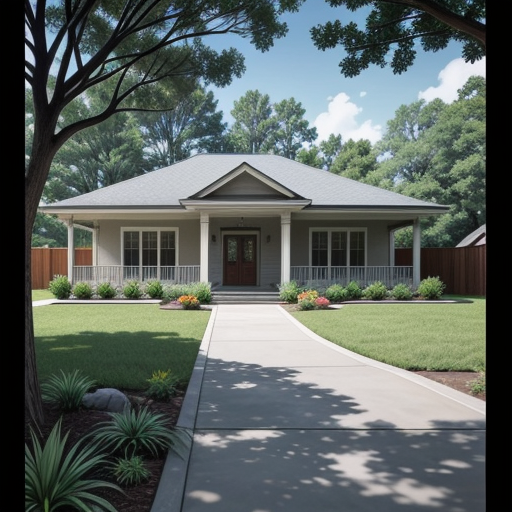
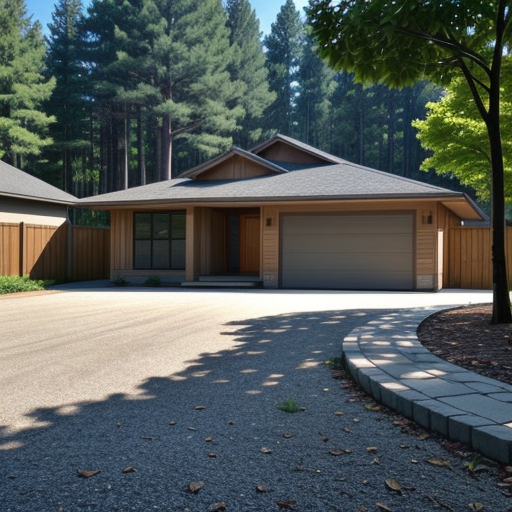
Property Features Features such as outdoor space, energy efficiency, and modern amenities can greatly affect a home's appeal and potential resale value. Energy-efficient appliances and sustainable features like solar panels may attract environmentally-conscious buyers and offer cost-saving advantages.
Local Regulations and Future Development Civic planning, zoning regulations, and potential future developments can impact property values. Research to find out about any significant planned developments in the area, such as new schools, commercial establishments, or public transportation options. This information can help you make an informed decision about the home’s investment potential.
Long-Term Vision Finally, consider your long-term plans. If you intend to live in the home for many years, you might focus more on personal preferences rather than immediate resale value. However, even in your long-term planning, keep in mind how your changes and improvements will affect the home’s potential future market value.
In conclusion, evaluating a home's resale value involves a multi-faceted approach that takes into account various factors including location, condition, market analysis, and future trends. By performing careful analysis and research, you will be better equipped to make an informed buying decision, potentially leading to a profitable resale in the future.