Evaluating a home’s resale value is a critical step for prospective buyers looking to make a sound real estate investment. Understanding what factors influence a property's future marketability can help you make informed decisions and maximize your potential returns.
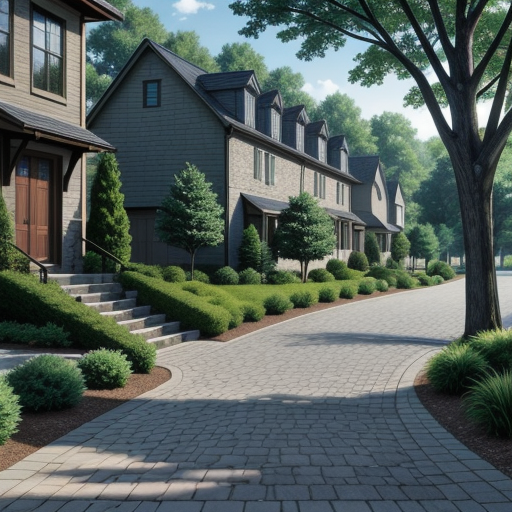
Firstly, location remains the cornerstone of any real estate investment. The adage "location, location, location" holds true as neighborhood dynamics greatly affect a home's resale value. Consider proximity to schools, public transportation, shopping centers, and healthcare facilities, as these amenities enhance a property’s appeal to future buyers.
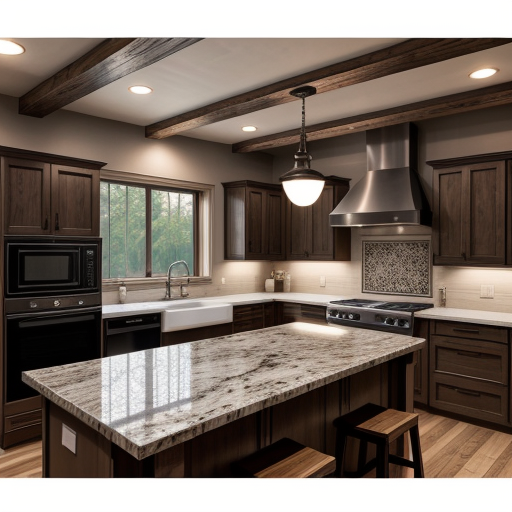
Secondly, the condition and age of the home are crucial indicators of its potential resale value. Homes with modern upgrades, well-maintained systems, and energy-efficient features often command higher resale prices. Routine maintenance records and quality of construction also play a significant role in forecasting future value.
Real estate market trends in the area should not be overlooked. Investigating recent sales data, price per square foot, and the rate of appreciation in the neighborhood provides insight into how the market may evolve in the coming years.
Additionally, consider the layout and functional aspects of a home. Properties with popular features such as open floor plans, ample natural lighting, and sufficient storage space are likely to have stronger resale value, as these elements meet diverse lifestyle needs.
Lastly, evaluate external factors such as future developments, zoning laws, and economic growth forecasts in the area. Projects that increase the local area’s desirability typically have a positive impact on property values.
By systematically assessing these factors, homebuyers can better predict the future value of a property, ensuring a wise and lucrative investment decision.