In an era where environmental consciousness and cost-saving measures are more significant than ever, improving your home's energy efficiency is a beneficial pursuit. Not only does it contribute to reducing your carbon footprint, but it also has the potential to considerably lower your utility bills. Whether you're looking to make minor adjustments or undertake a more extensive overhaul, here are some actionable strategies for enhancing your home's energy efficiency.
1. Conduct an Energy Audit
Before implementing any changes, it's pivotal to understand your home's current energy usage. Engaging a professional to perform an energy audit can provide you with a detailed assessment of how much energy your home uses and identify areas where you can improve efficiency. Many utility companies offer this service, often free or at a reduced cost, providing an invaluable foundation for your efficiency upgrades.
2. Upgrade to Energy-Efficient Appliances
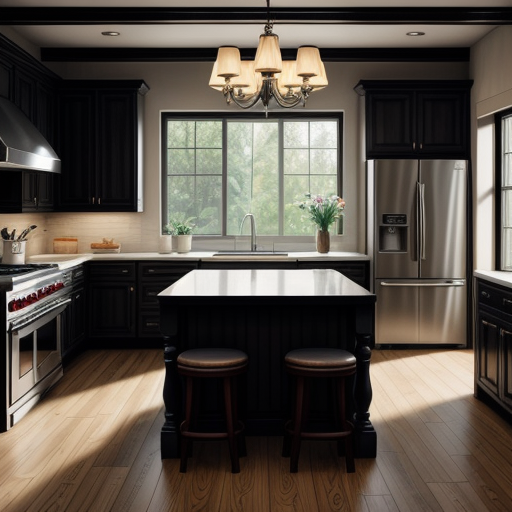
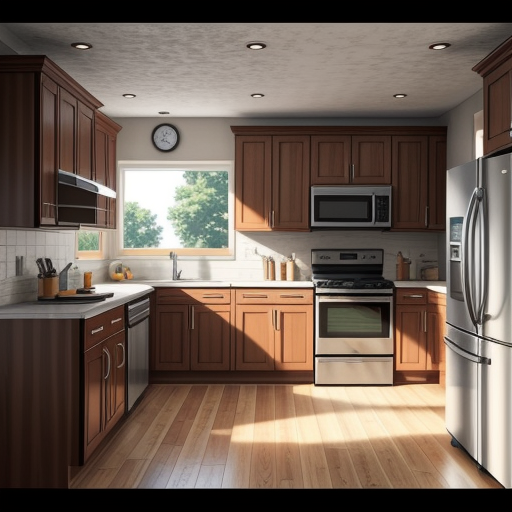
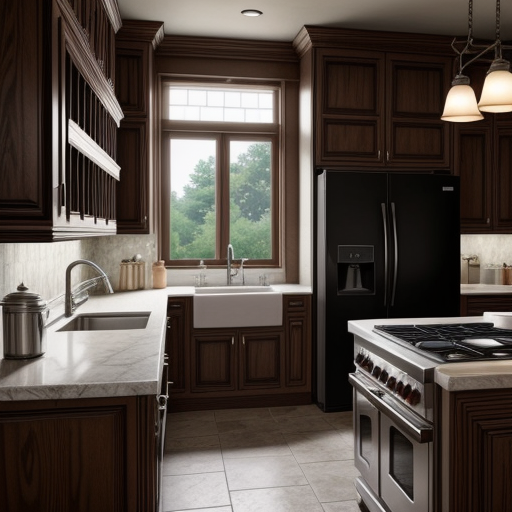
Appliances account for a significant portion of a household's energy consumption. When it's time to replace them, opt for Energy Star-rated models, which are designed to use less electricity and water compared to standard models. From refrigerators to washing machines, these appliances not only perform efficiently but also contribute to lower energy costs over time.
3. Improve Insulation and Seal Leaks
One of the main culprits of energy loss is poor insulation. Ensure your home is well-insulated, particularly in the attic, walls, and floors. Additionally, sealing potential leaks in windows, doors, and ductwork can prevent air from escaping, thus maintaining a consistent indoor temperature and reducing the need for heating and cooling.
4. Adopt Smart Thermostat Technology
Installing a smart thermostat can lead to substantial energy savings, as it allows you to control your home's temperature remotely and schedule heating and cooling periods according to your daily routine. By optimizing your heating and cooling use, you decrease energy waste and save money on your energy bills.
5. Incorporate Renewable Energy Solutions
If you're ready to make a more significant investment, consider installing solar panels. Although the initial cost can be substantial, tax incentives and long-term savings make solar energy an attractive option for many homeowners. Solar panel systems can significantly reduce or even eliminate your electricity bills while increasing your property's value.
6. Implement Energy-Saving Lighting Solutions
Switching to LED light bulbs from traditional incandescent bulbs can substantially reduce your energy consumption. LEDs consume less power and have a longer lifespan, making them a more sustainable and cost-effective lighting option.
In conclusion, enhancing your home's energy efficiency is a multifaceted endeavor that can provide substantial environmental and economic benefits. By conducting an energy audit, upgrading appliances, improving insulation, adopting smart technologies, and considering renewable energy sources, you can transform your home into a more efficient and eco-friendly haven.