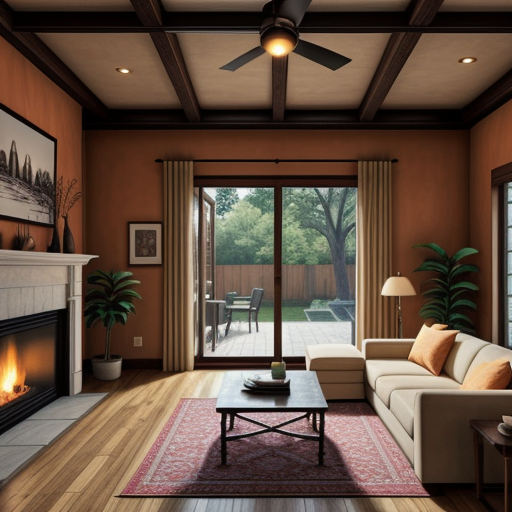
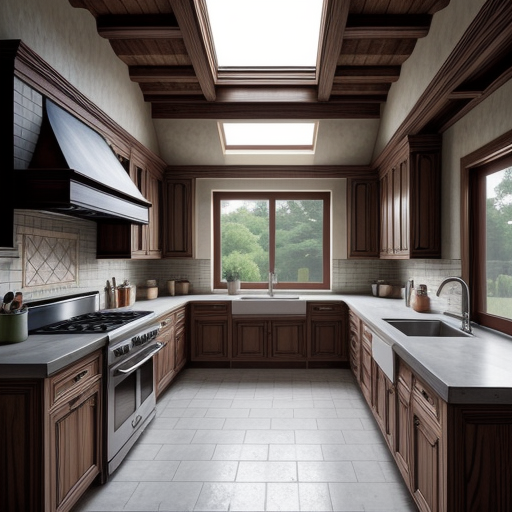
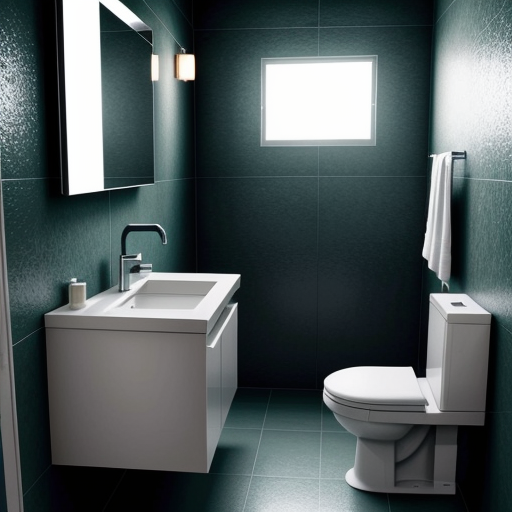
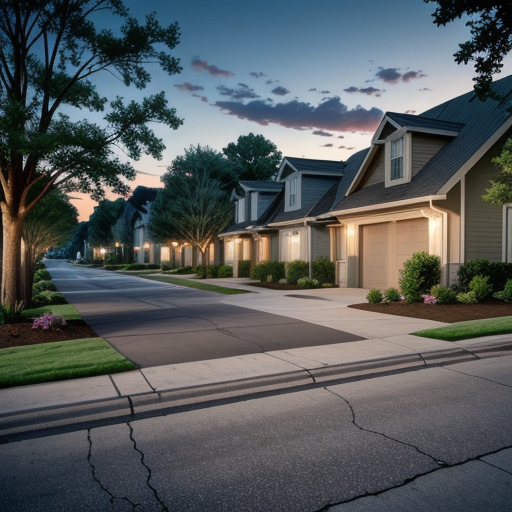
Maintaining a property efficiently is crucial for preserving its value, ensuring a safe environment, and minimizing long-term costs. Whether you're a homeowner or an investor, implementing a robust maintenance strategy is paramount. Here are some essential tips to help you manage your property effectively.
1. Regular Inspections: Conducting regular inspections of your property enables you to identify and address issues before they become major problems. This includes inspecting the roof, plumbing, electrical systems, and HVAC units. Establish a schedule, such as quarterly or bi-annual inspections, to stay proactive.
2. Seasonal Maintenance: Each season brings its own set of challenges. In the spring, focus on cleaning gutters, inspecting the roof for damage, and servicing the HVAC system before the summer heat arrives. For fall, prepare for colder months by insulating pipes, sealing windows, and cleaning chimneys.
3. Budget for Repairs: Financial preparedness is key. Set aside a portion of your budget specifically for repairs and maintenance. Unexpected repairs can be costly, and having a dedicated fund ensures that you're not caught off guard.
4. Keep Detailed Records: Maintain detailed records of all maintenance activities, including dates, expenditures, and service providers. This helps track the history of the property, simplifies warranty claims, and can be invaluable when selling the property.
5. Hire Professional Services: While DIY maintenance can save money, certain tasks require professional expertise. Hiring licensed contractors for plumbing, electrical, and structural repairs ensures that the work is done safely and complies with local building codes.
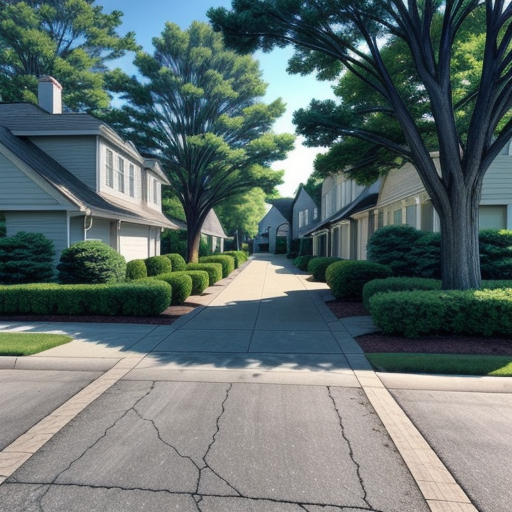
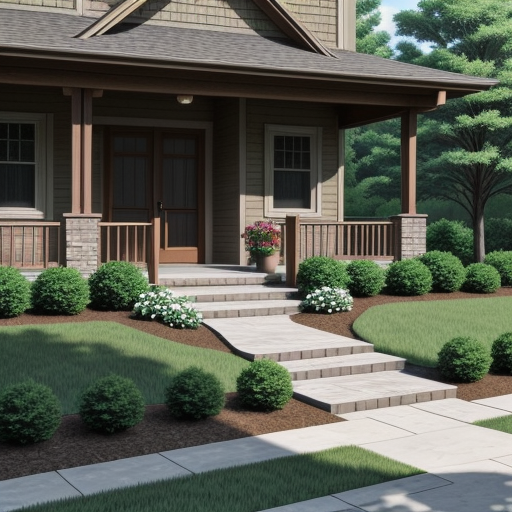
6. Enhance Curb Appeal: Regularly maintaining the exterior of your property not only improves curb appeal but can also prevent larger issues. Landscaping, exterior painting, and pressure washing are effective ways to keep the property looking its best.
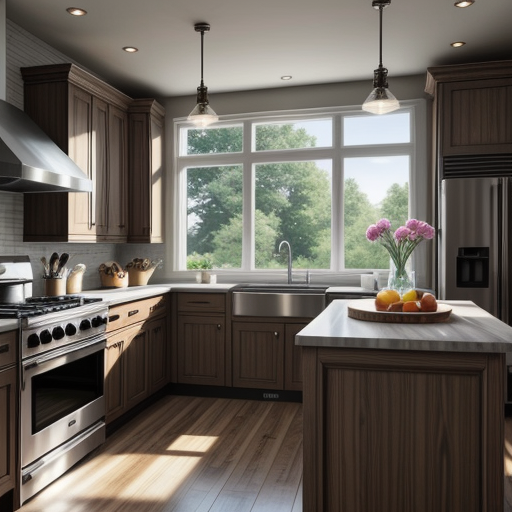
7. Implement Energy-Efficient Upgrades: Investing in energy-efficient upgrades, such as LED lighting, smart thermostats, and energy-efficient appliances, can reduce utility bills and attract environmentally-conscious tenants or buyers.
8. Educate Tenants: If you own rental properties, educating tenants about proper maintenance habits can prevent unnecessary wear and tear. Provide them with guidelines on what they can handle, such as changing air filters, and when to report issues to you.
9. Emergency Preparedness: Have a plan in place for emergencies. This includes knowing how to shut off the water, gas, and electricity, and having a list of emergency contacts such as plumbers and electricians.
10. Stay Informed: Stay updated on the latest property maintenance trends and regulations. This knowledge can help you implement best practices and ensure compliance with local laws.
In conclusion, effective property maintenance requires a proactive approach and attention to detail. By following these tips, you can maintain your property in top condition, enhance its value, and create a safe and enjoyable environment for occupants.