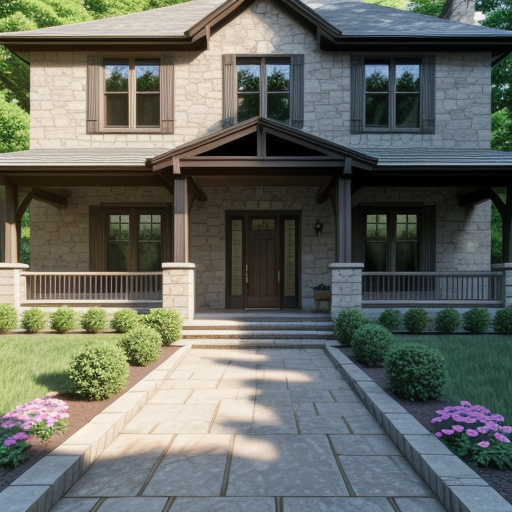
Purchasing a home is a significant investment, and evaluating its potential resale value is a crucial aspect of the buying process. This comprehensive guide will provide insights into the factors affecting a property's resale potential, helping you make an informed decision.
Location, Location, Location
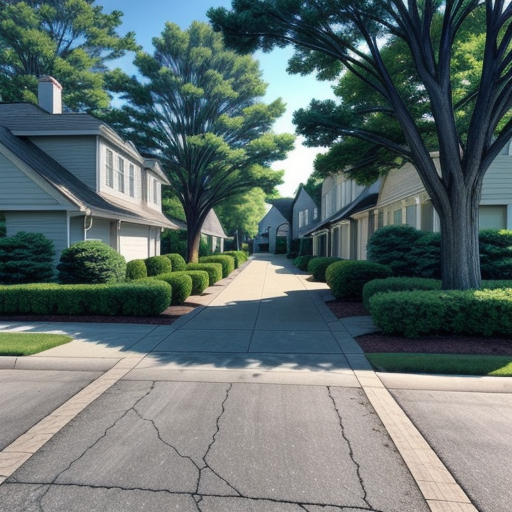
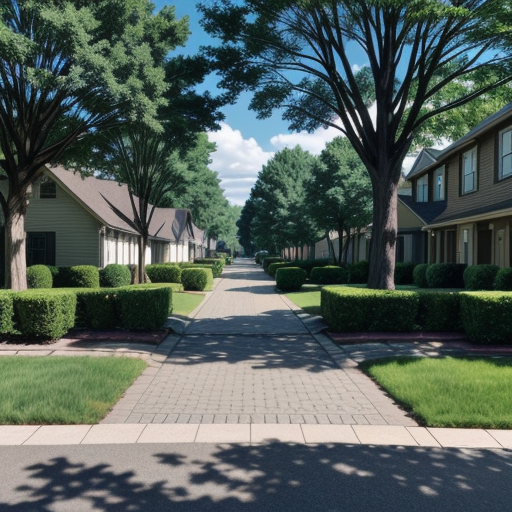
When it comes to real estate, location is paramount. Consider the neighborhood's current reputation and future growth potential. Proximity to schools, public transportation, shopping centers, and other amenities can significantly enhance a property's desirability and, consequently, its resale value. Research local development plans or zoning changes that could affect the area positively or negatively.
Market Trends
Understanding current and historical real estate market trends in the area can provide a glimpse into future property values. Analyze data on average sales prices, the number of days homes stay on the market, and the inventory of homes in the area. This information can help forecast whether the neighborhood is likely to appreciate or depreciate over time.
Condition and Age of the Home
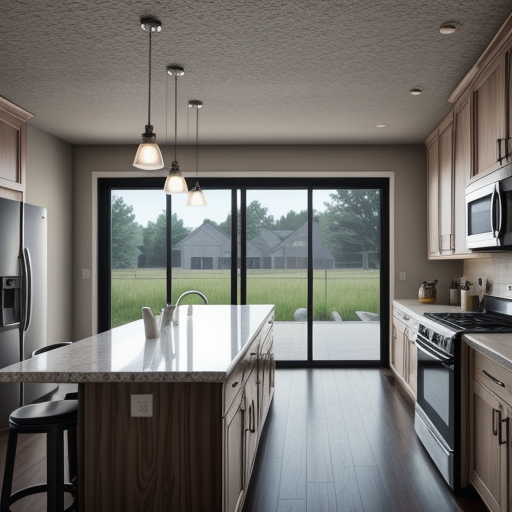
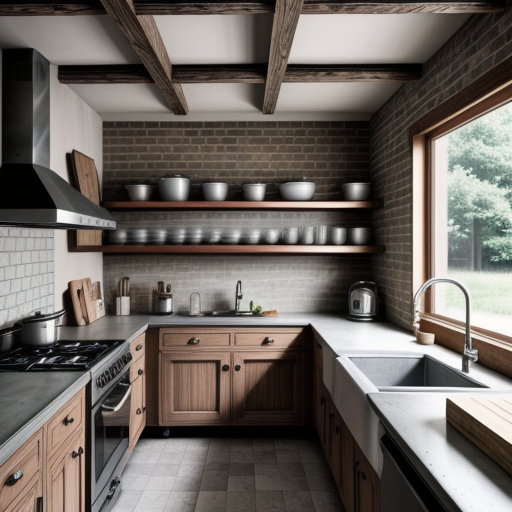
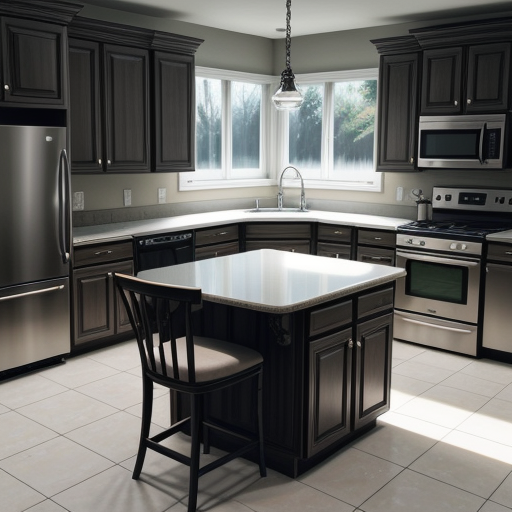
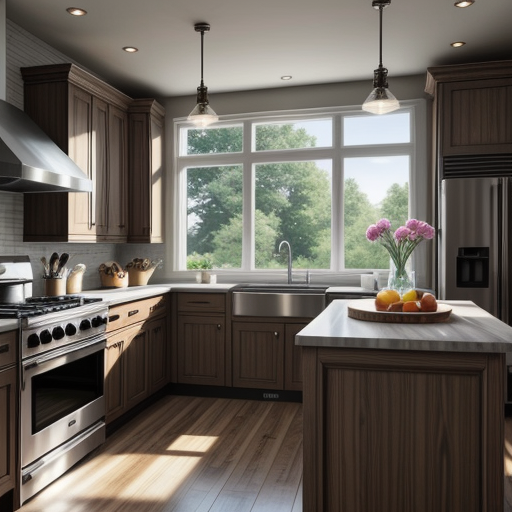
The physical condition and age of a home play a critical role in its resale value. Well-maintained properties often sell for higher prices than those requiring extensive repairs or renovations. Inspections can help identify potential issues, and updating key areas like kitchens and bathrooms can improve resale value. Furthermore, energy-efficient features and modern systems appeal to many buyers and contribute to a property's allure.
Unique Features and Upgrades
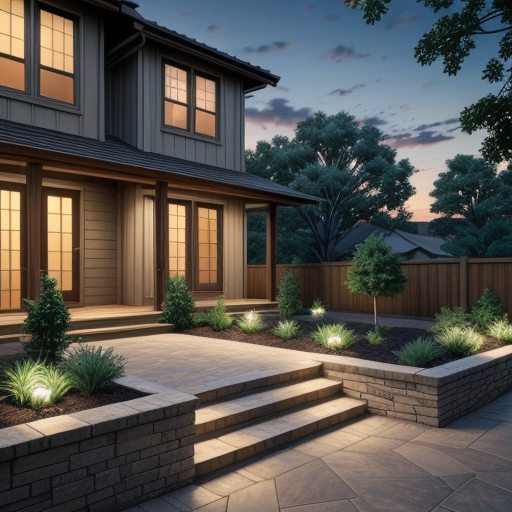
Homes with unique characteristics or significant upgrades often fetch higher resale values. Features like an open floor plan, a spacious backyard, or a well-designed home office can set a property apart from others on the market. However, it is vital to balance personal preferences with broad appeal when making modifications, as overly customized renovations may deter prospective buyers.
Economic Factors
Broader economic indicators also affect home values. Interest rates, employment rates, and regional economic growth can impact buyer confidence and housing demand. Stay informed about economic forecasts and market conditions to gauge potential shifts in resale value.
Consult Real Estate Professionals
Engage with experienced real estate agents or appraisers for expert advice on assessing a home's resale potential. They can provide trustworthy insights and local market knowledge, guiding you in making a sound investment.
In conclusion, evaluating a home's resale value requires a multifaceted approach. By considering location, market trends, home condition, unique features, economic indicators, and professional advice, you can better predict a property's future worth. Making an informed decision today can pay dividends when you decide to sell in the future.