Flipping houses has become an increasingly popular venture for real estate investors and homebuyers alike. Successfully turning a distressed property into a profitable investment requires careful planning, strategic decision-making, and a keen understanding of the real estate market. In this guide, we will walk you through the essential steps to ensure your house flipping project is successful.
1. Research the Market
Before diving into house flipping, it's crucial to understand the local real estate market. Analyze recent sales trends, neighborhood demand, and property values. Look for areas experiencing growth or revitalization where renovating a home could yield a significant return on investment. Make use of real estate platforms to gather data and insights on local listings and sales.
2. Set a Realistic Budget
Creating a comprehensive budget is essential for a successful house flip. This should include not just the purchase price of the property, but also renovation costs, permits, inspection fees, and other expenses that may arise. Allocate a contingency fund for unexpected repairs or price fluctuations. Stick to your budget as much as possible to maximize your profit margin.
3. Choose the Right Property
Selecting the right property is key to a successful flip. Look for homes that are structurally sound but may need cosmetic updates. Avoid properties needing major repairs such as foundation issues or outdated mechanical systems, as these can be costly and time-consuming. A thorough property inspection can help identify potential problems before you make a purchase.
4. Design with Purpose
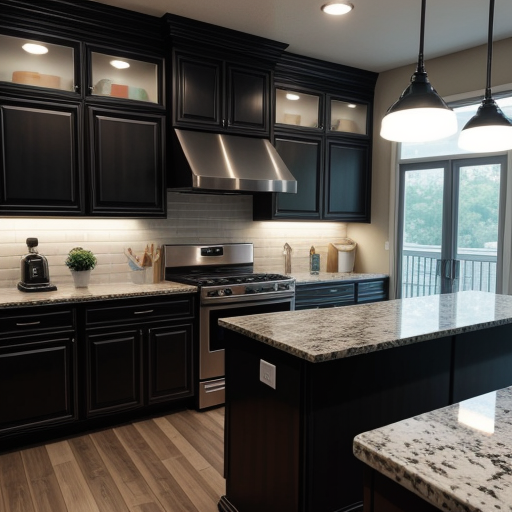
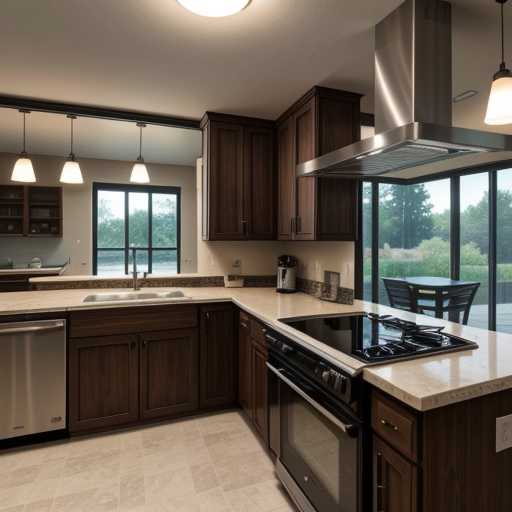
When planning renovations, keep in mind what potential buyers find appealing. Focus on modernizing spaces, enhancing curb appeal, and creating open floor plans. This could involve updating kitchens and bathrooms, adding fresh paint, and landscaping the exterior. Ensure that your renovations are aligned with current market trends, yet tailored to the preferences of the local buyers.
5. Hire the Right Professionals
Unless you have extensive construction experience, hiring professionals can save you time and help ensure quality work. Identify reliable contractors, real estate agents, and inspectors who can provide guidance throughout the process. Don't hesitate to ask for references or view previous projects to verify their expertise.
6. Market Your Property Effectively
Once renovations are complete, marketing your property is crucial for a quick sale. Create high-quality listings with professional photos, detailed descriptions, and an enticing narrative that highlights the home's features and improvements. Utilize social media platforms and real estate websites to reach a wider audience. Consider hosting open houses to attract potential buyers.
7. Be Patient and Flexible
Finally, patience and flexibility can greatly influence your success. The real estate market can be unpredictable, and properties don't always sell as quickly as expected. Be prepared to adjust your strategies or pricing to align with buyer feedback and market conditions. Staying informed about changes in the market will help you remain competitive.
By following these steps, you can enhance your chances of flipping a house successfully. While the process can be challenging, the potential for profit and satisfaction in revitalizing a home makes it a rewarding real estate investment endeavor.