In recent years, the concept of Passive House standards has gained significant traction in the construction and real estate industries. This innovative approach focuses on energy efficiency and the minimization of a building's ecological footprint, making it a highly attractive option for environmentally conscious homebuyers. Understanding Passive House standards is crucial for anyone looking to enter the real estate market, especially those who prioritize sustainability.
At its core, Passive House is a rigorous standard for energy efficiency in a building that reduces its ecological impact. The foundation of this concept revolves around creating a comfortable indoor environment without relying heavily on conventional heating or cooling systems. Rather, it employs a series of energy-efficient practices and design principles that together maintain optimum thermal comfort.
One of the most significant aspects of Passive House design is its focus on insulation. Buildings adhering to these standards typically feature high-performance insulation materials that minimize heat loss in winter and heat gain in summer. The result is reduced energy consumption for heating and cooling while still ensuring a comfortable living space.
In addition to insulation, Passive House standards also emphasize airtightness. This means that the building envelope is meticulously sealed to prevent air leaks, which can lead to significant energy loss. Regular air exchange is facilitated through controlled ventilation systems, which ensure fresh air circulation while simultaneously recovering heat from outgoing air.
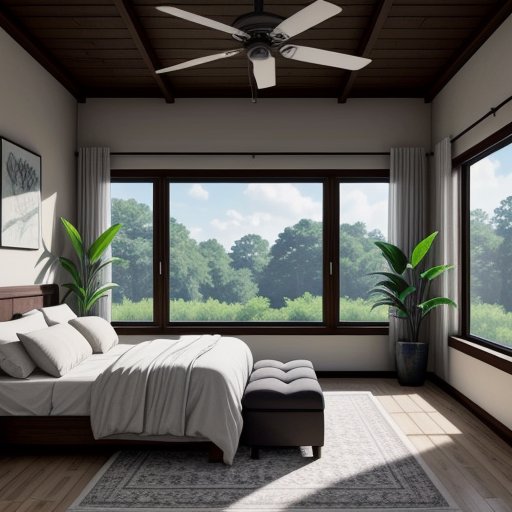
Another critical element is the orientation and design of windows. Passive Houses often make use of triple-glazed windows that are strategically placed to maximize natural sunlight while minimizing heat loss. This passive solar design allows homes to harness the natural environment, optimizing both light and heat without unnecessary energy use.
For prospective homebuyers, understanding these standards is essential, especially if you want to invest in a property that offers long-term savings on energy bills and decreased environmental impact. While some might perceive the initial investment in a Passive House as steep, the long-term financial benefits often outweigh these costs.
In conclusion, being well-versed in Passive House standards equips homebuyers with the knowledge needed to make informed decisions in the real estate market. Embracing these principles not only paves the way for a sustainable future but also enhances property value in an increasingly eco-conscious world. As more builders and developers prioritize energy-efficient practices, the demand for Passive House-compliant properties is likely to rise, making these homes an excellent investment for the future.