Purchasing a home is both an exciting venture and a significant investment. However, it comes with the inevitable responsibility of maintaining your property through regular repairs. Understanding how to handle common home repairs not only keeps your home in excellent condition but also enhances its market value.
Firstly, let's talk about small plumbing issues, such as leaky faucets or running toilets. These might seem insignificant at first, but ignoring them can lead to larger water wastage issues and higher water bills. Usually, fixing a leaky faucet involves replacing a washer, while a constantly running toilet might need a new flapper or fill valve. A basic set of plumbing tools can make these DIY repairs straightforward.
Secondly, every homeowner should be adept at electrical system upkeep. Regularly checking for frayed wires and ensuring all the outlets are functioning correctly is essential. While many minor issues like changing a blown fuse or replacing a light switch can be handled personally, remember that safety is paramount. If you're ever uncertain or uncomfortable, it's best to call a licensed electrician.
Roof maintenance is another key aspect. Keep an eye out for missing or damaged shingles, as these can lead to leaks and water damage. Address any minor roof repairs before they develop into major issues. Regular inspections, especially after severe weather, can prevent costly future repairs.
Heating, ventilation, and air conditioning (HVAC) systems require regular attention as well. Change filters every few months and schedule annual check-ups with a professional to keep your system running efficiently. This proactive approach extends the lifespan of the equipment and maintains energy efficiency.
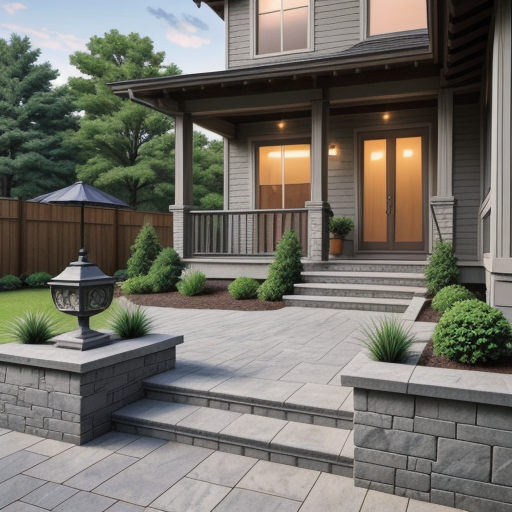
Lastly, do not overlook the importance of maintaining the exterior and foundation of your home. Paint acts as a protective layer against the elements, so address any peeling or chipping issues promptly. Similarly, inspect the foundation for any cracks or signs of settling, as these could indicate more serious structural problems.
In conclusion, consistent upkeep and learning to handle common repairs effectively ensures your home remains a well-maintained, valuable asset. By taking proactive steps in home maintenance, you not only enhance your living environment but also protect your investment.