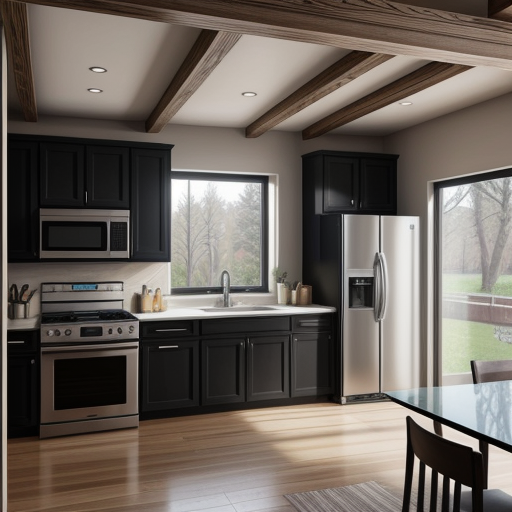
Purchasing a home is one of the most significant investments you will make in your lifetime. A critical step in this process is the home appraisal. Understanding what a home appraisal entails can help make your home buying journey smoother and more transparent.
A home appraisal is an unbiased, professional assessment of a property's value. Conducted by a licensed appraiser, this evaluation ensures that the lender is not over-lending on a property. It reflects the property's worth based on factors such as location, condition, and market trends.
The appraisal process typically begins once an offer on a property is accepted. The mortgage lender schedules the appraisal to determine if the agreed-upon purchase price aligns with the property's actual market value. It acts as a safeguard for the lender and the buyer, ensuring that the investment is sound.
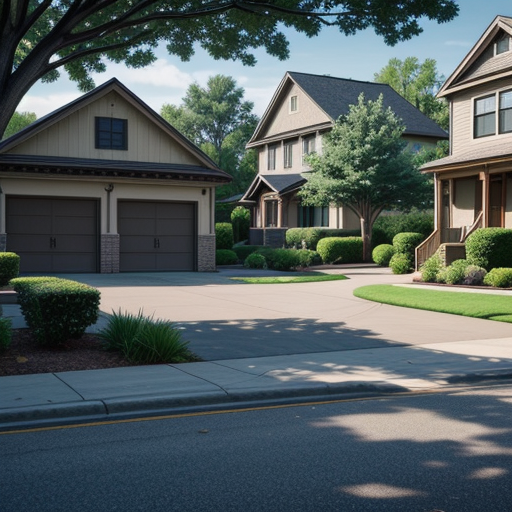
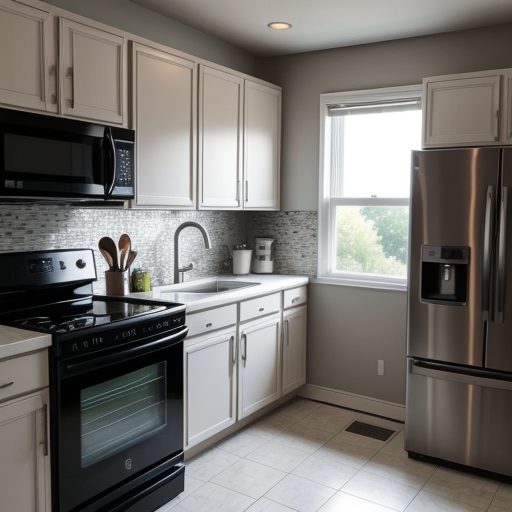
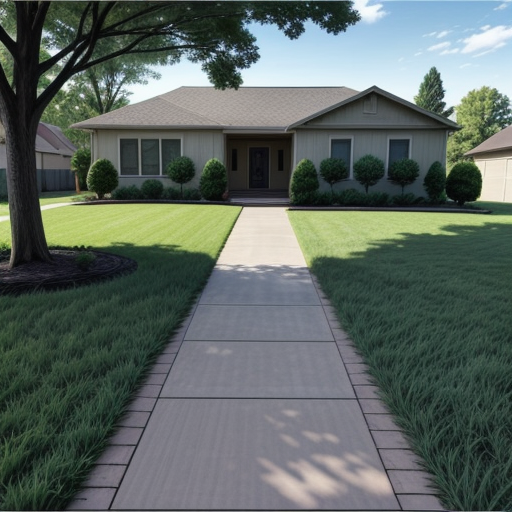
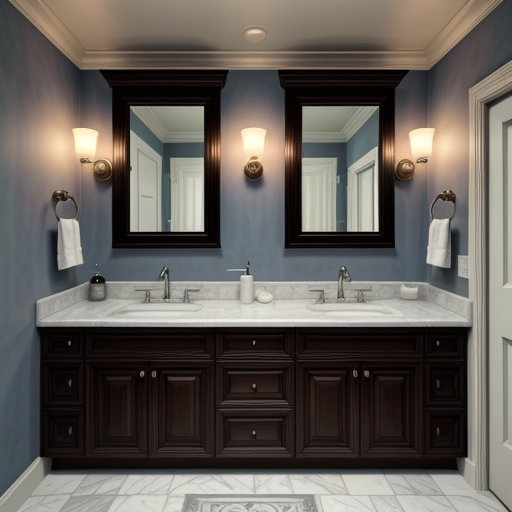
During the appraisal, the appraiser examines various aspects of the property. This includes the size and condition of the home, any upgrades or renovations, and the overall appeal of the property. The appraiser also considers comparable homes in the vicinity, recently sold properties, and current market conditions.
The outcome of the appraisal can impact the sale transaction. If the appraisal comes in at or above the agreed-upon price, the process continues smoothly. However, if it falls below, negotiations might be necessary. Buyers may need to renegotiate the purchase price or cover the difference out-of-pocket for the loan to proceed.
While you, as a buyer, don’t have direct control over the appraisal, you can influence it by choosing a knowledgeable real estate agent who understands the local market. Additionally, ensuring that the property is in tip-top shape before the appraisal can be beneficial.
In conclusion, the home appraisal process is a crucial part of buying a home. It provides a sense of security that your investment is in line with market value and ensures all parties involved are making informed decisions.