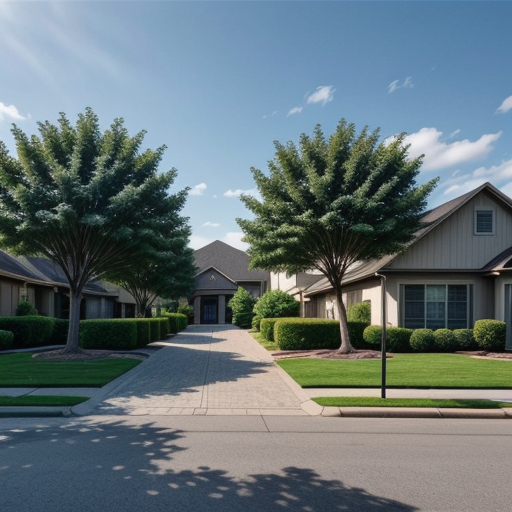
In today's environmentally conscious world, developing a sustainable property management plan is not just socially responsible but also economically advantageous. Here’s how you can create an eco-friendly strategy that benefits both the environment and your investment.
1. Comprehensive Energy Audit Start by conducting a thorough energy audit of your property. This process helps identify areas where energy efficiency can be improved. Consider retrofitting older equipment with energy-saving alternatives. Implementing LED lighting, energy-efficient appliances, and smart thermostats can significantly reduce energy consumption and lower utility bills.
2. Water Conservation Strategies Water conservation is another critical component of a sustainable property management plan. Installing low-flow fixtures, such as faucets and toilets, can significantly reduce water usage. Additionally, consider adopting a water recycling system or rainwater harvesting to further minimize your property's water footprint.
3. Waste Reduction and Recycling Implement a robust waste management and recycling program. Encourage tenants and property users to participate actively by providing convenient recycling options and clearly labeled bins. Additionally, explore partnerships with local recycling companies to streamline the process.
4. Utilize Sustainable Materials When undertaking renovations or new projects, choose sustainable materials that reduce environmental impact. Reclaimed wood, recycled metals, and other eco-friendly materials can not only enhance the aesthetic appeal of your property but also contribute to sustainability.
5. Green Landscaping Practices Incorporate native plants in landscaping to reduce the need for excessive watering and chemicals. Xeriscaping, which focuses on drought-resistant plants, is also an excellent approach to creating a sustainable outdoor space.
6. Encourage Sustainable Living Among Tenants Educate and engage with tenants to promote sustainable habits. Provide resources, workshops, or newsletters on sustainability topics, such as energy-saving tips or recycling best practices. A community-oriented approach will foster a culture of environmental responsibility.
7. Harness Renewable Energy Consider installing solar panels or other forms of renewable energy solutions on your property. Not only does this cut down on electricity costs in the long run, but it also increases property value and demonstrates a commitment to sustainability.
8. Monitor and Measure Progress Finally, regularly monitor and assess the effectiveness of your sustainability initiatives. Use metrics and reporting tools to evaluate energy savings, water usage reductions, and waste management improvements. This data not only demonstrates progress but also highlights areas needing further attention.
Crafting a sustainable property management plan is an ongoing process, but one that can yield significant benefits. By implementing these practices, you can ensure your property not only minimizes its environmental impact but also remains attractive to eco-conscious tenants and investors.