When purchasing a home, it’s crucial to consider not just its current appeal, but also its future resale value. Understanding this aspect can make a significant difference in your long-term financial planning. Here are several key factors to help you evaluate a home's potential resale value.
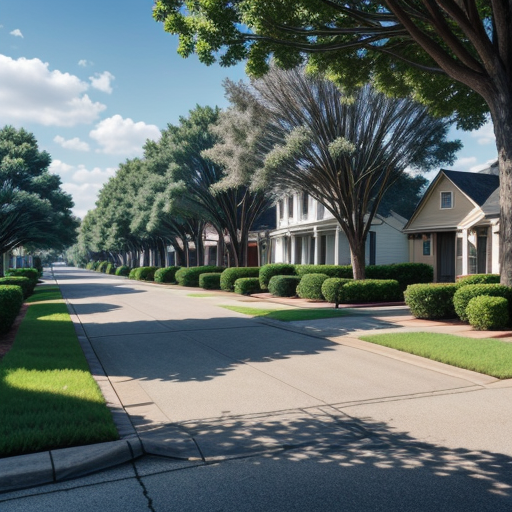
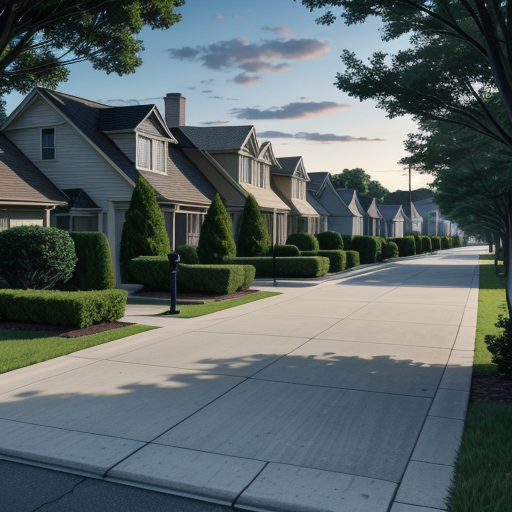
1. Location and Neighborhood: One of the primary drivers of a home’s value is its location. A neighborhood with good schools, low crime rates, and proximity to amenities such as parks, shops, and public transport tends to retain or increase in value over time. Additionally, consider future developments in the area that could enhance or detract from the location's appeal.
2. Market Trends: Analyzing current real estate market trends can provide insights into future pricing. Understanding whether the area is experiencing a buyer's or seller's market, and the historical price trends can help gauge potential property appreciation.
3. Comparable Properties: Reviewing the sale price of comparable properties (comps) in the area can offer a baseline for what buyers might be willing to pay in the future. Pay close attention to homes that have similarities in size, age, and features.
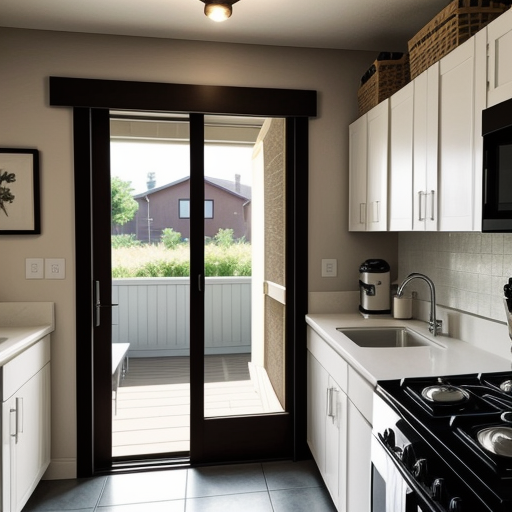
4. Property Condition and Age: The physical condition and age of the home significantly affect resale value. Homes that are well-maintained or newly constructed generally demand higher prices. Evaluating necessary upgrades or repairs can also help in understanding future expenses versus potential value increase.
5. Economic Factors: Broader economic conditions play a role in real estate values. Factors such as employment rates, interest rates, and overall economic growth can influence the housing market. Staying informed about the economic forecast is essential when considering long-term investment in a property.
6. Planned Community Developments: Stay informed about any upcoming infrastructure or development projects within the community, such as new schools, roads, or shopping centers. These can positively affect the area's desirability and, consequently, the property’s resale value.
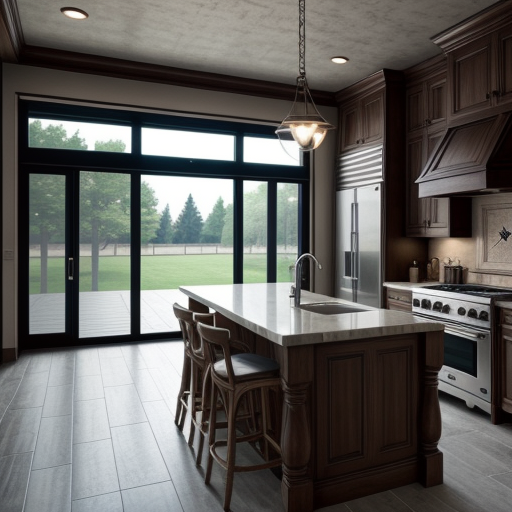
7. Unique Features and Amenities: Homes with unique features such as a desirable layout, energy-efficient upgrades, or modern amenities often have a competitive edge in the market. Features that align with current buyer preferences can enhance a property's future value.
In conclusion, assessing a home's resale value is an integral part of the buying process. By considering these factors, potential homeowners can make informed decisions that support their financial goals. Always consult with a local real estate expert for insights specific to your area, and stay updated on market conditions to optimize your investment.