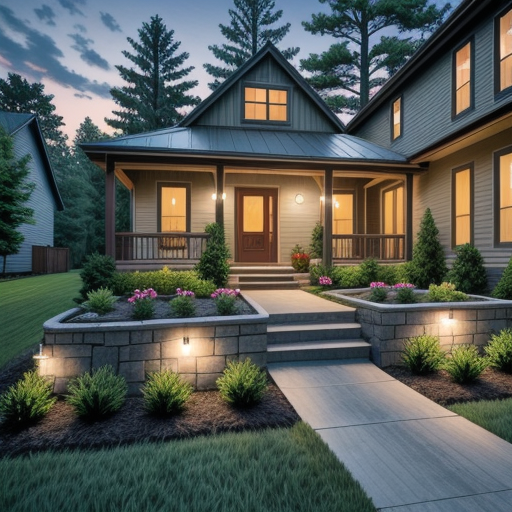
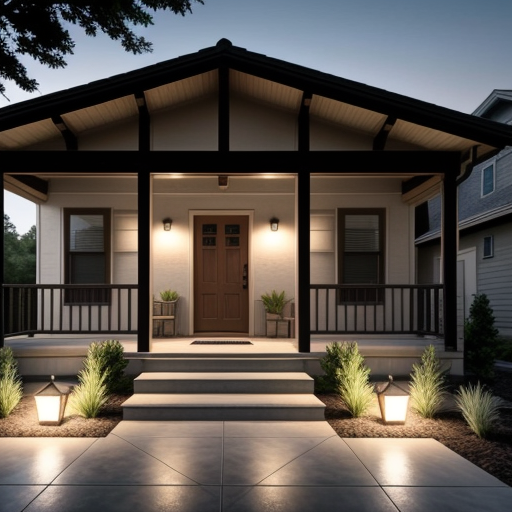
Creating a sustainable garden is not only beneficial for the environment but also enhances the aesthetic appeal and value of your property. Here are some essential steps to guide homebuyers in developing their own eco-friendly haven.
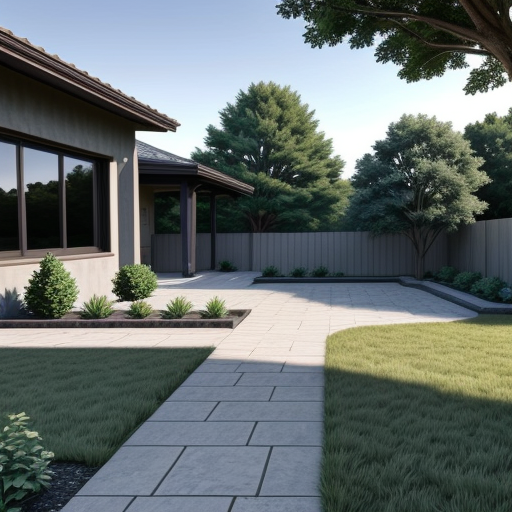
1. Assess Your Available Space Before starting, evaluate the space you have for gardening. Consider factors like sunlight, soil quality, and existing vegetation. Understanding your landscape will help you make informed decisions on what to plant and where.
2. Choose Native Plants Opt for native plants as they are well-adapted to local conditions and require less water and maintenance. They support local wildlife and reduce the need for fertilizers and pesticides, promoting a balanced ecosystem.
3. Implement Water-Saving Techniques Incorporate drip irrigation systems, rainwater harvesting, and drought-resistant plants to conserve water. Mulching also helps retain moisture in the soil, reducing the frequency of watering.
4. Composting Start composting to reduce waste and enrich your soil naturally. Compost provides essential nutrients to plants, encouraging healthy growth and reducing the need for chemical fertilizers.
5. Opt for Organic Practices Avoid synthetic chemicals by relying on organic fertilizers and pest control methods. Encourage biodiversity by attracting beneficial insects that help control pests naturally.
6. Incorporate Edible Plants Growing fruit, vegetables, and herbs not only contributes to sustainability but also offers fresh produce for your home. Choose varieties that suit your climate and soil conditions.
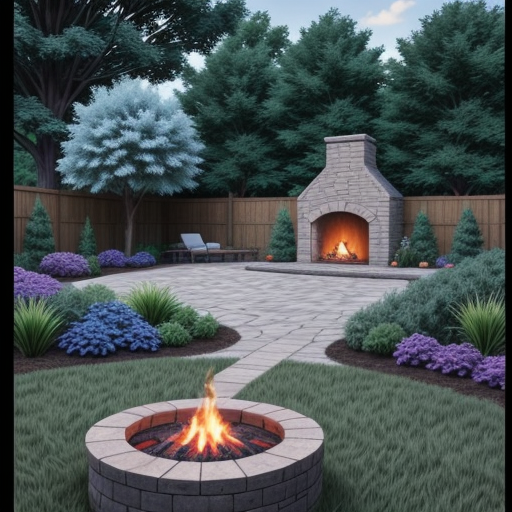
7. Plan for Biodiversity Design your garden to support various species. Include plants with different blooming times to provide habitats and food for birds, bees, and butterflies year-round.
Creating a sustainable garden is an ongoing process that involves commitment and adaptability. By following these steps, homeowners can contribute positively to the environment while enjoying the myriad benefits of a lush, eco-friendly garden.