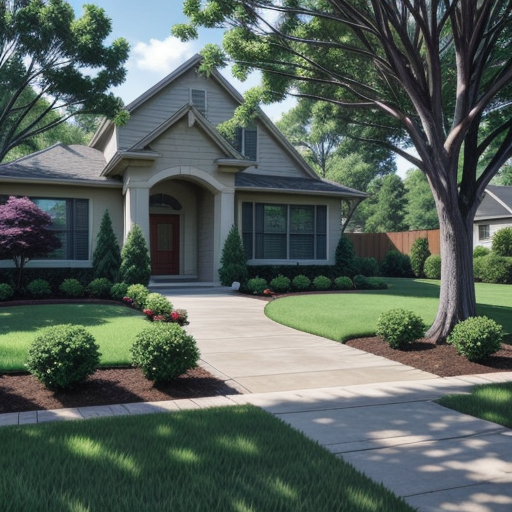
The realm of real estate is ever-evolving, with new housing developments frequently altering the landscape and economy of their surrounding areas. These new projects can have a significant impact on home values, weaving both opportunities and challenges for current and prospective homeowners.
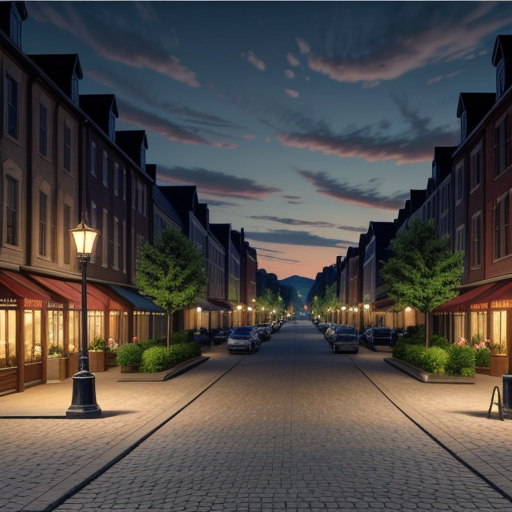
First and foremost, new developments can boost the desirability of a neighborhood. As developers introduce new housing, amenities such as parks, schools, and shopping centers often accompany the construction. This increase in convenience and community facilities can lead to an escalation in demand for nearby properties, ultimately driving up home values. Enhanced infrastructure often attracts a larger pool of potential buyers, while also contributing to a surge in investor interest.
Conversely, the increase in housing supply could initially temper price growth. With more homes available on the market, existing properties might face stiffer competition, potentially slowing price appreciation. However, this effect might be temporary. Over time, as the area becomes more developed and desirable, property values may rise again.
Moreover, new developments can redefine neighborhood status. As upscale communities or sustainable living arrangements gain prominence, the injection of modern and well-planned homes can reposition a neighborhood within a higher tier. This transformation can propel a once-overlooked area into a real estate hotspot.
Furthermore, new developments can bring diversity in housing options, catering to a wider audience, including first-time buyers, families, and retirees. This inclusivity can also affect market dynamics, as different demographics contribute to varying demands, altering home value trends accordingly.
However, potential buyers and existing homeowners should also be mindful of potential drawbacks. Temporary disruptions during construction, such as increased traffic or noise, can affect the appeal and pricing of nearby homes. Long-term concerns may also arise regarding whether the infrastructure can keep pace with the population influx.
In conclusion, new developments wield considerable influence in shaping home values, sometimes acting as a catalyst for growth while presenting initial challenges in supply and demand equilibrium. For real estate agents, understanding these dynamics is crucial, as is the ability to communicate them effectively to clients. Buyers and sellers alike can benefit by staying informed about upcoming projects and understanding their potential impact on the local market.